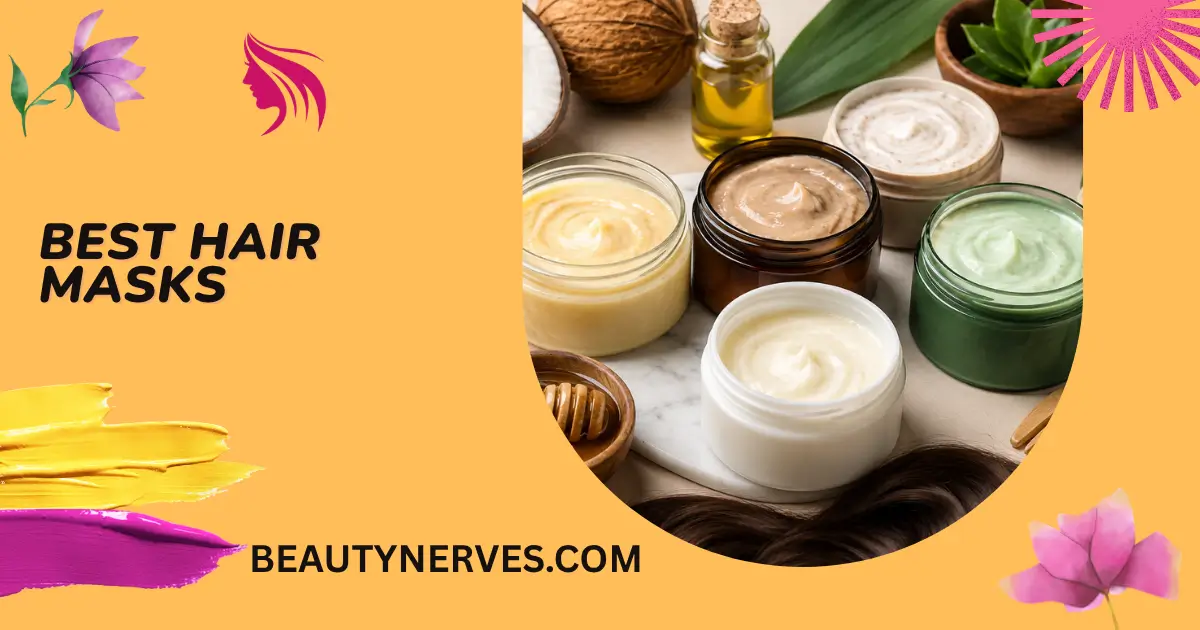
Healthy hair doesn’t happen by chance. Daily heat styling, coloring, sun exposure, pollution, and even frequent washing can leave your strands dry, weak, and dull. While a regular conditioner helps maintain your hair, it often isn’t enough to repair deeper damage.
That’s where hair masks make a real difference. Packed with concentrated moisturizing and strengthening ingredients, hair masks provide intensive care that goes beyond your everyday routine.
Whether your hair is dry, curly, fine, oily, color-treated, or damaged, the right mask can restore softness, improve manageability, and reduce breakage over time.
But choosing best hair masks isn’t always easy. Some formulas focus on hydration, while others rebuild damaged strands with protein. Certain masks work better for oily scalps, while richer treatments are ideal for thick or coarse hair.
In this guide, you’ll learn everything you need to know about hair masks. We’ll explain how they work, who should use them, how to choose the right one for your hair type, and the best ingredients to look for.
You’ll also discover simple DIY recipes, expert tips, and common mistakes to avoid so you can enjoy healthier, shinier hair.
Whether you’re starting your hair care journey or looking to upgrade your routine, this guide will help you find the perfect hair mask for your needs.
Disclosure: This post contains affiliate links. If you purchase through these links, we may earn a small commission at no extra cost to you.
Read more on Hair Care Products: Haircare Products Guide: Top Products
Table of Contents
TL;DR
If you’re short on time, here’s what you need to know:
- Hair masks provide deeper nourishment than regular conditioners.
- Choose your mask based on your hair type rather than following trends.
- Hydrating masks work best for dry hair.
- Protein masks help repair weak and chemically damaged hair.
- Lightweight masks are ideal for fine or oily hair.
- Rich, moisturizing masks suit thick, curly, and coarse hair.
- Use a hair mask once or twice a week for the best results.
- Consistency matters more than using expensive products.
Hair Mask Comparison by Hair Concern
| Hair Concern | Best Type of Hair Mask | Key Ingredients | Recommended Frequency |
|---|---|---|---|
| Dry Hair | Hydrating | Shea Butter, Argan Oil, Hyaluronic Acid | 2 times weekly |
| Damaged Hair | Repairing | Keratin, Ceramides, Amino Acids | 1-2 times weekly |
| Bleached Hair | Bond Repair | Proteins, Ceramides, Plant Oils | Weekly |
| Fine Hair | Lightweight Moisture | Aloe Vera, Rice Protein | Weekly |
| Curly Hair | Moisturizing | Coconut Oil, Shea Butter | Weekly |
| Oily Hair | Lightweight Clay or Gel Mask | Tea Tree, Aloe Vera | Every 10 days |
Want more on hair care? Explore Hair Care Guide for Soft, Smooth, Healthy Hair
Expert Opinion
A hair mask isn’t just another conditioner. Think of it as a weekly treatment that restores what your hair loses from heat styling, coloring, UV exposure, and daily wear.
Many people assume dry hair always needs more oil. In reality, some damaged hair actually needs protein instead of extra moisture. Understanding your hair’s needs is the key to getting visible results.
If your hair feels rough, tangled, and brittle, focus on hydration. If it stretches easily before breaking, a protein-rich treatment may help strengthen it. Finding the right balance between moisture and protein is one of the biggest secrets to healthier hair.
What Is a Hair Mask?
A hair mask is a deep conditioning treatment designed to repair, nourish, and strengthen hair. Unlike regular conditioners that work mainly on the surface, hair masks contain higher concentrations of beneficial ingredients that penetrate deeper into the hair shaft.
Most hair masks contain ingredients such as:
- Natural oils
- Plant butters
- Proteins
- Ceramides
- Vitamins
- Amino acids
- Botanical extracts
These ingredients work together to restore moisture, smooth the cuticle, reduce frizz, and improve hair elasticity.
Hair masks come in different formulas to suit different hair concerns. Some prioritize hydration, while others focus on strengthening damaged hair or protecting color-treated strands.
Choosing the right formula makes a noticeable difference in your results.
Why Are Hair Masks Important?
Hair experiences stress every day. Washing, brushing, heat styling, coloring, and environmental exposure gradually weaken the hair cuticle.
Without proper care, hair can become:
- Dry
- Frizzy
- Brittle
- Dull
- Difficult to manage
- More likely to break
A quality hair mask helps reverse many of these problems by replenishing lost moisture and reinforcing the hair’s natural protective barrier.
Unlike quick conditioners, hair masks remain on the hair longer, giving nourishing ingredients enough time to work effectively.
Top Benefits of Using Hair Masks
Deep Hydration
Hydration is one of the biggest benefits of a hair mask. Moisturized hair feels softer, smoother, and looks naturally shinier.
Ingredients like glycerin, aloe vera, shea butter, and argan oil help lock moisture inside the hair shaft.
Repairs Damage
Hair masks help repair damage caused by:
- Hair coloring
- Bleaching
- Heat styling
- UV rays
- Chemical treatments
Repair-focused masks often contain keratin, amino acids, ceramides, and proteins that temporarily reinforce weakened hair fibers.
Reduces Frizz
Frizz usually appears when hair lacks moisture or has a rough cuticle.
Hair masks smooth the outer layer of the hair, helping reduce flyaways and making styling easier.
Improves Shine
Healthy hair naturally reflects light better.
Regular use of nourishing hair masks helps restore the smooth surface needed for shinier-looking hair.
Prevents Breakage
Dry, brittle hair snaps easily during brushing or styling.
Moisturizing and strengthening ingredients improve elasticity, helping reduce future breakage.
Makes Hair Easier to Manage
Soft, hydrated hair tangles less and requires less force while brushing.
This means less mechanical damage over time.
Who Should Use a Hair Mask?
Almost everyone can benefit from using a hair mask.
They’re especially useful if you have:
- Dry hair
- Damaged hair
- Bleached hair
- Color-treated hair
- Curly hair
- Thick hair
- Fine hair
- Oily hair with dry ends
- Heat-damaged hair
- Frizzy hair
Even healthy hair benefits from occasional deep conditioning to maintain strength and shine.
How to Choose the Best Hair Mask for Your Hair Type
Choosing the best hair mask starts with understanding your hair’s needs. A product that works wonders for curly, dry hair may leave fine hair looking flat or make an oily scalp feel greasy. Instead of following trends, focus on your hair type, texture, and concerns.
The right hair mask can improve hydration, strengthen weak strands, reduce frizz, and restore shine. Using the wrong formula, however, may lead to product buildup or protein overload.
Consider Your Hair Texture
Your hair texture determines how much moisture and nourishment it needs.
- Fine hair benefits from lightweight, volumizing masks that won’t weigh it down.
- Medium hair works well with balanced moisturizing formulas.
- Thick or coarse hair needs rich creams packed with nourishing oils and butters.
Identify Your Hair Concern
Choose a hair mask based on the problem you want to solve.
| Hair Concern | Best Ingredients |
|---|---|
| Dryness | Shea butter, argan oil, glycerin, aloe vera |
| Damage | Keratin, ceramides, amino acids |
| Frizz | Coconut oil, avocado oil, jojoba oil |
| Breakage | Hydrolyzed proteins, biotin |
| Dullness | Vitamin E, botanical oils |
| Color-treated hair | Bond-building ingredients, ceramides |
Balance Moisture and Protein
Healthy hair needs both moisture and protein.
- Moisturizing masks restore softness and hydration.
- Protein masks strengthen weakened strands and reduce breakage.
If your hair feels rough and brittle, start with hydration. If it feels stretchy or breaks easily, add a protein treatment to your routine.
Read the Ingredients
Look for nourishing ingredients like:
- Shea Butter
- Argan Oil
- Coconut Oil
- Aloe Vera
- Ceramides
- Panthenol
- Hydrolyzed Keratin
- Rice Protein
- Avocado Oil
Avoid formulas with high amounts of drying alcohols if your hair is already damaged or dehydrated.
Best Hair Mask for Dry Hair
Dry hair needs intensive hydration to restore softness, reduce frizz, and prevent breakage. A rich moisturizing mask replenishes lost moisture while improving shine and manageability.
What to Look For
Choose ingredients that deeply hydrate the hair shaft.
- Shea Butter
- Argan Oil
- Coconut Oil
- Avocado Oil
- Aloe Vera
- Glycerin
- Hyaluronic Acid
Why It Works
These ingredients lock moisture into the hair, smooth rough cuticles, and improve elasticity. With regular use, dry hair becomes softer, shinier, and much easier to style.
Pro Tip
Apply your mask to damp hair and leave it on for 15 to 20 minutes. Cover your hair with a shower cap for deeper penetration.
For product recommendations and buying advice, read our guide on Best Hair Mask for Dry Hair.
Best Hair Masks for Damaged Hair
Damaged hair needs more than moisture. It also needs strengthening ingredients that reinforce weakened strands and minimize breakage caused by heat styling, coloring, and chemical treatments.
Best Ingredients
Look for repairing ingredients such as:
- Hydrolyzed Keratin
- Ceramides
- Amino Acids
- Silk Protein
- Argan Oil
- Panthenol
Signs Your Hair Needs Repair
- Split ends
- Excessive breakage
- Rough texture
- Dull appearance
- Weak, stretchy hair when wet
Expert Advice
Alternate between a moisturizing mask and a protein treatment to maintain a healthy moisture-protein balance.
Discover our expert picks in Best Hair Masks for Damaged Hair.
Best Hair Mask for Oily Hair
Having an oily scalp doesn’t mean you should skip deep conditioning. The key is choosing lightweight formulas that hydrate the lengths without adding excess oil.
Ingredients to Look For
- Aloe Vera
- Green Tea
- Tea Tree Oil
- Kaolin Clay
- Peppermint
- Rice Water
Best Practices
- Apply only from the mid-lengths to the ends.
- Avoid the scalp unless the product specifically says it’s scalp-safe.
- Use once every week or two.
- Rinse thoroughly to prevent buildup.
Common Mistake
Heavy butter-based masks can leave oily hair looking greasy and flat.
Explore the top lightweight formulas in Best Hair Mask for Oily Hair.
Best Hair Masks for Fine Hair
Fine hair requires moisture without sacrificing volume. Lightweight masks nourish delicate strands while helping hair look fuller and healthier.
Ideal Ingredients
- Rice Protein
- Aloe Vera
- Bamboo Extract
- Hydrolyzed Silk
- Panthenol
- Lightweight botanical oils
Benefits
- Adds softness
- Improves shine
- Strengthens fragile strands
- Reduces static
- Maintains natural body
Application Tip
Use only a small amount and concentrate on the ends. Rinse well to avoid weighing your hair down.
Find the best lightweight treatments in Best Hair Masks for Fine Hair.
Best Hair Masks for Curly Hair
Curly hair naturally loses moisture more quickly than straight hair, making deep conditioning an essential part of any curl care routine.
Best Ingredients
- Shea Butter
- Coconut Oil
- Avocado Oil
- Jojoba Oil
- Honey
- Aloe Vera
- Castor Oil
Benefits
- Defines curls
- Controls frizz
- Improves elasticity
- Softens coarse strands
- Makes detangling easier
Expert Tip
Distribute the mask evenly using the praying hands method before gently detangling with a wide-tooth comb.
See our favorite products in Best Hair Masks for Curly Hair.
Best Hair Masks for Bleached Hair
Bleached hair is more porous and fragile because the bleaching process weakens the hair’s internal structure. A bond-repair mask helps restore strength while replacing lost moisture.
Key Ingredients
- Bond-building technology
- Hydrolyzed Keratin
- Ceramides
- Amino Acids
- Argan Oil
- Squalane
Benefits
- Repairs weakened strands
- Improves elasticity
- Reduces breakage
- Restores softness
- Adds healthy-looking shine
Professional Tip
Reduce heat styling while repairing bleached hair. Even the best hair mask performs better when additional damage is minimized.
Read our complete recommendations in Best Hair Masks for Bleached Hair.
Quick Hair Mask Selection Guide
| Hair Type | Best Choice |
|---|---|
| Dry Hair | Rich hydrating mask with shea butter and argan oil |
| Damaged Hair | Protein and ceramide repair mask |
| Oily Hair | Lightweight aloe vera or clay-based mask |
| Fine Hair | Lightweight protein and aloe formula |
| Curly Hair | Moisture-rich mask with nourishing oils |
| Bleached Hair | Bond-repair mask with proteins and ceramides |
Choosing the right hair mask is one of the easiest ways to improve your hair’s health. Match the ingredients to your hair type, use the mask consistently, and adjust your routine as your hair’s needs change. Over time, you’ll notice softer, stronger, smoother, and healthier-looking hair.
Best Hair Masks by Hair Concern
Sometimes your hair needs more than a treatment based on its type. It may need a solution for a specific concern like dehydration, protein loss, or severe damage. Choosing a hair mask that targets your biggest problem helps you see better and faster results.
Below are the most effective types of hair masks based on common hair concerns.
Best Hydrating Hair Mask
Hydrating hair masks are designed to replenish moisture, soften rough strands, and restore healthy-looking shine. They are ideal for hair that feels dry, frizzy, dull, or difficult to manage.
Unlike regular conditioners, hydrating masks contain concentrated moisturizing ingredients that penetrate deeper into the hair shaft.
Best Ingredients
Look for masks containing:
- Hyaluronic Acid
- Aloe Vera
- Glycerin
- Shea Butter
- Argan Oil
- Coconut Oil
- Squalane
These ingredients attract and lock in moisture while helping smooth the hair cuticle.
Who Should Use a Hydrating Hair Mask?
Hydrating masks are perfect for people with:
- Dry hair
- Frizzy hair
- Curly hair
- Heat-damaged hair
- Color-treated hair
- Mature hair
Even healthy hair can benefit from an occasional hydration boost, especially during winter or in dry climates.
How Often Should You Use One?
- Dry hair: Twice a week
- Normal hair: Once a week
- Fine hair: Every 10 to 14 days
Using a hydrating mask consistently helps improve softness, elasticity, and overall manageability.
For our top recommendations, check out Best Hydrating Hair Mask.
Best Deep Conditioning Hair Masks
Deep conditioning masks deliver intensive nourishment to hair that has become weak, rough, or overprocessed. These treatments work by coating and penetrating the hair shaft with moisturizing and strengthening ingredients.
If your hair feels brittle after coloring, bleaching, or frequent heat styling, a deep conditioning mask can help restore its softness and resilience.
Benefits of Deep Conditioning
Regular deep conditioning can:
- Reduce breakage
- Improve elasticity
- Smooth rough cuticles
- Restore softness
- Minimize frizz
- Enhance shine
Key Ingredients
The best deep conditioners often include:
- Shea Butter
- Ceramides
- Argan Oil
- Avocado Oil
- Panthenol
- Hydrolyzed Proteins
- Amino Acids
Expert Tip
After applying your deep conditioner, wrap your hair in a warm towel for 15 to 20 minutes. Gentle heat helps the ingredients absorb more effectively.
Learn more in our guide to the Best Deep Conditioning Hair Masks.
Best Protein Hair Masks
Protein hair masks help strengthen weakened hair by temporarily filling small gaps in the hair cuticle. They are especially beneficial for chemically treated or heavily damaged hair.
However, protein isn’t necessary for everyone. Hair that already has enough protein may become stiff if protein treatments are overused.
Signs Your Hair Needs Protein
Your hair may benefit from a protein mask if it:
- Breaks easily
- Feels stretchy when wet
- Lacks structure
- Has been bleached
- Has undergone chemical treatments
Best Protein Ingredients
Look for:
- Hydrolyzed Keratin
- Wheat Protein
- Rice Protein
- Silk Protein
- Collagen
- Amino Acids
Avoid Protein Overload
Using protein treatments too often can leave hair feeling hard or brittle. Alternate protein masks with moisturizing treatments to maintain a healthy balance.
Read our expert recommendations in Best Protein Hair Masks.
Drugstore Hair Masks That Deliver Great Results
You don’t have to spend a fortune to enjoy healthier hair. Many affordable drugstore hair masks contain high-quality ingredients that rival salon treatments.
Whether you’re dealing with dryness, frizz, or mild damage, there are plenty of budget-friendly options that provide excellent value.
What Makes a Good Drugstore Hair Mask?
Look for formulas that contain:
- Shea Butter
- Argan Oil
- Coconut Oil
- Aloe Vera
- Ceramides
- Panthenol
Avoid choosing a product based only on price. Always read the ingredient list and select a mask that matches your hair type.
Why Drugstore Masks Are Worth Trying
Many drugstore brands invest heavily in hair care research and offer products that are:
- Affordable
- Easy to find
- Suitable for weekly use
- Available for different hair concerns
With consistent use, a quality drugstore hair mask can improve hydration, reduce frizz, and make hair feel softer and healthier.
Discover our favorite budget-friendly picks in Best Drugstore Hair Masks.
Choosing Between Hydration, Protein, and Deep Conditioning
Many people wonder which type of hair mask they should use. The answer depends on what your hair needs most.
| Hair Concern | Best Hair Mask |
|---|---|
| Dry, rough hair | Hydrating Hair Mask |
| Weak, stretchy hair | Protein Hair Mask |
| Severely damaged hair | Deep Conditioning Hair Mask |
| Mild dryness | Moisturizing Hair Mask |
| Color-treated hair | Bond-repair or Deep Conditioning Mask |
| Fine hair | Lightweight Hydrating Mask |
If you’re unsure where to start, begin with a hydrating mask. Once your hair feels softer and healthier, evaluate whether it also needs occasional protein treatments to strengthen weakened strands. Alternating between hydration and repair often provides the best long-term results for most hair types.
DIY Hair Masks You Can Make at Home
Store-bought hair masks are convenient and effective, but you don’t always need a salon-quality product to give your hair some extra care. Many natural ingredients found in your kitchen can help moisturize, nourish, and strengthen your hair.
DIY hair masks are affordable, easy to prepare, and free from harsh chemicals. While they may not repair severe damage like bond-building treatments, they can improve softness, reduce frizz, and add shine when used regularly.
Before applying any homemade mask, do a patch test to check for allergies. Also, use fresh ingredients and discard any leftovers, as natural mixtures don’t contain preservatives.
Avocado Hair Mask
Avocados are packed with healthy fats, vitamins, and antioxidants that nourish dry, brittle hair. Their natural oils help smooth the hair cuticle while improving softness and shine.
Benefits of an Avocado Hair Mask
An avocado hair mask can:
- Deeply moisturize dry hair
- Reduce frizz
- Improve elasticity
- Add natural shine
- Make hair easier to detangle
Simple DIY Recipe
Ingredients
- 1 ripe avocado
- 1 tablespoon coconut oil
- 1 tablespoon honey
Directions
- Mash the avocado until smooth.
- Mix in the coconut oil and honey.
- Apply evenly to damp hair, focusing on the mid-lengths and ends.
- Leave it on for 20 to 30 minutes.
- Rinse thoroughly and shampoo as usual.
Best For
- Dry hair
- Curly hair
- Thick hair
- Frizzy hair
For more recipes and benefits, read our complete guide on Avocado Hair Masks.
Coconut Oil Hair Mask
Coconut oil is one of the most popular natural hair care ingredients because it penetrates the hair shaft better than many other oils. It helps reduce protein loss and keeps hair feeling soft and smooth.
Benefits of Coconut Oil
Regular use may help:
- Reduce breakage
- Control frizz
- Improve softness
- Protect hair from moisture loss
- Add healthy shine
Simple Coconut Oil Hair Mask
Ingredients
- 2 tablespoons virgin coconut oil
Directions
- Warm the coconut oil until it melts.
- Apply it from the mid-lengths to the ends of your hair.
- Leave it on for 30 to 60 minutes.
- Shampoo twice if needed to remove excess oil.
Best For
- Thick hair
- Dry hair
- Curly hair
- Damaged hair
People with fine or oily hair should use coconut oil sparingly, as it can weigh hair down.
Learn more about benefits, precautions, and recipes in our Coconut Oil Hair Mask Guide.
How to Make a Natural Hair Mask
One of the best things about natural hair masks is that you can customize them based on your hair’s needs. Whether you’re looking for extra moisture, strength, or shine, there’s a combination of ingredients that can help.
Moisturizing Hair Mask
Ingredients
- 2 tablespoons yogurt
- 1 tablespoon honey
- 1 tablespoon olive oil
This combination helps hydrate dry hair while improving softness.
Strengthening Hair Mask
Ingredients
- 1 egg
- 2 tablespoons plain yogurt
- 1 tablespoon olive oil
Eggs are rich in protein, making this recipe ideal for weak or damaged hair.
Soothing Hair Mask for Dry Scalps
Ingredients
- Aloe vera gel
- Honey
- Jojoba oil
This lightweight mixture helps calm dryness while adding moisture to the hair.
Tips for DIY Hair Masks
- Apply to clean, damp hair.
- Use a wide-tooth comb to distribute the mask evenly.
- Leave it on for 20 to 30 minutes.
- Rinse thoroughly with lukewarm water.
- Follow with a gentle shampoo if needed.
Natural masks work best when used consistently. While they won’t replace professional repair treatments for severely damaged hair, they are an excellent way to maintain healthy, hydrated hair between salon visits.
Discover more easy recipes in our guide on How to Make a Natural Hair Mask.
Store-Bought vs. DIY Hair Masks
Both homemade and commercial hair masks have their advantages. The right choice depends on your hair goals, budget, and the level of damage you’re trying to address.
| Feature | DIY Hair Masks | Store-Bought Hair Masks |
|---|---|---|
| Cost | Budget-friendly | Varies by brand |
| Ingredients | Fresh and natural | Professionally formulated |
| Convenience | Requires preparation | Ready to use |
| Shelf Life | Very short | Long-lasting |
| Best For | Light hydration and maintenance | Repair, hydration, strengthening, and targeted concerns |
| Results | Gradual | Often faster and more noticeable |
If your hair is severely damaged from bleaching, coloring, or heat styling, a professionally formulated hair mask is usually the better choice. For routine maintenance and added moisture, DIY hair masks are a simple and affordable addition to your hair care routine.
How to Use a Hair Mask for the Best Results
Using the best hair mask is only half the equation. How you apply it can make a big difference in the results you see. Even a high-quality mask won’t perform well if it’s used incorrectly or too often.
The good news is that applying a hair mask is simple. By following a few best practices, you can maximize hydration, reduce breakage, and keep your hair looking healthy.
Step 1: Wash Your Hair First
Start with freshly washed hair. Shampoo removes dirt, excess oil, and product buildup, allowing the mask to penetrate the hair shaft more effectively.
Avoid using a heavy conditioner before applying a hair mask unless the product instructions recommend it.
Step 2: Remove Excess Water
Hair should be damp, not dripping wet.
After shampooing, gently squeeze out excess water with your hands or pat your hair dry with a microfiber towel. Too much water can dilute the mask and reduce its effectiveness.
Step 3: Apply the Mask Correctly
Divide your hair into sections to ensure even coverage.
Focus on:
- Mid-lengths
- Ends
- Areas that feel dry or damaged
Unless the product specifically says it’s safe for the scalp, avoid applying rich masks directly to your roots, especially if you have fine or oily hair.
Step 4: Comb Through Your Hair
Use a wide-tooth comb to distribute the mask evenly.
This helps coat every strand while reducing tangles and ensuring the product reaches damaged areas.
Step 5: Leave It On Long Enough
Most hair masks work best when left on for 10 to 20 minutes.
Some intensive treatments recommend up to 30 minutes, while overnight masks should only be used if the manufacturer specifically recommends them.
Leaving a mask on longer than instructed doesn’t always produce better results.
Step 6: Rinse Thoroughly
Use lukewarm water to rinse out the mask completely.
If residue remains, your hair may feel heavy or greasy. Take your time to rinse thoroughly, especially if you’re using a rich moisturizing treatment.
Step 7: Style as Usual
Once your hair is clean and conditioned, gently towel dry and style as normal.
If you use heat tools, apply a heat protectant to help prevent future damage.
How Often Should You Use a Hair Mask?
The ideal frequency depends on your hair type and condition.
| Hair Type | Recommended Frequency |
|---|---|
| Dry Hair | 2 times per week |
| Damaged Hair | 1 to 2 times per week |
| Bleached Hair | 2 times per week |
| Curly Hair | Once or twice per week |
| Fine Hair | Once a week |
| Oily Hair | Every 7 to 10 days |
| Normal Hair | Once a week |
If your hair feels heavy or greasy after using a mask, reduce the frequency or switch to a lighter formula.
How to Use Fino Hair Mask
The Fino Premium Touch Hair Mask has become a favorite among beauty enthusiasts because of its rich formula and ability to leave hair feeling silky smooth. To get the best results, it’s important to use it correctly.
Step-by-Step Guide
- Shampoo your hair thoroughly.
- Gently squeeze out excess water.
- Apply a generous amount of the mask from the mid-lengths to the ends.
- Work the product evenly through your hair using your fingers or a wide-tooth comb.
- Leave it on for 5 to 10 minutes.
- Rinse thoroughly with lukewarm water.
- Style your hair as usual.
How Often Should You Use Fino Hair Mask?
- Dry or damaged hair: One to two times per week
- Normal hair: Once a week
- Fine or oily hair: Every 10 to 14 days, using a smaller amount
Pro Tips
- Avoid applying the mask directly to the scalp unless needed.
- Pair it with a gentle shampoo to prevent product buildup.
- Use a microfiber towel instead of rubbing your hair with a regular towel to reduce friction and breakage.
- Limit heat styling after treatment to maintain softer, healthier hair.
For a detailed application guide, tips, and common mistakes to avoid, read How to Use Fino Hair Mask.
Common Hair Mask Mistakes to Avoid
Even the best hair mask won’t deliver great results if it’s used incorrectly. Here are some of the most common mistakes people make.
Using Too Much Product
More isn’t always better. Applying an excessive amount can weigh your hair down and make it difficult to rinse clean.
Choosing the Wrong Formula
A rich moisturizing mask may be perfect for thick, dry hair but too heavy for fine or oily hair. Always choose a product that matches your hair type and concerns.
Leaving the Mask on Too Long
Most masks have an optimal treatment time. Leaving them on for hours won’t necessarily improve the results and may even cause product buildup.
Skipping Regular Treatments
Hair masks work best with consistent use. Applying one every few months won’t provide lasting improvements.
Ignoring Protein-Moisture Balance
Using only protein treatments can make hair feel stiff, while relying solely on moisturizing masks may leave damaged hair lacking strength. Alternate between the two if your hair needs both hydration and repair.
Applying to Dirty Hair
Heavy buildup from styling products can prevent the mask from reaching the hair shaft. Clean hair allows the nourishing ingredients to work more effectively.
Expert Tips for Healthier Hair
A hair mask is only one part of a healthy hair care routine. These simple habits can help you maintain stronger, shinier hair every day.
- Trim split ends regularly to prevent further breakage.
- Use sulfate-free shampoos if your hair is color-treated or dry.
- Always apply a heat protectant before using styling tools.
- Avoid washing your hair with very hot water.
- Sleep on a silk or satin pillowcase to reduce friction.
- Eat a balanced diet rich in protein, healthy fats, vitamins, and minerals to support healthy hair growth.
- Protect your hair from excessive sun exposure by wearing a hat or using UV-protective hair products.
Healthy hair is the result of consistent care, not a single miracle product. When you combine the right hair mask with good daily habits, you’ll notice smoother, softer, and more manageable hair over time.
Frequently Asked Questions
What is the best hair mask for all hair types?
There isn’t a single hair mask that works for everyone. The best choice depends on your hair type and concerns. For example, dry hair benefits from deeply hydrating masks, while damaged hair often needs a combination of moisture and protein. Fine hair performs best with lightweight formulas that won’t reduce volume.
How often should I use a hair mask?
Most people benefit from using a hair mask once a week. If your hair is extremely dry, damaged, or bleached, you can increase usage to twice a week. Fine or oily hair usually needs a mask every seven to ten days to avoid product buildup.
Should I apply a hair mask before or after shampooing?
Most hair masks should be applied after shampooing on clean, damp hair. Shampoo removes dirt and excess oil, allowing the nourishing ingredients to penetrate the hair more effectively. Always check the manufacturer’s instructions, as some pre-shampoo treatments are designed differently.
Can I leave a hair mask on overnight?
Only leave a hair mask on overnight if the product specifically states that it is safe to do so. Most traditional hair masks are formulated to work within 10 to 30 minutes. Leaving them on longer doesn’t necessarily improve results and may lead to buildup.
What’s the difference between a hair mask and a conditioner?
Conditioners provide quick surface hydration and make hair easier to detangle after washing. Hair masks contain higher concentrations of nourishing ingredients and are designed to deeply moisturize, repair, and strengthen the hair over a longer treatment time.
Can I use a hair mask on oily hair?
Yes. Oily hair still needs moisture, especially on the mid-lengths and ends. Choose a lightweight formula and avoid applying it directly to the scalp unless it’s specifically formulated for scalp care.
Key Takeaways
Choosing the best hair mask doesn’t have to be complicated. Understanding your hair type and its specific needs is the first step toward healthier, stronger, and shinier hair.
Here are the most important points to remember:
- Choose a hair mask based on your hair type and primary concern.
- Hydrating masks are ideal for dry, frizzy, and curly hair.
- Protein masks help strengthen weak and chemically damaged hair.
- Deep conditioning masks restore softness and improve manageability.
- Fine hair benefits from lightweight, non-greasy formulas.
- Oily hair still needs hydration but should avoid heavy masks on the scalp.
- DIY hair masks are great for maintenance, while professional formulas are better for intensive repair.
- Consistency is more important than using expensive products.
- Always follow the recommended application time for the best results.
- Pair your hair mask with a healthy hair care routine for long-lasting improvements.
Final Verdict
Hair masks are one of the simplest and most effective ways to improve your hair’s health. Whether you’re dealing with dryness, breakage, frizz, or damage from coloring and heat styling, the right treatment can make a noticeable difference over time.
The key is to choose a mask that matches your hair’s unique needs rather than following popular trends. Moisturizing masks replenish hydration, protein treatments strengthen weakened strands, and deep conditioning formulas help repair everyday damage.
Using the right product consistently can lead to softer, shinier, and more manageable hair.
If you’re just starting your hair care journey, begin with a weekly hydrating hair mask. As you learn how your hair responds, you can introduce protein or repair treatments when needed.
Small, consistent steps often produce better results than constantly switching between products.
References:
American Academy of Dermatology (AAD)
How to Keep Your Hair Healthy
Johns Hopkins Medicine
Hair Loss: Causes and Treatment
National Center for Biotechnology Information (NCBI)
Hair Cosmetics: An Overview
American Hair Loss Association
Hair Care Information