
Dry, rough hair can turn a good morning into a frustrating one. You style it, smooth it, and add oil, yet the ends still feel like straw. That is where the best drugstore hair mask can change your routine.
A good mask gives thirsty strands more moisture, slip, softness, and shine without forcing you to pay salon prices. Some formulas focus on bond repair.
Others fight frizz, support curls, or strengthen brittle ends. I compared masks for different textures, budgets, and damage levels, so you can find one that fits your hair instead of buying another tub that gathers dust.
Disclosure: This post contains affiliate links. If you purchase through these links, I may earn a small commission at no extra cost to you.
| 📖 Read the Full Review |
| Best Hair Masks: How to Choose the Right One for Healthy, Strong, and Shiny Hair |


TL;DR
- Best Overall: Dove Hair Bond Strength 10-in-1 Serum Mask – Fast one-minute treatment that softens, strengthens, and detangles damaged hair.
- Best for Softness and Shine: amika Soulfood Nourishing Mask – Leaves dull hair silky, shiny, and easy to manage.
- Best for Thick and Coarse Hair: Olaplex Rich Hydration Mask – Protein-free formula that deeply moisturizes and controls frizz.
- Best for Hair Damage: L’Oréal Paris Elvive Total Repair 5 Damage-Erasing Balm – Affordable weekly treatment for rough, heat-damaged hair.
- Best for Dry, Brittle Hair: Redken All Soft Heavy Cream Mask – Deeply softens brittle strands and adds healthy-looking shine.
- Best for Overprocessed Hair: L’Oréal Professionnel Absolut Repair Hair Mask – Smooths, repairs, and improves the look of bleached or color-treated hair.
| 📖 Read the Full Review |
| Haircare Products Guide: Top Ones to Make Your Hair Beautiful |
How to Choose the Best Drugstore Hair Mask
The right mask should solve your main hair problem without creating another one. Start with your texture, damage level, and the result you want most.
Match the Mask to Your Main Hair Concern
Dryness, breakage, frizz, and chemical damage need different types of care. Choose one main goal before getting distracted by every claim on the jar.
Use a moisturizing hair mask if your strands feel rough, dry, or tangled. Look for bond repair ingredients, keratin, peptides, amino acids, or hydrolyzed protein if your hair is weakened or overprocessed.
Rich deep conditioners are often better for curly, coily, coarse, and high-porosity hair. They give the strands more slip and make detangling easier.
Consider Your Hair Thickness and Porosity
A mask that saves coarse curls may make fine hair look flat.
Your strand size and porosity should shape your final choice.
Fine or oily hair usually needs a lightweight hair mask applied away from the roots. Thick, curly, and coily hair can often handle richer formulas with shea butter, avocado oil, argan oil, jojoba oil, honey, or coconut oil.
High-porosity hair loses moisture quickly. It may respond well to protein hair masks and rich oils. Low-porosity hair may prefer lighter formulas and shorter treatment times.
Decide Between Protein and Moisture
Protein and moisture solve different hair problems.
Using too much of either one can make your hair difficult to manage. Weak, stretchy, or snapping hair may benefit from a strengthening hair treatment with keratin, peptides, amino acids, or hydrolyzed protein.
Hair that feels stiff, rough, dry, or straw-like usually needs more moisture. In that case, choose a protein-free mask with oils, humectants, fatty alcohols, and conditioning ingredients.
6 Best Drugstore Hair Masks for Every Hair Concern
These picks cover quick hydration, deep repair, curl care, frizz control, and budget-friendly conditioning. Some are true drugstore buys, while the premium picks are widely available at major beauty stores.
1. Dove Hair Bond Strength 10-in-1 Serum Mask, Best Overall
This is a smart pick for hair damaged by heat, color, bleach, or chemical treatments. It works in one minute, making it easy to use even on busy wash days.
Why It’s Worth It
This fast one-minute mask offers practical conditioning and protein-based care. It leaves chemically stressed lengths softer, smoother, easier to detangle, and less likely to snap while brushing or styling.
Pros
- Takes only one minute
- Affordable and widely available
- Helps improve softness and slip
- Good for chemically treated hair
- Makes damaged strands easier to detangle
Cons
- Contains fragrance
- May feel rich on very fine hair
- Protein-sensitive hair may not need it often
Key Ingredients
Peptides, coconut oil, glycerin, hydrolyzed soy protein, hydrolyzed pea protein, and hydrolyzed vegetable protein.
Who It’s For
It is best for bleached, colored, chemically treated, brittle, heat-damaged, or breakage-prone hair.
How to Use
Apply the mask to clean, damp hair. Focus on the mid-lengths and ends. Leave it on for one minute, then rinse thoroughly. Use once or twice weekly.
Dove Hair Intensive Repair 10in1 Serum Mask for Damaged Hair with Bio-Protein Care Technology and Amino Serum 9.2 fl oz
| 📖 Read the Full Review |
| Dove Hair Intensive Repair 10-in-1 Serum Mask Review → |
2. amika Soulfood Nourishing Mask, Best for Softness and Shine
Soulfood is the comfort-food choice for dull, rough, and tired-looking strands. It gives noticeable softness without the stiff feeling that some protein treatments cause.
Why It’s Worth It
Soulfood feels rich but spreads easily, making it useful for dull hair that needs softness without a heavy protein feel. It improves shine, manageability, detangling, and the appearance of rough ends.
Pros
- Gives hair a soft, silky finish
- Helps improve shine
- Spreads easily through wet hair
- Safe for color-treated hair
- Suitable for keratin-treated hair
- Can replace regular conditioner
Cons
- More expensive than drugstore masks
- Has a noticeable fragrance
- May be too rich for oily roots
Key Ingredients
Jojoba seed oil, sea buckthorn oil, panthenol, vitamin E, glycerin, and conditioning agents.
Who It’s For
It is best for dry, dull, tangled, moderately damaged, or hard-to-manage hair that needs softness and shine.
How to Use
Massage the mask through wet hair after shampooing. Focus on the mid-lengths and ends. Leave it on for five to seven minutes, then rinse. Use weekly.
amika soulfood nourishing mask
| 📖 Read the Full Review |
| amika Soulfood Nourishing Mask |
3. Olaplex Rich Hydration Mask, Best for Thick and Coarse Hair
This buttery mask is made for hair that absorbs conditioner almost immediately. It focuses on deep hydration, softness, and frizz control rather than lightweight volume.
Why It’s Worth It
This buttery, protein-free mask targets medium, thick, and coarse strands that lose moisture quickly. It adds slip, controls humidity-related frizz, and makes chemically treated hair feel softer and more flexible.
Pros
- Protein-free formula
- Deeply moisturizes coarse hair
- Helps reduce frizz
- Makes thick hair easier to detangle
- Suitable for bleached and chemically treated hair
- Leaves ends feeling smoother
Cons
- More expensive than drugstore options
- Can flatten fine hair
- May feel greasy if applied near oily roots
Key Ingredients
Avocado oil, shea butter, sunflower seed oil, safflower oil, coconut oil, glycerin, and rich conditioning ingredients.
Who It’s For
It is best for dry, thick, coarse, frizzy, bleached, chemically treated, or protein-sensitive hair.
How to Use
Apply the mask to clean, wet hair. Concentrate it on the mid-lengths and ends. Leave it on for three to five minutes, then rinse. Use once weekly instead of conditioner.
4. L’Oréal Paris Elvive Total Repair 5 Damage-Erasing Balm, Best for Hair Damage
This familiar drugstore tub works well for rough hair affected by everyday heat styling. It offers quick softness and easy detangling without a salon-level price.
Why It’s Worth It
This affordable balm is easy to find and works quickly on rough, weakened lengths. Its conditioning formula improves softness and slip, making damaged hair easier to detangle without creating a large beauty bill.
Pros
- Budget-friendly
- Widely available
- Takes only a few minutes
- Helps detangle damaged ends
- Gives hair a smoother appearance
- Suitable for regular weekly use
Cons
- Contains fragrance
- Contains silicones
- May weigh down very fine hair
- Results are mainly cosmetic and temporary
Key Ingredients
Protein-based care, ceramide-related technology, fatty alcohols, smoothing silicones, emollients, and conditioning agents.
Who It’s For
It is best for dry, rough, weak, heat-styled, colored, brittle, or moderately damaged hair.
How to Use
Apply the balm to shampooed, damp hair. Focus on the most damaged sections. Leave it on for three to five minutes, then rinse. Skip regular conditioner that day.
L'Oreal Paris Elvive Total Repair 5 Damage-Erasing Balm Mask, Rinse-Out Hair Treatment, 8.5 fl oz (Packaging May Vary)
| 📖 Read the Full Review |
| L’Oréal Paris Elvive Total Repair 5 Damage-Erasing Balm |
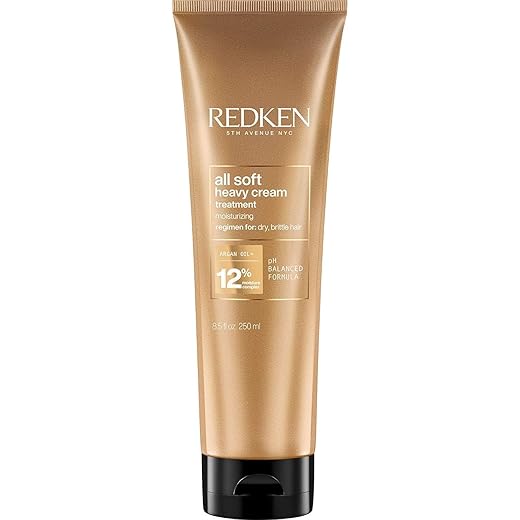
5. Redken All Soft Heavy Cream Mask, Best for Dry, Brittle Hair
This salon-style cream focuses on softness, moisture, and shine.
It helps rigid, dull, and difficult-to-brush hair feel smoother and more flexible.
Why It’s Worth It
All Soft Heavy Cream is a dependable moisturizing treatment for hair that feels rigid or dull. Its creamy formula delivers softness, shine, improved movement, and smoother ends without needing a long treatment.
Pros
- Strong softening effect
- Adds noticeable shine
- Requires only five minutes
- Makes brittle hair easier to comb
- Helps reduce roughness
- Suitable for regular deep conditioning
Cons
- Costs more than basic drugstore masks
- Contains fragrance
- Contains silicones
- May be too rich for fine or oily hair
Key Ingredients
Argan oil, Redken Moisture Complex, fatty alcohols, smoothing silicones, and conditioning agents.
Who It’s For
It is best for normal-to-medium strands that feel dry, brittle, dull, rough, or difficult to detangle.
How to Use
Apply the mask to towel-dried hair after shampooing. Focus on the lengths and ends. Leave it on for five minutes, then rinse thoroughly.
Redken All Soft Heavy Cream Mask Treatment- Moisturizing Deep Conditioner Treatment For Dry Hair, Softens and Smooths Hair, With Argan Oil
| 📖 Read the Full Review |
| Redken All Soft Heavy Cream Mask |
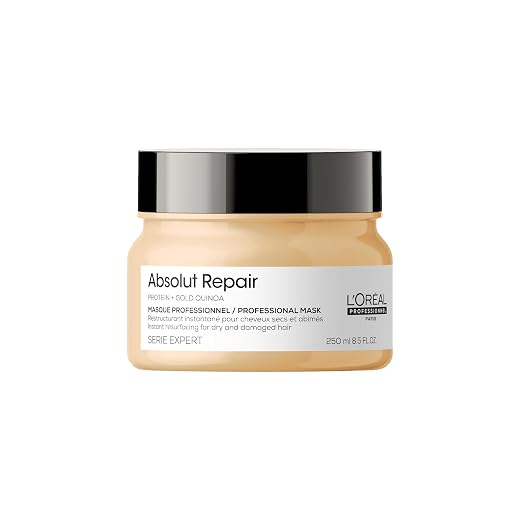
6. L’Oréal Professionnel Absolut Repair Hair Mask, Best for Overprocessed Hair
This polished salon pick targets roughness caused by bleach, color, and repeated heat. It helps processed lengths look smoother, glossier, and more controlled.
Why It’s Worth It
This salon formula suits hair that looks dull after coloring, bleaching, or heat styling. Its rich texture smooths the surface, improves shine, and leaves overprocessed lengths feeling more polished and manageable.
Pros
- Creates a glossy finish
- Helps smooth rough strands
- Works in a few minutes
- Suitable for chemically treated hair
- Makes overprocessed hair easier to style
- Feels lighter than many rich masks
Cons
- More expensive than regular drugstore products
- Formulas may vary by country
- Contains fragrance
- May not provide enough moisture for very coarse curls
Key Ingredients
Gold quinoa, protein, conditioning fatty alcohols, smoothing agents, and emollients.
Who It’s For
It is best for bleached, highlighted, colored, heat-damaged, chemically treated, or overprocessed hair.
How to Use
Apply the mask to clean, wet hair. Spread it through the mid-lengths and ends using your fingers or a wide-tooth comb. Wait three to five minutes, then rinse.
L'Oréal Professionnel Paris Absolut Repair Hair Mask - Nourishing Protein Treatment For Dry & Damaged Hair, Hydrates, Repairs Damage & Adds Hair Shine, Color...
| 📖 Read the Full Review |
| L’Oréal Professionnel Absolut Repair Hair Mask |
Useful Hair Mask Comparisons
These side-by-side comparisons make the differences between similar products easier to understand.
Choose by your hair texture, damage level, budget, and available treatment time.
Dove Bond Strength vs. Pantene Miracle Rescue
Both products are easy-to-find masks made for damaged and weakened hair. Dove works faster, while Pantene provides a richer conditioning experience.
Dove is the better option when you need a one-minute hair mask with peptides and different types of hydrolyzed protein. It fits into a quick shower routine and works well for chemically treated hair.
Pantene takes five to seven minutes. Its creamy texture and melting conditioning pearls give damaged lengths extra slip. Choose it if breakage and difficult detangling are your main concerns.
amika Soulfood vs. Redken All Soft Heavy Cream
Both masks focus on softness, shine, detangling, and manageability.
The main differences are texture, ingredients, and the type of dryness they target.
amika Soulfood uses jojoba oil and sea buckthorn oil. It is a good match for dull, tangled hair that needs nourishment without a strong protein treatment.
Redken All Soft Heavy Cream uses argan oil and a richer moisture complex. It works especially well for normal-to-medium hair that feels brittle, rough, or stiff.
Olaplex Rich Hydration vs. Eva NYC Therapy Session
Both options help dry and damaged hair, but their formulas work differently.
Olaplex is protein-free, while Eva NYC combines moisture with plant protein.
Choose Olaplex if you have thick, coarse, frizzy, chemically treated, or protein-sensitive hair. Its rich oils and butters focus on hydration and flexibility.
Choose Eva NYC if you want a large, affordable jar and your hair responds well to protein. It is useful for long, thick, high-porosity, or frequently heat-styled hair.
How to Get Better Results From a Hair Mask
A great formula can still disappoint when it is applied incorrectly.
Small changes in your technique can improve softness without causing greasy buildup.
Start With Clean, Damp Hair
Shampoo removes excess oil, dirt, and styling residue before treatment.
Squeeze out extra water so the hair mask does not slide off your strands.
Hair that is dripping wet may dilute the mask. Gently squeeze out water with your hands or a microfiber towel before applying the product.
Work in sections if your hair is thick, curly, coily, or easily tangled. This helps the mask coat the strands more evenly.
Focus on the Mid-Lengths and Ends
The oldest and driest parts of your hair usually need the most care.
Applying a rich mask directly to the scalp can make roots look oily or flat.
Fine and oily hair should keep most deep conditioning products below the ears. Thick, coarse, curly, or coily hair may need the product applied closer to the roots.
Always pay extra attention to the ends. They experience more heat, friction, brushing, and environmental exposure than newer hair near the scalp.
Follow the Timing on the Label
Leaving a mask on longer does not always create better results.
Some protein treatments can make hair stiff when they are used too often.
Follow the product directions unless the brand clearly allows overnight use. Three to five minutes is enough for many quick drugstore hair masks.
Use heat only when the brand recommends it. Gentle heat may help some rich deep conditioners spread through high-porosity hair, but it is not needed for every formula.
Rinse the Product Thoroughly
Leftover mask can make clean hair feel greasy, coated, or heavy.
Take extra time to rinse thick formulas from the roots, neck, and back sections.
Use lukewarm water to remove the mask. A final cool rinse may help hair feel smoother, but extremely cold water is not necessary.
Fine hair should be rinsed especially well. Even a small amount of rich product left behind can reduce volume.
Use the Mask at the Right Frequency
Most people do not need a deep conditioning mask every day.
Start once weekly, then adjust based on how your hair responds.
Very dry, thick, or damaged hair may benefit from one or two treatments each week. Fine, oily, or low-porosity hair may need a mask only once every one or two weeks.
Replace your regular conditioner with the mask unless the product label tells you to use both. Layering two rich products may create unnecessary buildup.
Common Hair Mask Mistakes to Avoid
Using more product does not always mean getting softer hair.
A few common mistakes can leave strands flat, stiff, greasy, or difficult to style.
Applying Too Much Product
Start with a small amount and add more only where needed.
Completely covering the hair in a thick layer usually wastes product.
Fine and short hair need much less product than long, thick, or coily hair. Sectioning your hair helps you spread a smaller amount more evenly.
Using Protein Too Often
Protein can support weak strands, but frequent use may create stiffness.
Watch how your hair feels after every strengthening treatment.
If your hair becomes rough, rigid, tangled, or unusually dry, pause the protein masks. Switch to a protein-free moisturizing treatment for your next few wash days.
Expecting Permanent Split-End Repair
A hair mask can smooth frayed ends and improve their appearance.
It cannot permanently reconnect a strand that has already split.
Conditioning products reduce friction and help ends look neater. Regular trims are still needed to remove split or severely damaged sections.
Ignoring Your Hair Type
The most popular hair mask is not automatically the right one for you.
Your hair thickness, porosity, curl pattern, and damage level matter more than trends.
A thick butter-based mask may transform coarse curls but flatten fine strands. A light three-minute conditioner may work beautifully for waves but feel too weak for dry coils.
Frequently Asked Questions
Can a Drugstore Hair Mask Repair Split Ends?
A hair mask can temporarily smooth frayed ends and reduce friction.
It cannot permanently join an existing split strand back together.
Rich conditioners, silicones, oils, and proteins may make split ends look neater. However, trimming is the only way to fully remove a split section.
Can Fine Hair Use a Deep Conditioning Mask?
Yes, fine hair can use a mask when the formula and amount are suitable.
Apply a small amount and keep it away from oily roots.
Choose a lightweight hair mask or quick three-minute treatment. Start once weekly and reduce the frequency if your hair looks flat, greasy, or difficult to style.
How Do I Know Whether My Hair Needs Protein or Moisture?
Hair that feels rough, rigid, straw-like, or dry often needs moisture.
Hair that feels weak, overly stretchy, or prone to snapping may benefit from protein.
Introduce keratin, peptides, and hydrolyzed protein slowly. If a strengthening mask leaves your hair stiff or tangled, switch to a protein-free moisturizing mask.
How Often Should I Use a Hair Mask?
Once weekly is a good starting point for most hair types.
Adjust the frequency according to dryness, thickness, porosity, and damage.
Coarse, curly, coily, bleached, or high-porosity hair may need more frequent deep conditioning. Fine, oily, or low-porosity hair may need less.
Should I Use Conditioner After a Hair Mask?
Most rinse-out masks replace regular conditioner on the day you use them.
Using both may make some hair types feel coated or heavy.
Read the instructions on the package. Some strengthening treatments may recommend following with conditioner, but most moisturizing masks already provide enough softness and slip.
Can I Leave a Hair Mask on Overnight?
Only leave a mask on overnight when the brand clearly says it is suitable.
Regular rinse-out formulas are usually designed for a much shorter treatment time.
Sleeping in a strong protein mask may leave hair stiff. Rich moisturizing masks can also transfer onto bedding or irritate sensitive skin.
Can I Apply a Hair Mask to Dry Hair?
Some products can be used before shampooing, but most work best on damp hair.
Water helps many conditioning ingredients spread more evenly through the strands.
Follow the instructions for your chosen product. Do not assume every rinse-out mask is also suitable as an overnight or pre-shampoo treatment.
Final Verdict: Choosing the Best Drugstore Hair Mask
The best drugstore hair mask should match your texture, damage level, and available time.
Popularity matters less than how your own hair responds after several uses.
Dove Hair Bond Strength 10-in-1 Serum Mask is the best overall choice for speed, availability, and damage care. It takes only one minute and works well for chemically treated or breakage-prone strands.
Choose SAUCE Guacamole Whip if deep moisture is your priority. Garnier Honey Treasures is a better fit for a tight budget, while HASK Keratin Smooth targets frizz and unruly texture.
Aussie 3 Minute Miracle Moist is ideal when you need fast hydration. SheaMoisture and Mielle are stronger choices for curls, coils, high-porosity hair, and protein-based care.
For a more premium finish, consider amika Soulfood, Redken All Soft Heavy Cream, Olaplex Rich Hydration Mask, or L’Oréal Professionnel Absolut Repair. The best choice is the one that makes your hair softer, easier to detangle, and more manageable without leaving it stiff or heavy.
References
American Academy of Dermatology
10 Hair Care Habits That Can Damage Your Hair
Redken
Hair Wellness Tips for Healthy and Strong Hair
Matrix
Understanding the Benefits of Hair Masks