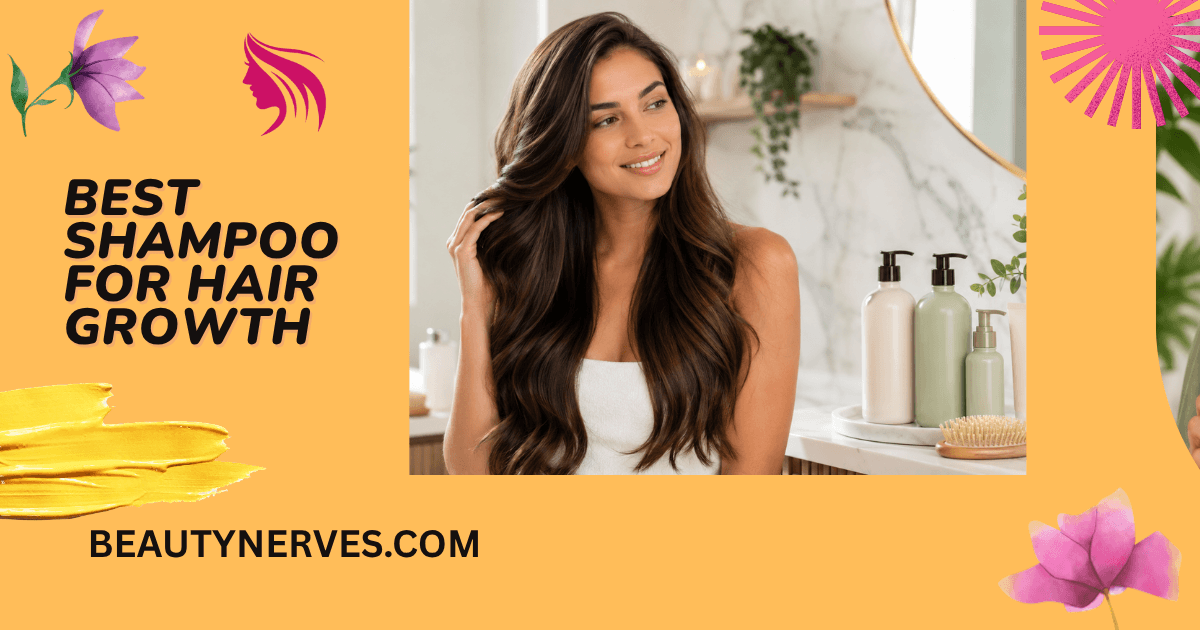
You notice more hair in the shower. Then your part looks wider. Soon, every bottle seems to promise thicker, faster-growing hair. The truth is less exciting, but more useful.
Most shampoos cannot restart inactive follicles. They can clean the scalp, control dandruff, reduce breakage, and make weak hair look fuller.
One product here, Women’s Rogaine Foam, is a real hair-regrowth treatment, although it is not shampoo. The best shampoo for hair growth depends on why your hair looks thin.
This article separates proven treatment from supportive hair care, helping you build a routine without wasting money or expecting overnight results.
Disclosure: This post contains affiliate links. If you purchase through these links, I may earn a small commission at no extra cost to you.
Table of Contents
Read more: Best Shampoos: The Complete Guide to Choosing the Right Shampoo for Every Hair Type


Read more: Haircare Products Guide: Top Ones to Make Your Hair Beautiful
Quick Answer: What Is the Best Shampoo for Hair Growth?
Most shampoos cannot directly regrow lost hair.
The best option depends on whether you have pattern thinning, dandruff, dryness, or breakage.
Women’s Rogaine 5% Minoxidil Foam is the best product on this list for actual female pattern hair growth. However, it is a leave-on scalp treatment, not a shampoo. It is designed for gradual thinning on the top of the scalp and requires consistent daily use.
For shampoo, Nizoral Anti-Dandruff Shampoo with 1% ketoconazole is the best choice for dandruff, itching, and flaky scalp. It may reduce shedding linked with scalp irritation, but it does not directly treat hereditary hair loss.
Choose Olaplex No.4 Bond Maintenance Shampoo if bleaching, coloring, heat, or breakage is making your hair look thinner. Pick Dove Intensive Repair Shampoo for an affordable damaged-hair option.
The L’Oréal Elvive Hyaluron Plump Set is best for dry, flat, and dehydrated hair. Bare Anatomy Rosemary Water Spray is a lightweight scalp-care product, but it should not replace proven hair-loss treatment.
TL;DR: Best Hair-Growth Products at a Glance
Each product supports hair in a different way.
Use this quick list to find the best match for your main concern.
- Best for actual female pattern hair growth: Women’s Rogaine 5% Minoxidil Foam
- Best for dandruff and itchy scalp: Nizoral Anti-Dandruff Shampoo, 7 Fl Oz
- Best value for recurring dandruff: Nizoral Anti-Dandruff Shampoo, 14 Fl Oz
- Best for daily botanical scalp care: Bare Anatomy Rosemary Water Spray
- Best for dry and flat hair: L’Oréal Elvive Hyaluron Plump Shampoo and Conditioner Set
- Best for bleached and breakage-prone hair: Olaplex No.4 Bond Maintenance Shampoo
- Best for detangling damaged hair: Olaplex No.5 Bond Maintenance Conditioner
- Best budget shampoo for hair breakage: Dove Intensive Repair Shampoo
Which Product Should You Choose?
Your symptoms matter more than the words printed on the bottle.
Choose the product that matches the cause of your thin-looking hair.
Choose Women’s Rogaine 5% Minoxidil Foam if you have gradual female pattern thinning, such as a widening part or thinning on the top of the scalp.
Choose Nizoral Anti-Dandruff Shampoo if your scalp is itchy, flaky, oily, or affected by recurring dandruff. Start with the 7-ounce bottle. Buy the 14-ounce bottle if you already know the formula works for you.
Choose Olaplex No.4 and No.5 if your hair breaks because of bleaching, heat styling, coloring, dryness, or chemical treatments.
Choose Dove Intensive Repair Shampoo if you want an affordable shampoo for damaged and weak hair.
Choose L’Oréal Elvive Hyaluron Plump if your hair feels dry, flat, dull, or dehydrated but you are not dealing with true hair loss.
Choose Bare Anatomy Rosemary Water Spray if you want a lightweight, non-greasy scalp-care product. Treat it as an optional cosmetic step, not a replacement for minoxidil or medical advice.
What Hair-Growth Products Can Actually Do
A shampoo can support healthier-looking hair, but it cannot solve every type of hair loss.
First decide whether you have shedding, breakage, dandruff, dryness, or gradual pattern thinning.
Minoxidil is an evidence-backed treatment for early pattern hair loss. Gentle shampoo and conditioner can protect fragile strands, while medicated dandruff shampoo treats flaking that may add to irritation or shedding. Sudden, patchy, painful, or unexplained hair loss needs a dermatologist rather than stronger cosmetic products.
Best Products for Hair Growth, Scalp Health, and Breakage
These products do different jobs, so the best option depends on your main concern.
The list includes medicated shampoo, regular cleansers, conditioner, a scalp spray, and minoxidil foam.
Nizoral Anti-Dandruff Shampoo 1% Ketoconazole, 7 Fl Oz, Best for Testing a Medicated Dandruff Shampoo
This smaller bottle is a practical starting point for an itchy, flaky scalp.
It is not a direct treatment for female pattern hair loss.
Why It’s Worth It
This smaller Nizoral bottle lets you test ketoconazole without overbuying. It targets dandruff, itching, and flaking that may worsen shedding when the scalp remains irritated, making it practical for beginners.
Pros
- Contains 1% ketoconazole
- Helps control flaking, scaling, and itching
- Smaller size suits first-time users
- Used only a few times each week
Cons
- Does not directly treat pattern hair loss
- May dry curly or processed lengths
- Costs more per ounce than the larger bottle
Key Ingredients
Ketoconazole 1% is the active antifungal ingredient. It controls the fungus linked with dandruff symptoms and separates Nizoral from ordinary cosmetic shampoos.
Who It’s For
It suits adults with dandruff, itching, or visible flakes. It may reduce hair loss linked with uncontrolled dandruff, but it is not a stand-alone treatment for androgenetic alopecia.
How To Use
Apply mainly to the wet scalp, massage gently, and rinse. Nizoral recommends using it every three to four days, about twice weekly, for eight weeks. Condition dry lengths afterward.
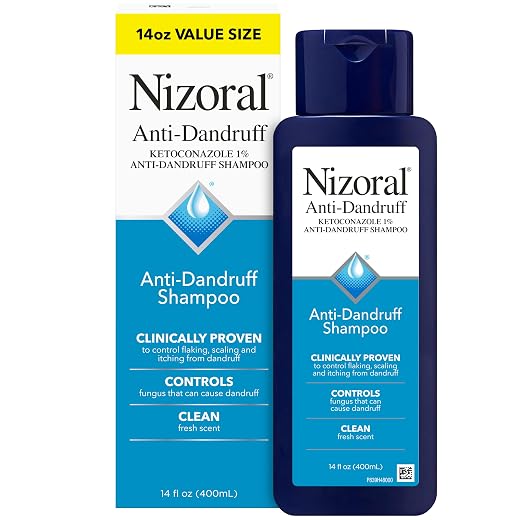
Nizoral Anti-Dandruff Shampoo 1% Ketoconazole, 14 Fl Oz, Best Value for Recurring Dandruff
This is the same medicated formula in a larger bottle.
Choose it when you already know Nizoral works for your scalp.
Why It’s Worth It
The larger bottle provides better value for regular dandruff care. Its one percent ketoconazole formula controls fungus-related flaking while providing enough product for a consistent, twice-weekly scalp routine.
Pros
- Same 1% ketoconazole formula
- Larger supply for recurring dandruff
- Often better value per ounce
- Helpful for itching and scaling
Cons
- Not stronger than the 7-ounce bottle
- May be wasteful if irritation occurs
- Cannot replace minoxidil or prescribed treatment
Key Ingredients
The active ingredient remains ketoconazole 1%. The difference between the two bottles is quantity, not medicine strength.
Who It’s For
Choose it after you have tried the smaller bottle and know your scalp tolerates it. It works best when recurring flakes and itching are part of your hair concern.
How To Use
Concentrate the lather on the scalp and follow the drug label, usually twice weekly during treatment. Use a gentle shampoo on other wash days and conditioner on the lengths.
Nizoral Anti-Dandruff Shampoo with 1% Ketoconazole, Fresh Scent, 14 Fl Oz | Anti-Fungal Shampoo, Dandruff Shampoo for Dandruff Relief, Ketoconazole Shampoo,...
Read more: Nizoral Anti-Dandruff Shampoo with 1% Ketoconazole
Bare Anatomy Rosemary and Rice Water Spray, Best for Lightweight Daily Scalp Care
This is a leave-in scalp spray, not shampoo or medicine.
It suits people who want a non-greasy rosemary product.
Why It’s Worth It
This lightweight spray combines rosemary and rice water for daily scalp care. It feels less greasy than oil, supports softness, and fits easily into simple morning, evening, or overnight routines.
Pros
- Water-based and fast absorbing
- Contains rosemary and rice extracts
- Works as a leave-in or overnight spray
- Adds light moisture and shine
Cons
- Rosemary water has limited regrowth evidence
- Should not replace minoxidil
- Botanical ingredients may irritate sensitive scalps
Key Ingredients
The formula lists rosemary extract, rice bran extract, glycerin, rosemary leaf oil, and fruit extracts. These may support softness and scalp care, but they are not proven equivalents to minoxidil.
Who It’s For
It suits fine, dry, frizzy, or weak-looking hair that needs lightweight hydration. People with progressive pattern thinning should not delay medical assessment while waiting for a botanical spray.
How To Use
Spray on clean, dry, or towel-dried hair, focusing on the scalp. The brand suggests morning or bedtime use and says it can be applied daily. Patch-test sensitive skin.
Bare Anatomy Nature x Science Rosemary Water Spray for Hair Growth & Hair Thickness with Rice Water |100% Natural Extract | Soft & Smooth Hair| Controls...
Read more: Bare Anatomy Rosemary & Rice Water Spray
L’Oréal Paris Elvive Hyaluron Plump Shampoo and Conditioner Set, Best for Dry and Flat Hair
This set focuses on hydration, bounce, and fuller-looking strands.
It does not contain a proven active ingredient for new growth.
Why It’s Worth It
This affordable shampoo and conditioner set makes dry, brittle hair feel fuller and softer. Hyaluronic acid adds hydration, reducing roughness and improving the appearance of flat, dehydrated strands after washing.
Pros
- Affordable two-product routine
- Contains hyaluronic acid
- Helps hair feel soft and bouncy
- Suitable for several hair textures
Cons
- Does not regrow hair
- Shampoo contains sulfate cleansers
- Conditioner may flatten very fine roots
Key Ingredients
Hyaluronic acid and sodium hyaluronate attract moisture to dry hair fibers. The shampoo also contains sulfate surfactants and silicones, while the conditioner adds slip and detangling.
Who It’s For
Choose it for dry, dull, brittle, frizzy, or flat hair. It helps when strands look thin because they lack moisture and body, not when follicles are producing less hair.
How To Use
Massage shampoo into wet roots and rinse. Apply conditioner to the mid-lengths and ends, leave it for one to two minutes, then rinse well.
Olaplex No.4 Bond Maintenance Shampoo, Best for Bleached and Breakage-Prone Hair
This concentrated shampoo is designed for damaged, chemically treated hair.
Its main value is reducing breakage, not activating follicles.
Why It’s Worth It
Olaplex No.4 cleanses without traditional sulfates while supporting damaged bonds. It helps when bleaching, heat, or coloring causes breakage that makes hair look noticeably thinner over time with regular use.
Pros
- Sulfate-free cleansing system
- Color-safe and concentrated
- Supports smoothness and manageability
- Useful for bleach and heat damage
Cons
- Expensive for a shampoo
- Does not treat follicle-level hair loss
- May feel heavy when overused
Key Ingredients
The formula includes coconut-derived surfactants, Bis-Aminopropyl Diglycol Dimaleate, glycerin, panthenol, plant oils, sodium hyaluronate, silicones, and conditioning polymers. It is free from SLS and SLES sulfates.
Who It’s For
It is best for bleached, colored, porous, heat-damaged, or fragile hair that snaps along the lengths. It supports hair retention by reducing breakage, not by changing the growth cycle.
How To Use
Emulsify a small amount, apply to wet hair, lather, and rinse well. Follow with Olaplex No.5 or another moisturizing conditioner.
OLAPLEX N°.4 Bond Maintenance™ Strengthening Shampoo | Bond Repair
Read more: Olaplex No.4 Bond Maintenance Shampoo: Is It Worth Buying?
Olaplex No.5 Bond Maintenance Conditioner, Best for Reducing Detangling Breakage
Weak hair often snaps during brushing, not only during washing.
This rich conditioner improves slip after shampooing.
Why It’s Worth It
This concentrated conditioner adds moisture, slip, and easier detangling after shampooing. It helps reduce brushing breakage, making it valuable for medium-to-coarse, processed, dry, fragile, or frequently styled hair types overall.
Pros
- Makes detangling easier
- Helps reduce breakage
- Adds moisture and shine
- Suits processed hair
Cons
- Cannot regrow hair
- May be rich for very fine strands
- Costs more than basic conditioners
Key Ingredients
Panthenol, glycerin, Bis-Aminopropyl Diglycol Dimaleate, fatty alcohols, plant oils, hyaluronic acid, silicones, and conditioning agents provide moisture and slip.
Who It’s For
It works best for medium-to-coarse, curly, coily, bleached, dry, or tangled hair. Choose it when snapping and knots contribute to thin-looking lengths.
How To Use
Apply to the mid-lengths and ends after shampooing. Leave it on for one to three minutes, then rinse well.
OLAPLEX N°.5 Bond Maintenance™ Strengthening Conditioner | Repair | For Medium-To-Coarse Hair; Color-Safe, Sulfate-Free Formula For All Hair Types And Textures
Read more: Olaplex No.5 Bond Maintenance Conditioner
Women’s Rogaine 5% Minoxidil Foam, Best for Female Pattern Hair Thinning
This is the only true hair-regrowth treatment on the list.
It is a leave-on scalp medicine, not shampoo.
Why It’s Worth It
Rogaine is the strongest hair-regrowth option here because it contains five percent minoxidil. It treats female pattern thinning instead of only improving scalp comfort or reducing strand breakage over time.
Pros
- Contains 5% minoxidil
- Labeled for once-daily use in women
- Targets gradual top-of-scalp thinning
- Has stronger evidence than cosmetic shampoos
Cons
- Requires continued daily use
- Results vary and take time
- May cause itching, dryness, or irritation
- Must not be used during pregnancy or nursing
Key Ingredients
Minoxidil 5% is the active medicine. It can stimulate hair growth and slow hereditary thinning, although it does not work for everyone. Foam also contains alcohol, which can irritate sensitive skin.
Who It’s For
It is for adult women with gradual female pattern hair loss, often seen as a widening part or thinning on the top of the scalp. Sudden or patchy loss needs diagnosis first.
How To Use
Part dry or towel-dried hair, dispense half a capful onto clean fingers, and massage it into the thinning scalp once daily. Let it dry before styling and wash your hands. Do not use during pregnancy or nursing. Ask a doctor before use if you have heart disease.
Dove Intensive Repair Shampoo, Best Budget Shampoo for Damaged Hair
This drugstore shampoo focuses on weak strands and visible breakage.
It is practical when the lengths look thin from snapping.
Why It’s Worth It
Dove Intensive Repair offers affordable daily cleansing for damaged hair. Its conditioning formula improves smoothness and helps limit visible breakage, making weak, thin-looking lengths appear healthier and fuller between trims.
Pros
- Affordable and widely available
- Designed for damaged hair
- Improves smoothness and manageability
- Works for several hair textures
Cons
- Does not contain a regrowth drug
- Contains sodium laureth sulfate
- Silicones may weigh down fine hair
Key Ingredients
The formula includes sodium laureth sulfate, cocamidopropyl betaine, dimethiconol, glycerin, and conditioning polymers. Dove positions it around Bio-Protein Care and Glutamic Amino Serum for damaged hair.
Who It’s For
Choose it for rough, heat-damaged, dyed, bleached, or frequently styled hair. It is best when breakage, rather than root-level shedding, is making your ponytail look thinner.
How To Use
Apply to wet hair, massage gently, and rinse. Follow with conditioner or a repair mask, focusing on the mid-lengths and ends.
Dove Intensive Repair Shampoo for Damaged Hair & Breakage 28oz | Helps protect against future hair breakage and regenerate hair strength with Amino Serum &...
Read more: Dove Intensive Repair Shampoo: A Closer Look at Damaged Hair Care
Five Product Comparisons
Product labels often use the same words while solving very different problems.
These comparisons make the main differences easier to see.
Nizoral 7 Fl Oz vs. Nizoral 14 Fl Oz
The formula and ketoconazole strength are the same.
The choice is about trial size and long-term value.
Buy the 7-ounce bottle when trying Nizoral for the first time. Choose the 14-ounce bottle when it already works for you and you want a longer supply. Neither bottle is stronger.
Nizoral vs. Women’s Rogaine
Nizoral controls dandruff and fungal-related scalp symptoms.
Rogaine treats gradual female pattern thinning with minoxidil.
Choose Nizoral for flakes, itching, and scaling. Choose Rogaine for a slowly widening part or thinning on top. They are not substitutes, although some people may use both carefully.
Bare Anatomy Rosemary Spray vs. Women’s Rogaine
One is a cosmetic botanical spray.
The other is a labeled hair-regrowth medicine.
Bare Anatomy supports lightweight moisture and rosemary-based scalp care. Rogaine has the stronger evidence for female pattern hair loss. Do not delay proven treatment while waiting for rosemary water to reverse progressive thinning.
L’Oréal Hyaluron Plump vs. Olaplex No.4
Both can make dry hair look healthier and fuller.
L’Oréal focuses on hydration, while Olaplex targets processed damage.
Choose L’Oréal for flat, dehydrated hair on a budget. Choose Olaplex when bleach, color, or heat has weakened the strands. Neither is a medical hair-regrowth treatment.
Olaplex No.5 vs. Dove Intensive Repair
Olaplex No.5 is a premium conditioner.
Dove Intensive Repair is a budget shampoo.
Choose Olaplex for rich detangling and moisture after washing. Choose Dove for affordable cleansing of damaged hair. They can be used together because they fill different routine steps.
How to Choose the Best Shampoo for Hair Growth
Start with the cause, not the loudest promise on the label.
A product only works when its purpose matches your concern.
For Gradual Pattern Thinning
A widening part and slow thinning on top may suggest female pattern hair loss.
Minoxidil has stronger evidence here than rosemary water or bond shampoo.
Women’s Rogaine is the most relevant option on this list for gradual female pattern thinning. It requires consistency, and not everyone responds. A dermatologist can confirm the cause and discuss other treatments.
For Dandruff and Scalp Itching
Flaking and irritation need different care from hereditary hair loss.
Nizoral targets dandruff-causing fungus rather than the follicle growth cycle.
Apply it mainly to the scalp and protect dry lengths with conditioner. See a clinician when the scalp is painful, crusted, bleeding, or not improving.
For Breakage and Dryness
Broken strands can make hair look thin even when the follicles are healthy.
Bleach, heat, rough brushing, and dryness can increase snapping.
Olaplex, Dove, and L’Oréal support the hair fiber through cleansing, hydration, and easier detangling. Dermatologists also recommend gentle shampoo and conditioner for fragile hair.
A Simple Hair-Growth Routine
A crowded shelf does not guarantee better results.
A simple routine is easier to follow and judge.
Use one shampoo based on your scalp. Choose Nizoral only on planned dandruff days. Use a gentle or repair shampoo on other days and condition after every wash.
Apply Women’s Rogaine separately once daily when appropriate. Add rosemary spray only if your scalp tolerates it and it does not replace proven care.
Take monthly photos in the same light and with the same part. Hair growth is slow. Rogaine says visible results may take at least four months, and continued use is needed to maintain them.
Final Verdict: Top Shampoos for Hair Growth
The best shampoo for hair growth is really the best product for the cause behind your thinning.
No single bottle treats dandruff, breakage, dryness, and pattern hair loss together.
Women’s Rogaine 5% Foam is the strongest choice here for actual female pattern hair regrowth, although it is not shampoo. Nizoral is best for dandruff.
Olaplex and Dove are best for damaged, breaking hair. L’Oréal Hyaluron Plump is best for dry, flat strands. Bare Anatomy is an optional rosemary and rice-water add-on.
Choose one goal, follow the directions, and give evidence-based treatment enough time to work.
Frequently Asked Questions
Can Shampoo Really Regrow Hair?
Most shampoos do not regrow hair.
They can clean the scalp, treat dandruff, reduce breakage, and improve fullness.
Minoxidil is the actual hair-regrowth medicine in this list, and it is a leave-on foam. Regular shampoo can support the routine, but it does not replace treatment.
Is Ketoconazole Shampoo Good for Hair Growth?
Ketoconazole is mainly an antifungal dandruff treatment.
Its strongest role is controlling itching, flakes, and scaling.
Nizoral says regular use may help control hair loss linked with dandruff. That is different from proving it regrows hair in female or male pattern baldness.
Is Rosemary Water Better Than Minoxidil?
The two options do not have equal evidence.
Minoxidil is a recognized treatment, while rosemary water is supportive cosmetic care.
Some research interest surrounds rosemary oil, but that does not prove every rosemary-water spray regrows hair. Progressive thinning deserves diagnosis and evidence-based treatment.
How Long Does Hair Growth Take?
Hair changes are measured in months, not days.
Fast promises should make you cautious.
Rogaine says results may take at least four months, and responses vary. Cosmetic shampoos may improve softness and volume quickly, but that is not new follicle growth.
When Should I See a Dermatologist?
Get help for sudden, patchy, painful, rapidly worsening, or unexplained loss.
Also seek care when the scalp is inflamed or heavily scaled.
Hair loss can have hereditary, hormonal, medical, nutritional, stress-related, or styling causes. Early diagnosis matters because each type needs different treatment.
References:
- Healthline
The 7 Best Shampoos for Hair Growth of 2026 – https://www.healthline.com/health/best-shampoo-for-thinning-hair - mindbodygreen
The 15 Best Hair Growth Shampoos – https://www.mindbodygreen.com/articles/best-hair-growth-shampoo - American Academy of Dermatology
Hair Loss: Diagnosis and Treatment – https://www.aad.org/public/diseases/hair-loss/treatment