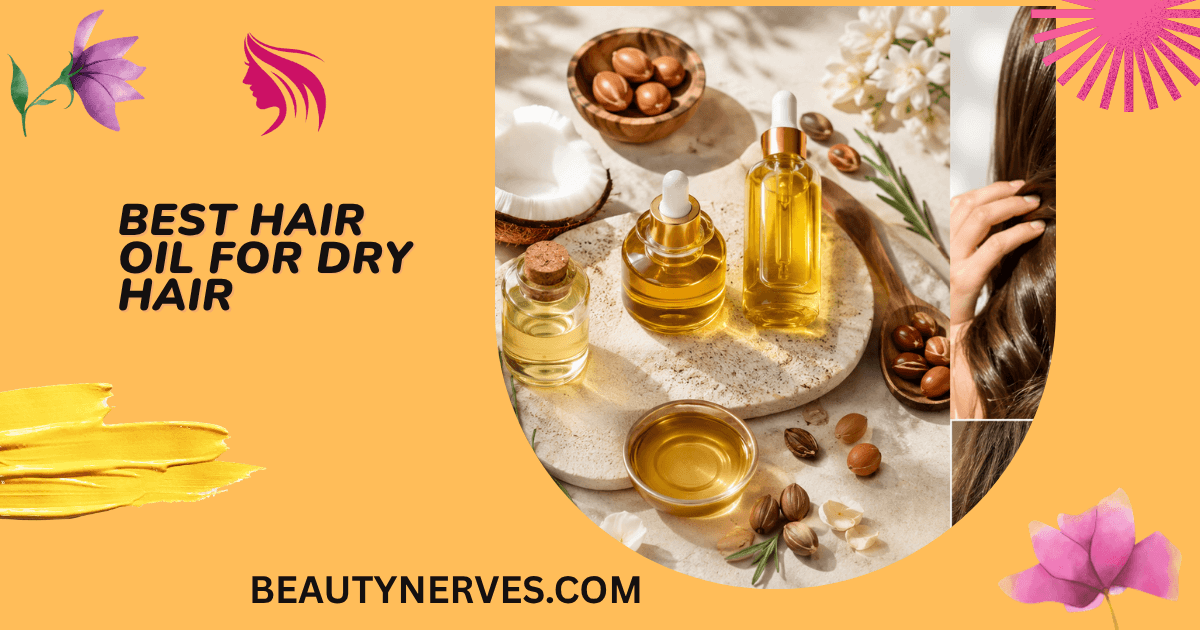
Dry hair can turn a calm morning into a small battle. You brush one knot, and three more appear. The ends look dull. Frizz sits around your face. Your usual conditioner helps, but only until lunchtime.
That is where the best hair oil for dry hair can make a real difference. The right formula adds softness, controls flyaways, and protects fragile ends without making them greasy.
Some oils are light enough for fine hair. Others work better on thick curls or damaged strands. This article compares nine options so you can choose one that fits your hair, budget, and routine.
Disclosure: This post contain affiliate links. If you purchase through these links, I may earn a small commission at no additional cost to you.
Read more: Best Hair Oils: A Complete Guide to Choosing the Right Oil for Every Hair Type
Table of Contents
TL;DR
Every product serves a different type of dry hair.
Use this quick list to find the closest match for your needs.
- Best Overall: Mielle Organics Rosemary & Mint Hair Oil
- Best Affordable Option: Johnson’s Baby Oil
- Best for Frizzy Hair: MAREE Hair Oil
- Best for Everyday Shine: Mise En Scene Perfect Serum
- Best for Fine Dry Hair: OGX Argan Oil Dry Oil Spray
- Best for Heat-Damaged Hair: OGX Coconut Miracle Oil
- Best Rich Pre-Wash Treatment: WEEMOTD Raw Batana Oil
- Best for Dry Curly Hair: Lebanta Raw Batana Oil
- Best for a Dry Scalp: Majestic Pure Organic Jojoba Oil





Read more: Haircare Products Guide: Top Ones to Make Your Hair Beautiful
Expert Opinion on Choosing Hair Oil
A bestseller is not always the best choice for your hair. Your hair texture, porosity, scalp condition, and level of damage matter more.
Fine hair usually needs a lightweight oil, while thick, curly, or high-porosity hair can handle richer oils like coconut, castor, or batana oil.
Choose an oil based on your main concern. Dryness needs moisture, frizz needs smoothing, and breakage needs less friction. Hair oil can improve softness and shine, but it cannot permanently repair split ends or treat medical hair loss.
The 9 Best Hair Oils for Dry, Frizzy, and Damaged Hair Today
These products include scalp oils, finishing serums, sprays, and rich pre-wash treatments.
Choose the texture that matches your hair instead of using every oil in the same way.
1. Mielle Organics Rosemary & Mint Oil: Best Overall
This is a rich scalp and hair oil.
It works best as a weekly treatment or protective-style companion.
Why It’s Worth It
This rosemary and mint blend supports a practical scalp-oiling routine while softening dry lengths. Its rich mix of carrier oils makes brittle, textured, or protective-styled hair easier to manage weekly.
Pros
- Contains several nourishing plant oils
- Easy to apply with the pointed nozzle
- Useful for scalp massage
- Helps soften dry ends
- Suitable for protective hairstyles
- Can be used before shampooing
Cons
- Strong mint and herbal smell
- May feel heavy on fine hair
- Essential oils may irritate sensitive scalps
- Can create buildup when overused
Key Ingredients
The formula includes rosemary oil, peppermint oil, biotin, castor oil, jojoba oil, coconut oil, soybean oil, tea tree oil, grapeseed oil, and aloe.
Rosemary and peppermint give the oil its fresh scent and cooling feeling. Castor, coconut, and jojoba oils coat dry strands and reduce roughness.
Who It’s For
This oil suits people with dry roots, brittle ends, textured hair, protective styles, or frequent breakage.
It works especially well for thick, curly, coily, and high-porosity hair. People with fine hair should use it before shampooing instead of leaving it in all day.
How to Use
Part your hair into small sections. Apply a few drops directly to the scalp.
Massage gently for one to two minutes. Avoid scratching with your nails.
For dry ends, rub one or two drops between your palms. Press the oil into the last few inches of your hair.
Leave it on for 20 to 30 minutes before shampooing. You can also apply a very small amount to braids, twists, or other protective styles.
Mielle Organics Rosemary & Mint Hair Oil - Strengthening Biotin Oil Infused Frizzy & Damaged Hair Care - Split Ends & Dry Scalp Treatment to Support Longer,...
Read more: Mielle Organics Rosemary & Mint Hair Oil Review
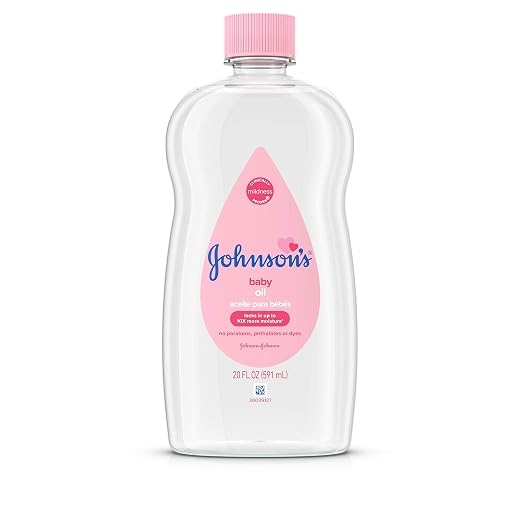
2. Johnson’s Baby Oil: Best Affordable Moisture Sealer
This is a basic mineral oil rather than a repair treatment.
It creates a simple coating that helps reduce moisture loss.
Why It’s Worth It
This basic mineral oil seals moisture into damp ends and adds quick slip for detangling. It is affordable, easy to find, and useful when you only need simple surface smoothing.
Pros
- Affordable and widely available
- Simple formula
- Helps reduce friction during detangling
- Adds quick shine
- A small bottle lasts a long time
- Useful for thick, rough ends
Cons
- Does not contain plant nutrients
- Does not provide protein or bond repair
- Can make fine hair look greasy
- Fragrance may not suit everyone
- Not designed as a scalp treatment
Key Ingredients
The standard formula mainly contains mineral oil and fragrance.
Mineral oil sits on the hair’s surface. It helps slow moisture loss and makes tangled sections feel more slippery. It does not penetrate or rebuild damaged hair.
Who It’s For
Johnson’s Baby Oil may suit people who want an affordable hair oil for dry hair without buying a specialized serum.
It works better on thick, coarse, or very dry ends. Fine, oily, or low-porosity hair may find it too heavy.
How to Use
Start with one drop. Apply it to clean, damp palms.
Rub your hands together until the oil forms a thin layer. Press your palms gently over the ends.
Do not pour it directly onto your hair. Avoid the scalp and roots unless a healthcare professional has advised otherwise.
Johnson's Baby Oil, Pure Mineral Oil, Original Scent, 20 fl. oz | Help Prevent Moisture Loss, For Baby, Kids & Adults, Gentle & Soothing Massage Oil, Dry...
Read more: Johnson’s Baby Oil for Soft & Smooth Baby Skin
3. MAREE Hair Oil: Best for Frizzy and Damaged Hair
MAREE works like a smoothing serum.
It is made for rough ends, flyaways, and visible frizz.
Why It’s Worth It
This smoothing serum combines argan oil, keratin, biotin, and vitamins to tame visible frizz. It gives damaged ends a glossier finish without requiring a long pre-shampoo treatment at home daily.
Pros
- Controls visible frizz quickly
- Adds a glossy finish
- Convenient for regular styling
- Helps smooth rough ends
- Suitable for heat-styled hair
- Easier to use than a thick raw oil
Cons
- Results are mainly cosmetic
- Too much may flatten fine hair
- Fragrance may not suit sensitive users
- Does not permanently repair split ends
Key Ingredients
The main highlighted ingredients include argan oil, keratin, biotin, and vitamins.
Argan oil helps improve softness and shine. Keratin-based ingredients coat rough sections and create a smoother feel. Biotin is included as a supporting ingredient but should not be viewed as a guaranteed hair-growth treatment.
Who It’s For
This serum suits dry, frizzy, bleached, colored, or frequently styled hair.
It is useful when your roots become oily but your mid-lengths and ends remain rough. It also works for people who want a professional-looking finish without using a heavy overnight hair oil treatment.
How to Use
Apply a small amount to clean, damp hair.
Start at the mid-lengths. Work the product down toward the ends.
Comb through gently and continue with air-drying or heat styling. Apply half a drop to dry hair if flyaways remain after styling.
MAREE Hair Oil for Frizzy Hair with Argan Oil, Keratin & Biotin – Hair Serum for Dry and Curly Hair Gloss – Frizz Control Hair Care Products for Women –...
Read more: MAREE Hair Oil Review
4. Mise En Scene Perfect Serum: Best for Daily Shine
This Korean hair serum creates a polished finish.
It is lighter than most raw oils and easier to use every day.
Why It’s Worth It
This silky Korean serum blends several plant oils with smoothing agents for fast polish. It controls flyaways, boosts shine, and works well when dry hair needs a light everyday finish.
Pros
- Silky and easy to spread
- Adds visible shine
- Helps control flyaways
- Suitable for everyday styling
- A small amount covers long hair
- Works on damp or dry strands
Cons
- Contains fragrance
- Can create buildup when overused
- Not intended as a deep scalp treatment
- May not provide enough moisture for very coarse hair
Key Ingredients
The serum highlights argan oil, olive oil, coconut oil, apricot oil, marula oil, jojoba oil, and camellia oil.
These oils are combined with smoothing agents. The mixture coats uneven areas and creates a softer, shinier appearance.
Who It’s For
This product suits dull, puffy, frizzy, or moderately dry hair.
It works well for straight, wavy, and loosely curly hair that needs shine without a thick coating. People with very fine hair should begin with less than one pump.
How to Use
Place a small pump in your palm. Rub both palms together.
Apply the serum from the middle of the hair to the ends. Avoid pressing it onto the roots.
Use it on damp hair before styling or add a very small amount to dry hair for shine.
Mise En Scene Perfect Serum Original - Heat Protectant Hair Oil for Frizzy & Dry | Argan Oil | Visibly Smooths & Softens | Add Shine All Hair Types | Damage...
Read more: Mise En Scene Perfect Serum Original Review
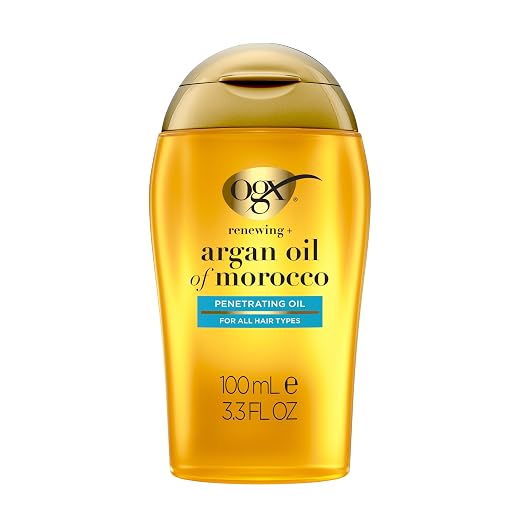
5. OGX Argan Oil Dry Spray: Best for Fine Dry Hair
The spray format makes this product easy to control.
It provides a light finish without the weight of a thick oil.
Why It’s Worth It
This fine mist spreads easily and feels lighter than traditional oils. It softens dry ends, controls flyaways, and suits fine hair that becomes flat or greasy with rich treatments quickly.
Pros
- Lightweight mist
- Easy to distribute
- Helps reduce flyaways
- Adds shine without strong heaviness
- Works well on fine or straight hair
- Convenient for daily use
Cons
- May be too light for severely dry hair
- Fragrance may be noticeable
- Direct spraying can cause uneven application
- Frequent use may create buildup
Key Ingredients
The formula includes argan oil, coconut oil, avocado oil, cocoa seed butter, emollients, and smoothing ingredients.
Argan oil for dry hair is popular because it adds softness and shine without the dense feel of castor or raw batana oil.
Who It’s For
This is one of the best options for fine, thin, straight, wavy, or low-density hair.
Choose it when you need a lightweight hair oil, a non-greasy hair oil, or quick control for dry ends and flyaways.
It may not be rich enough for thick, tightly coiled, or extremely dry hair.
How to Use
Spray the oil once or twice into your palm instead of spraying it directly over your head.
Rub your hands together. Smooth them over the mid-lengths and ends.
Begin with one spray on fine hair. Add another only if the ends still feel rough.
OGX Renewing + Argan Oil of Morocco, Cold-Pressed Argan Oil for Hair Penetrating Treatment & Shine, Moisturizing & Strengthening Silky Oil for All Hair...
Read more: OGX Renewing + Argan Oil of Morocco Penetrating Oil Review
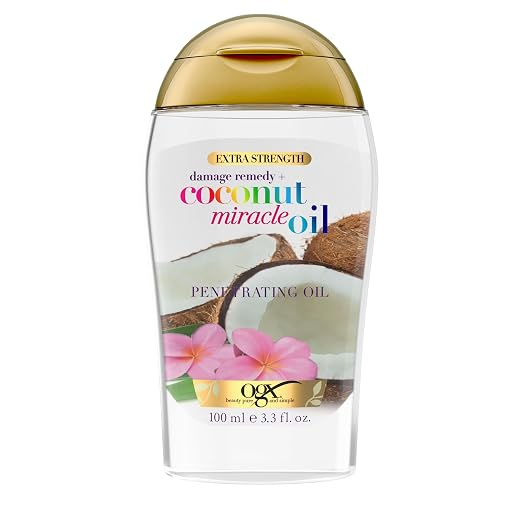
6. OGX Coconut Miracle Oil: Best for Heat Damage
This formula is richer than the OGX argan spray.
It is better suited to coarse, porous, and heat-stressed strands.
Why It’s Worth It
This richer treatment coats coarse, porous, and heat-stressed strands with coconut-based moisture. It softens rough ends, improves manageability, and works well as either a finishing oil or pre-wash treatment weekly.
Pros
- Softens coarse and rough hair
- Helps control visible frizz
- Useful as a pre-wash treatment
- Adds shine to damaged ends
- Suitable for thick and porous strands
- Helps reduce friction during styling
Cons
- May weigh down fine hair
- Contains fragrance
- Can feel greasy when overapplied
- May require thorough shampooing
- Does not permanently repair split ends
Key Ingredients
The formula highlights coconut oil, tiare flower extract, vanilla extract, safflower seed oil, vitamin E, and smoothing ingredients.
Coconut oil for damaged hair is often used before shampooing. It coats dry sections and may help reduce roughness and friction during washing.
Who It’s For
This oil suits thick, coarse, curly, porous, bleached, or heat-damaged hair.
Choose it when straighteners, curling tools, blow-drying, coloring, or environmental dryness have left your ends feeling hard and rough.
Fine or oily hair should use only a tiny amount.
How to Use
Apply a pea-sized amount to damp mid-lengths and ends.
For deeper conditioning, coat the driest sections before shampooing. Leave the oil on for 20 to 30 minutes.
Wash thoroughly and follow with conditioner. Do not keep adding oil when your hair already feels coated.
OGX Extra Strength Damage Remedy + Coconut Miracle Oil Penetrating Hair Oil Treatment, Extra Hydrating Anti-Frizz Oil for Coarse, Dry Hair, Paraben-Free,...
Read more: OGX Extra Strength Damage Remedy + Coconut Miracle Oil Penetrating Hair Oil Treatment Review
7. WEEMOTD Raw Batana Oil: Best Rich Pre-Wash Oil
Raw batana oil has a dense, butter-like feel.
It works better as a mask than a light finishing product.
Why It’s Worth It
This dense raw batana oil works like a traditional pre-wash mask. It coats porous strands, softens brittle ends, and gives thick, curly, or coily hair a richer conditioned feel afterward.
Pros
- Rich texture for severely dry hair
- Coats porous and brittle strands
- Useful for pre-wash oiling
- Helps improve manageability
- Suitable for thick curls and coils
- A small amount covers each section
Cons
- Too heavy for many fine hair types
- May require shampooing twice
- Natural scent may be strong
- Can create buildup
- Hair-growth claims are not clinically proven
Key Ingredients
The product is promoted as raw, unrefined batana oil.
Batana oil has a thick texture that helps seal and coat dry strands. Its main benefit is conditioning. It should not be treated as a guaranteed cure for thinning, baldness, or medical hair loss.
Who It’s For
This treatment suits thick, coarse, curly, coily, high-porosity, and extremely dry hair.
It may also help people whose hair absorbs light serums quickly and still feels rough.
People with fine, oily, acne-prone, or sensitive scalps should use it carefully.
How to Use
Scoop out a small amount. Warm it between your fingertips until it softens.
Apply it section by section from the mid-lengths to the ends. Use less around the roots.
Leave it on for 20 to 30 minutes. Shampoo thoroughly. Wash twice if your hair still feels coated.
WEEMOTD 100% Raw Batana Oil for Hair from Honduras, 2 Fl Oz, Bright Coffee | Moisturizing Hair Mask, Adds Shine & Softness, Unrefined Conditioning Scalp Oil
Read more: WEEMOTD 100% Raw Batana Oil for Hair
8. Lebanta Raw Batana Oil: Best for Dry Curly Hair
Lebanta is another thick batana-based treatment.
Its heavy texture is designed for curls that need deep moisture sealing.
Why It’s Worth It
This buttery batana treatment is designed for curls and coils that need heavy moisture sealing. It improves softness, reduces roughness, and fits well into a weekly deep-conditioning routine at home.
Pros
- Suitable for curls and coils
- Helps soften brittle ends
- Provides strong moisture sealing
- Useful for weekly deep conditioning
- Works well on high-porosity hair
- Helps reduce rough texture
Cons
- Not suitable for every fine hair type
- May require two shampoo rounds
- Can leave buildup when overused
- Thick texture takes time to spread
- Growth claims should be treated carefully
Key Ingredients
The product is marketed as pure, raw, cold-pressed, and unrefined batana oil.
Check the ingredient label on the container before use. Online listings, packaging, and regional formulas can change.
Who It’s For
This oil is best suited to dry curly hair, coils, thick textures, coarse strands, and high-porosity hair.
It is particularly useful for curls that remain rough after using a regular conditioner.
Low-porosity hair may become coated quickly and should use a smaller amount.
How to Use
Divide your hair into four or more sections.
Warm a small amount between your palms. Press it into the mid-lengths and ends.
Leave it on for 20 to 60 minutes. Shampoo and condition as usual.
Rinse until your curls feel soft and clean, not sticky or covered.
Lebanta Raw Batana Oil for Hair - 100% Pure, Organic 4oz Batana from Honduras for Fuller, Thicker-Looking Hair - Unrefined Cold Pressed Cosmetic Scalp Oil &...
Read more: Lebanta Raw Batana Oil for Hair
9. Majestic Pure Jojoba Oil: Best for Dry Scalp
This is a simple, single-ingredient oil.
It feels lighter than coconut, castor, and batana oil.
Why It’s Worth It
This single-ingredient jojoba oil is simple, fragrance-free, and easy to control. Its lighter texture suits dry scalp, sensitive routines, fine ends, and people who prefer products without complex blends inside.
Pros
- Single-ingredient formula
- Fragrance-free
- Lighter than many raw oils
- Easy to mix with conditioner
- Suitable for simple routines
- Useful as a carrier oil
Cons
- The dropper can become messy
- Does not contain protein or keratin
- Cannot repair severe chemical damage
- Too much may still flatten fine hair
- Results may feel subtle
Key Ingredients
The product contains organic jojoba oil, also known as Simmondsia chinensis seed oil.
It does not contain added fragrance, keratin, protein, or complex botanical blends.
Who It’s For
This oil suits people with a dry scalp, fragrance sensitivity, dry ends, or a preference for simple products.
It also works for people who want a light natural oil to mix into conditioner or use before shampooing.
How to Use
Apply two or three drops to the fingertips.
Massage them gently into dry scalp areas before washing. Do not soak the entire scalp.
For the ends, use one drop on damp hair. You can also mix one drop into your normal conditioner.
Majestic Pure USDA Organic Jojoba Oil 100% Pure & Natural Body Oil -8 Fl Oz | Cold Pressed & Hexane Free Hair Growth Oil for Eyelashes, Eyebrows, Skin, Body,...
Read more: Majestic Pure USDA Organic Jojoba Oil
Five Helpful Hair Oil Comparisons
Products that promise similar results may feel completely different.
These comparisons show which option better matches each hair type.
Mielle Rosemary Mint Oil vs Pure Jojoba Oil
Both oils can support a dry-scalp routine.
Mielle is richer, while jojoba is simpler and lighter.
Mielle combines rosemary, peppermint, biotin, and several carrier oils. It suits intensive scalp oiling, thick hair, and protective styles.
Majestic Pure Jojoba Oil contains one main ingredient. Choose it when you want a fragrance-free option or a lighter oil for a sensitive routine.
OGX Argan Spray vs MAREE Hair Oil
Both products help smooth frizz and dry ends.
The main difference is their weight and finish.
OGX Argan Spray is lighter and better for fine, straight, or easily flattened hair. MAREE feels more like a concentrated smoothing serum.
Choose OGX for light daily shine. Choose MAREE when your main concern is stubborn frizz or rough, styled ends.
OGX Coconut Oil vs Mise En Scene Serum
Both products improve softness and shine.
OGX is richer, while Mise En Scene feels silkier.
OGX Coconut Miracle Oil is better for thick, porous, coarse, or heat-damaged hair. It can also be used before shampooing.
Mise En Scene works better as an everyday finishing serum for moderate dryness, dullness, and flyaways.
WEEMOTD vs Lebanta Raw Batana Oil
Both products are heavy batana treatments.
They are best used before washing rather than as light daily serums.
WEEMOTD and Lebanta both suit thick, curly, coily, and high-porosity hair. Their performance may vary based on purity, texture, scent, storage, and batch quality.
Compare the label, seller, return policy, and product consistency before choosing.
Johnson’s Baby Oil vs Plant-Based Hair Oils
Baby oil mainly creates a moisture-sealing layer.
Plant oils offer different weights, textures, and natural compounds.
Johnson’s Baby Oil is a simple mineral oil. Choose it for affordable surface smoothing on thick ends.
Choose jojoba, argan, coconut, rosemary, or batana oil when you want a specific texture, scalp routine, or deeper pre-wash treatment.
How to Choose the Best Hair Oil
Choose oil based on hair thickness, porosity, and concern.
Fine or Thick Hair
Fine hair needs lightweight oils like jojoba or argan spray.
Thick, curly, or dry hair can handle coconut or batana oil.
Main Hair Concern
Use MAREE or Mise En Scene for frizz.
Choose OGX Coconut Oil for damage and jojoba or Mielle for a dry scalp.
Check Ingredients
Argan and jojoba oils feel lighter.
Coconut, castor, and batana oils are richer and may suit very dry hair.
How to Apply Hair Oil
Start with a small amount to avoid greasy hair.
On Damp Hair
Rub one drop between your palms and apply it to the ends.
Avoid the roots.
Before Shampooing
Apply heavy oils for 20 to 30 minutes, then wash thoroughly.
Patch-Test First
Test scalp oils before use.
Stop if you notice itching, burning, or redness.
Key Takeaways
The right oil should make your routine easier, not heavier.
Keep these points in mind before choosing a product.
- Fine hair usually performs better with jojoba, argan spray, or a light serum.
- Thick, coarse, and porous hair can handle richer coconut and batana oils.
- Mielle works well for scalp oiling, protective styles, and dry textured hair.
- Johnson’s Baby Oil is a basic moisture sealer, not a repair treatment.
- MAREE and Mise En Scene are better for quick frizz control and shine.
- Heavy oils usually work best as pre-shampoo treatments.
- Start with one or two drops and increase only when necessary.
- Oil can smooth split ends but cannot permanently repair them.
- Patch-test rosemary, mint, fragrance, and raw scalp oils.
- Consistent use provides better results than applying too much oil once.
Final Verdict: The Best Hair Oil for Every Type of Dry Hair!
The best choice is the oil your hair can absorb comfortably.
A fine mist and a heavy batana mask should not be used in the same way.
Mielle Organics Rosemary & Mint Hair Oil is the best overall option for scalp oiling, breakage-prone hair, and thick dry strands.
OGX Argan Oil Dry Oil Spray is the strongest lightweight option for fine hair. MAREE and Mise En Scene are better for quick frizz control and polished shine.
OGX Coconut Miracle Oil suits coarse, porous, and heat-damaged hair. WEEMOTD and Lebanta are better for rich weekly pre-wash treatments.
Majestic Pure Jojoba Oil is the best simple and fragrance-free option. Johnson’s Baby Oil is an affordable moisture sealer for thick ends.
Start small. Focus on the driest areas. Watch how your hair responds after washing and styling. The best hair oil for dry hair should leave your strands softer and easier to manage, not greasy or coated.
Frequently Asked Questions
What Is the Best Hair Oil for Dry Hair?
Mielle suits thick hair and scalp oiling. OGX Argan Spray is better for fine hair, while jojoba is a simple fragrance-free option.
Which Oil Is Best for Dry and Frizzy Hair?
MAREE, Mise En Scene, and OGX Argan Spray help smooth frizz. Choose OGX for a lighter finish.
What Is Best for Extremely Dry Hair?
Try OGX Coconut Miracle Oil or batana oil. Use richer oils before shampooing to avoid greasy hair.
Can Hair Oil Repair Damage?
Hair oil softens rough ends and reduces friction, but it cannot permanently repair split or broken strands.
Can Hair Oil Help Hair Growth?
It may reduce breakage and help retain length, but it cannot guarantee faster hair growth.
Should I Apply Oil to Wet or Dry Hair?
Use oil on damp hair to seal moisture. Apply a tiny amount to dry hair for shine and flyaway control.
How Often Should I Use Hair Oil?
Use light oils once or twice weekly. Rich oils usually work best as an occasional pre-wash treatment.
Is Hair Oil Good for a Dry Scalp?
A small amount may help dryness. Persistent itching, flakes, redness, or hair loss should be checked by a healthcare professional.
References:
- Kérastase – How to Use Hair Oil: The Ultimate Guide for Radiant Hair: https://www.kerastase-usa.com/discover/how-to-use-hair-oils.html
- Aveda – Which Hair Oil Is Best for My Hair Type?: https://www.aveda.co.uk/living-aveda-article-which-hair-oil-is-best-for-my-hair-type