Growing a beard is easy. Keeping it soft and comfortable requires regular care.
Without enough moisture, facial hair can become rough, itchy, flaky, and difficult to manage. A quality facial hair oil helps moisturize the beard and the skin underneath while reducing dryness and improving softness.
We reviewed nine popular oils to find suitable options for different beard types, skin concerns, and budgets.
Disclosure: This post may contain affiliate links. If you purchase through these links, I may earn a small commission at no additional cost to you.
Read more: Best Hair Oils: A Complete Guide to Choosing the Right Oil for Every Hair Type
Table of Contents
TL;DR
- Best Overall: Cliganic Organic Jojoba Oil
- Best Budget: Yoken Organic Jojoba Oil
- Best for Dry Skin: Palmer’s Skin Therapy Oil
- Best Lightweight: The Ordinary Plant-Derived Squalane
- Best for Beard Repair: Majestic Pure Vitamin E Oil
- Best for Extra-Dry Beards: Seven Minerals Vitamin E Oil
- Best for Beard Softening: Cliganic Organic Argan Oil
- Best Organic Value: Majestic Pure Organic Jojoba Oil
- Best for Thick Beards: Wild Growth Hair Oil


Read more: Haircare Products Guide: Top Ones to Make Your Hair Beautiful
How to Choose the Best Facial Hair Oil
Choose an oil according to your beard texture and skin type rather than online popularity alone.
Jojoba Oil for Everyday Care
Jojoba oil is lightweight and similar to the skin’s natural oils. It moisturizes facial hair and skin without creating a heavy finish.
Argan Oil for Coarse Hair
Argan oil contains fatty acids and vitamin E. It helps soften rough hair, control frizz, and improve beard shine.
Squalane for Oily Skin
Squalane absorbs quickly and feels lighter than many traditional oils. It is a practical option for oily or combination skin.
Vitamin E Oil for Severe Dryness
Vitamin E oil has a richer texture. It works best for dry, brittle, or damaged facial hair that needs deeper conditioning.
The 9 Best Facial Hair Oils to Tame Your Beard
Finding the right facial hair oil can make your beard softer, smoother, and easier to manage. Each product works differently depending on your beard texture, skin type, and level of dryness.
Below are the nine best oils for daily beard care, deep hydration, and improved softness.
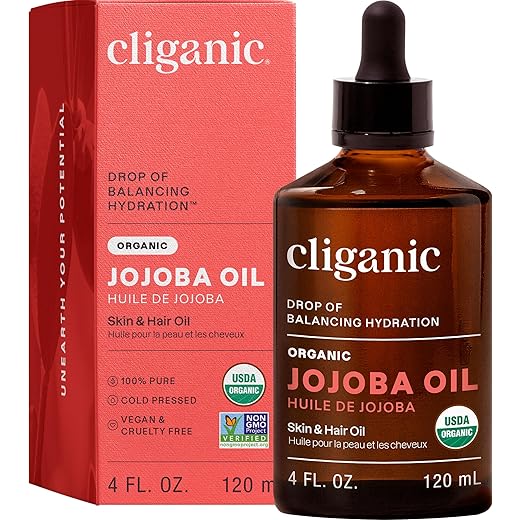
1. Cliganic Organic Jojoba Oil
Why It’s Worth It
Cliganic Organic Jojoba Oil is a simple and versatile option for daily beard care. It absorbs quickly, softens facial hair, and moisturizes the skin without leaving a noticeably greasy finish.
Its single-ingredient, fragrance-free formula is also suitable for people who prefer minimal grooming products.
Pros
- USDA Organic certified
- Lightweight and fast absorbing
- Fragrance-free
- Suitable for most beard types
- Can also be used on skin and hair
Cons
- No scented option
- Very dry beards may need more frequent application
Key Ingredient
Organic jojoba oil helps lock in moisture and keeps facial hair soft and manageable.
Who It’s For
Best for short or medium beards, sensitive skin, daily grooming, and first-time beard oil users.
How to Use
Apply two to four drops to a clean, slightly damp beard. Massage the oil into the skin first, then spread it through the beard with your fingers or a comb.
Cliganic Organic Jojoba Oil, 100% Pure (4oz) | Moisturizing for Face, Hair, Skin & Nails | Natural Cold Pressed Hexane Free | Base Carrier Oil
Read more: Cliganic Organic Jojoba Oil
2. Yoken Organic Jojoba Oil
Why It’s Worth It
Yoken Organic Jojoba Oil provides simple beard hydration at an affordable price. Its cold-pressed formula helps reduce dryness and keeps short or medium facial hair softer throughout the day.
It is a practical choice for anyone building a beard-care routine on a limited budget.
Pros
- Affordable
- Organic jojoba oil
- Lightweight texture
- Unscented
- Suitable for daily use
Cons
- Basic packaging
- No additional botanical ingredients
Key Ingredient
Cold-pressed jojoba oil moisturizes facial hair and the skin underneath without creating excessive buildup.
Who It’s For
Best for budget-conscious buyers, new beard growers, sensitive skin, and daily maintenance.
How to Use
Massage two or three drops into a clean beard and the skin underneath. Use once daily or whenever the beard feels dry.
Yoken Organic Jojoba Oil 16oz, USDA Certified Cold Pressed for Skin Care | Cold Pressed Body Oil Women After Shower Unscented Carrier Massage Moisturizer...
Read more: Yoken Organic Jojoba Oil
3. Palmer’s Cocoa Butter Formula Skin Therapy Oil
Why It’s Worth It
A beard may look healthy while the skin underneath remains dry and irritated. Palmer’s Skin Therapy Oil combines cocoa butter, argan oil, rosehip oil, and vitamin E to improve skin moisture and beard comfort.
Although it is mainly a facial oil, it can also help soften short or medium facial hair.
Pros
- Deeply moisturizes dry skin
- Contains several nourishing oils
- Absorbs relatively quickly
- Helps reduce flaky skin
Cons
- Contains fragrance
- Not specifically designed as beard oil
Key Ingredients
- Cocoa butter
- Argan oil
- Rosehip oil
- Sesame oil
- Vitamins C and E
Who It’s For
Best for dry skin, beard flakes, irritation, and short to medium beards.
How to Use
Apply two or three drops to the skin under your beard. Massage gently and spread any remaining oil through the facial hair.
4. The Ordinary 100% Plant-Derived Squalane
Why It’s Worth It
The Ordinary Plant-Derived Squalane offers moisture without the heavy feeling associated with richer oils. It absorbs quickly, leaves little residue, and works well on short beards or fine facial hair.
Its fragrance-free, single-ingredient formula is particularly suitable for oily or combination skin.
Pros
- Very lightweight
- Fast absorbing
- Fragrance-free
- Non-greasy finish
- Suitable for daily use
Cons
- May be too light for thick beards
- Small bottle size
Key Ingredient
Plant-derived squalane helps reduce moisture loss while maintaining a lightweight texture.
Who It’s For
Best for oily skin, combination skin, short beards, and people who dislike heavy oils.
How to Use
Apply two or three drops to a clean, slightly damp beard. Massage into the beard and skin, then comb through evenly.
5. Majestic Pure Vitamin E Oil
Why It’s Worth It
Frequent washing and environmental exposure can make facial hair feel dry or brittle. Majestic Pure Vitamin E Oil provides richer conditioning for rough beard hair and dry ends.
Its thick consistency makes it more suitable for medium, long, or coarse beards than very fine facial hair.
Pros
- Deeply conditions dry hair
- Helps improve softness
- Suitable for coarse beards
- Can also be used on skin and scalp
Cons
- Thick consistency
- Takes longer to absorb
- May feel heavy on fine hair
Key Ingredient
Vitamin E oil helps improve moisture retention and protects facial hair from everyday dryness.
Who It’s For
Best for dry, coarse, long, or damaged-looking beards.
How to Use
Warm one or two drops between your palms. Massage the oil through the beard, focusing on dry ends. Use daily or every other day.
6. Seven Minerals Ultra Pure Vitamin E Oil
Why It’s Worth It
Seven Minerals Ultra Pure Vitamin E Oil is a concentrated option for facial hair that remains rough after using lighter oils.
It provides long-lasting conditioning and is especially useful during cold weather or as an occasional overnight beard treatment.
Pros
- Intensive conditioning
- Suitable for very dry facial hair
- Helps soften coarse beards
- Only a small amount is needed
Cons
- Can feel sticky
- Easy to overapply
- Too heavy for oily skin
Key Ingredient
Vitamin E oil provides rich moisture for brittle, rough, or extremely dry facial hair.
Who It’s For
Best for thick beards, coarse hair, split ends, severe dryness, and winter beard care.
How to Use
Apply one or two drops from root to tip. Use it after washing or before bedtime as a deeper conditioning treatment.
7. Cliganic Organic Argan Oil
Why It’s Worth It
Cliganic Organic Argan Oil helps soften coarse or curly facial hair without the heaviness of concentrated vitamin E oil.
Its fatty acids and antioxidants improve smoothness, control frizz, and add a natural-looking shine.
Pros
- USDA Organic certified
- Lightweight texture
- Softens coarse hair
- Helps control beard frizz
- Suitable for beard, hair, and skin
Cons
- More expensive than basic oils
- Natural scent may not suit everyone
Key Ingredient
Organic argan oil contains fatty acids and vitamin E that condition rough facial hair and improve manageability.
Who It’s For
Best for thick, curly, coarse, or frizzy beards.
How to Use
Apply three to five drops to a clean beard. Massage the oil into the skin and distribute it through the hair using a beard comb.
8. Majestic Pure USDA Organic Jojoba Oil
Why It’s Worth It
Majestic Pure Organic Jojoba Oil offers the daily benefits of jojoba oil in a simple organic formula. It absorbs easily, keeps facial hair moisturized, and is gentle enough for regular use.
It is a suitable choice for buyers who want an organic product at a reasonable price.
Pros
- USDA Organic certified
- Cold-pressed formula
- Fragrance-free
- Lightweight and fast absorbing
- Suitable for sensitive skin
Cons
- No additional conditioning ingredients
- Plain packaging
Key Ingredient
Organic jojoba oil moisturizes both the beard and skin while helping prevent a greasy finish.
Who It’s For
Best for daily beard care, sensitive skin, beginners, and value-conscious shoppers.
How to Use
Massage two to four drops into a clean, slightly damp beard. Spread the oil from the roots to the ends.
Majestic Pure USDA Organic Jojoba Oil 100% Pure & Natural Body Oil -8 Fl Oz | Cold Pressed & Hexane Free Hair Growth Oil for Eyelashes, Eyebrows, Skin, Body,...
Read more: Majestic Pure USDA Organic Jojoba Oil
9. Wild Growth Hair Oil
Why It’s Worth It
Wild Growth Hair Oil was developed for scalp hair, but its rich blend can also condition thick facial hair. It helps soften stubborn strands and reduce the rough feeling common in long or coarse beards.
Because the formula is heavy, only a small amount should be used.
Pros
- Rich blend of natural oils
- Deeply conditions coarse hair
- Suitable for thick and long beards
- A small amount lasts a long time
Cons
- Heavy consistency
- Strong herbal scent
- Can feel greasy
- Not specifically made for beards
Key Ingredients
- Olive oil
- Coconut oil
- Jojoba oil
- Cocoa butter
- Rice bran oil
- Herbal extracts
Who It’s For
Best for thick, long, coarse, or extremely dry beards.
How to Use
Apply two or three drops and massage thoroughly into the beard. Comb through to prevent uneven buildup.
Key Takeaways
- Jojoba oil is a balanced choice for everyday beard care.
- Argan oil works well for coarse, curly, or frizzy facial hair.
- Squalane is suitable for oily skin and lighter beards.
- Vitamin E oil provides deeper conditioning for dry hair.
- Rich oil blends are more appropriate for thick or long beards.
- Start with only a few drops to prevent greasiness.
- Regular use is more important than applying a large amount.
Final Verdict: Choosing the Right Oil for Your Beard
The best facial hair oil should match your beard texture and skin type.
Cliganic Organic Jojoba Oil is our best overall pick because it provides balanced moisture without a heavy finish. Yoken Organic Jojoba Oil is a practical budget alternative, while The Ordinary Squalane works well for oily skin and short facial hair.
For coarse or frizzy beards, Cliganic Organic Argan Oil provides better softening. Men with extremely dry or thick beards may prefer the richer conditioning offered by Seven Minerals Vitamin E Oil or Wild Growth Hair Oil.
Whichever product you select, apply only a few drops consistently to keep your beard softer, smoother, and easier to manage.
Frequently Asked Questions
What Is the Best Facial Hair Oil?
Cliganic Organic Jojoba Oil is the best overall option for most users because it is lightweight, fragrance-free, and suitable for different beard and skin types.
Does Facial Hair Oil Help Beard Growth?
Beard oil does not create new hair follicles. However, it can reduce dryness and breakage, helping existing facial hair appear healthier and better maintained.
How Often Should You Use Beard Oil?
Most people can apply it once daily after showering. Extremely dry or coarse beards may benefit from a second light application.
Can You Use Beard Oil on Short Stubble?
Yes. Beard oil can moisturize the skin, reduce irritation, and make new facial hair feel less rough.
Which Ingredients Are Best for Beard Oil?
Common options include jojoba oil, argan oil, squalane, vitamin E, coconut oil, and olive oil. The best ingredient depends on your skin and beard texture.
Can Facial Hair Oil Clog Pores?
Heavy formulas may cause buildup when overapplied. Lightweight oils such as jojoba and squalane are generally better suited to oily or combination skin.
References:
- American Academy of Dermatology – A Dermatologist’s Top Tips for a Healthy Beard: https://www.aad.org/public/everyday-care/skin-care-secrets/face/healthy-beard
- Wholly Kaw – Beard Oil: What It Does, Why It Matters, and How to Choose: https://whollykaw.com/learn/beard-oil-guide
- The Beard Struggle – The Ultimate Beard Oil Guide: What It Is, Why It Works, and How to Apply It: https://www.thebeardstruggle.com/blog/beard-oil-guide