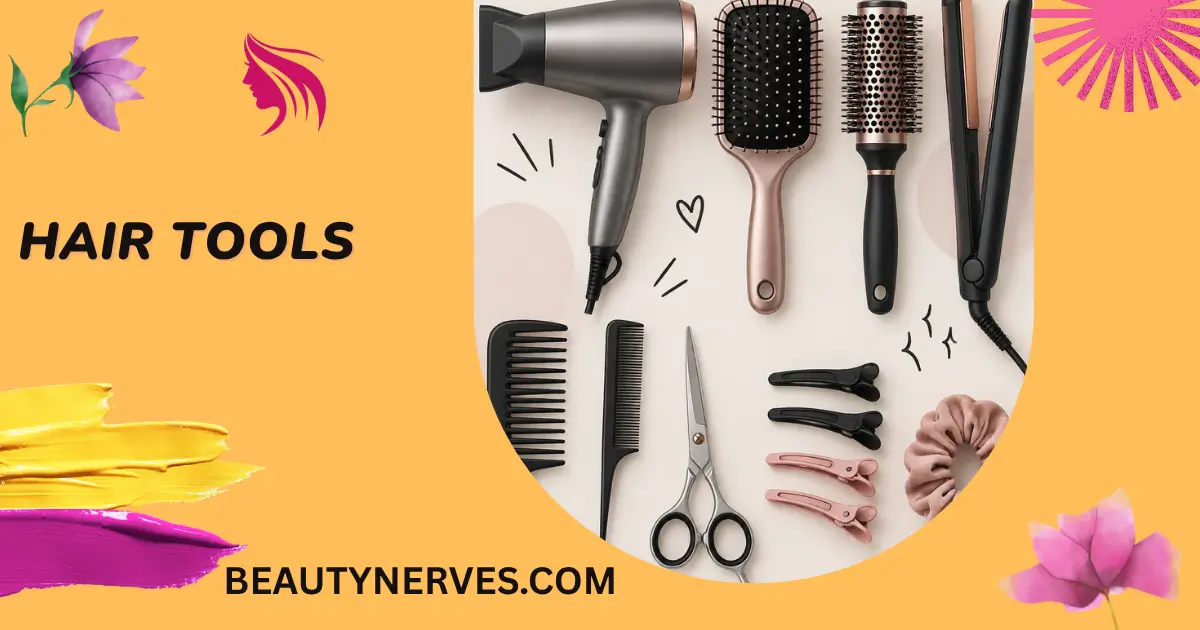
Your hairstyle often starts with the tools you use. The right hair tools can turn a simple routine into a salon-like experience at home. A quality brush can smooth tangles. A powerful dryer can create volume. A flat iron can give a sleek finish, while a curling iron can add texture and movement.
However, choosing the right styling tools is not always easy. Beauty stores are filled with hundreds of options, and every product promises better results. Many people buy popular tools without understanding whether they actually match their hair type.
The best hair tools are not always the most expensive ones. They are the ones that fit your needs.
Fine hair usually benefits from gentle heat settings and lightweight designs. Thick hair often needs stronger airflow and durable styling devices. Curly hair may require tools that help maintain definition while reducing frizz.
A smart hair tool collection can save time, improve styling results, and help you create different looks without visiting a salon every time.
This complete guide explains different types of hair tools, their uses, and how to choose the right options for healthy-looking, beautiful hair.
For a complete overview of essential styling devices, explore our main hair tools guide.
Before choosing styling products, it also helps to understand your natural texture. Learn more about your strands with our hair types and textures guide.
Affiliate Disclosure
Disclosure: This post contains affiliate links. If you purchase through these links, I may earn a small commission at no extra cost to you.
TL;DR:
Hair tools are designed for different styling needs. Some create smooth finishes, while others add curls, volume, or texture.
| Hair Tool | Best For | Main Benefit |
|---|---|---|
| Hair Brush | Detangling and everyday styling | Smooths hair and removes knots |
| Hair Dryer | Drying and creating volume | Speeds up styling time |
| Flat Iron | Sleek hairstyles | Creates smooth, straight looks |
| Curling Iron | Waves and curls | Adds shape and texture |
| Round Brush | Blowouts | Creates volume and movement |
| Blow Dryer Brush | Easy styling | Combines drying and brushing |
| Hair Cutting Tools | Trimming and shaping | Helps maintain hairstyles |
| Wet-to-Dry Tools | Faster routines | Styles damp hair efficiently |
Why Hair Tools Matter in Your Hair Care Routine
Hair tools do more than change your hairstyle. They affect how your hair looks, feels, and responds to styling.
The right tool gives you more control. It helps you create your preferred look while reducing unnecessary styling time.
A person who wants smooth, straight hair will need different tools from someone who wants natural curls or extra volume.
Before buying a new tool, ask yourself:
- What hairstyle do I create most often?
- How much time do I spend styling?
- Is my hair fine, thick, curly, or damaged?
- Do I need a single-purpose tool or a multi-functional device?
Understanding these questions helps you avoid buying tools that stay unused.
A strong hair routine starts with proper care. Explore more about essential haircare products that support your styling routine.
Main Categories of Hair Tools
Hair tools can be divided into several categories. Each tool has a specific purpose and works best for certain styling goals.
Hair Brushes
Hair brushes are some of the most important tools in any hair routine. They help remove knots, smooth strands, distribute natural oils, and prepare hair before styling.
Different brushes create different results.
A paddle brush works well for smoothing longer hair. A round brush helps create volume during blow drying. A detangling brush is often better for fragile or curly hair because it reduces pulling.
Choosing the right brush can improve your styling results and make your routine easier.
For detailed recommendations, explore our guide to the best hair brushes.
Types of Hair Brushes
Different brushes serve different purposes.
Paddle Brush
A paddle brush is designed for smoothing and everyday brushing. It works well for medium to long hair and helps create a polished finish.
Round Brush
A round brush is commonly used with a dryer to create volume, movement, and salon-style blowouts.
The barrel size affects the final result:
- Small barrels create tighter curls
- Medium barrels create natural movement
- Large barrels create smooth volume
Learn more about choosing the right option with our guide to the best round brush.
Detangling Brush
Detangling brushes are designed to remove knots gently. They are useful for curly, wavy, and fragile hair types.
Flat Irons
Flat irons are popular styling tools for creating smooth, straight hairstyles.
They work by using heated plates to reshape the hair temporarily. Many modern models include ceramic plates, adjustable temperatures, and features designed to distribute heat evenly.
The right flat iron depends on your hair texture.
Fine hair usually needs lower temperatures, while thick hair may require stronger heat settings.
Using excessive heat can make hair dry, so temperature control is an important feature.
Explore our recommendations for the best flat irons.
Hair Straighteners
Hair straighteners help create sleek, smooth hairstyles. Although they are similar to flat irons, different models may offer different designs and features.
Some are created for quick touch-ups, while others are designed for thick or long hair.
When choosing a straightener, look for:
- Adjustable temperature settings
- Comfortable grip
- Even heat distribution
- Suitable plate size
- Safety features
The right straightener can make styling faster and easier.
Read more about selecting the right device in our guide to the best hair straighteners.
Curling Irons
Curling irons help create waves, curls, and textured hairstyles.
The barrel size determines the curl pattern. Smaller barrels create tighter curls, while larger barrels create loose waves and volume.
When choosing a curling iron, consider:
- Hair length
- Curl style preference
- Heat settings
- Barrel material
- Ease of use
A quality curling iron can help you create different hairstyles, from soft beach waves to defined curls.
Explore our recommendations for the best curling irons.
How to Choose the Right Hair Tools
Choosing the right hair tools becomes easier when you understand your hair type and styling habits.
Consider Your Hair Type
Your natural texture plays a major role in selecting styling devices.
Fine hair often needs gentle heat and lightweight tools. Thick hair usually benefits from stronger performance. Curly hair may require tools that help maintain shape and reduce frizz.
Understanding your hair type helps you choose tools that work with your hair instead of against it.
Match Tools With Your Styling Goals
Different tools create different results.
For volume, a round brush and dryer may be useful.
For smooth styles, a flat iron or straightener may be better.
For waves and curls, a curling iron can provide more control.
The best hair tools are the ones that match your everyday needs.
Choose Adjustable Heat Settings
Heat control is one of the most important features in styling tools.
Adjustable temperatures allow you to choose a safer level for your hair condition.
Lower temperatures are often better for fine or damaged hair, while thicker hair may require higher settings.
Good styling is not about using maximum heat. It is about using the right amount of heat for your hair.
Best Hair Dryers for Fast and Professional Styling
Hair dryers are one of the most useful hair tools for everyday styling. They do more than remove moisture. The right dryer can help create volume, smooth frizz, and prepare your hair for other styling techniques.
A quality hair dryer gives you better control over your final hairstyle. With the right attachments and settings, you can create everything from a smooth blowout to a natural curly finish.
Modern hair dryers often include:
- Multiple heat settings
- Different speed options
- Cool shot buttons
- Concentrator nozzles
- Diffuser attachments
- Lightweight designs
The best hair dryer depends on your hair type and styling needs.
For detailed recommendations, explore our guide to the best hair dryers.
How to Choose a Hair Dryer
Choosing the right dryer depends on your hair texture and routine.
Fine Hair
Fine hair needs gentle heat and controlled airflow. A lightweight dryer with lower temperature settings can help prevent unnecessary dryness.
Look for:
- Adjustable heat options
- Gentle airflow
- Lightweight body
- Heat protection features
Thick Hair
Thick hair often takes longer to dry. A powerful motor and stronger airflow can reduce drying time.
Look for:
- High airflow speed
- Multiple heat settings
- Durable design
- Comfortable handling
Curly Hair
Curly hair often benefits from diffuser attachments because they help dry curls while maintaining their natural shape.
A good dryer can help reduce frizz while improving curl definition.
Best Round Brushes for Salon-Style Blowouts
Round brushes are essential styling tools for creating volume, movement, and smooth finishes.
They work together with a hair dryer. The brush lifts the hair while heat helps shape and smooth each section.
The size of the brush barrel changes the final look.
- Small barrels create tighter curls
- Medium barrels create natural movement
- Large barrels create soft volume and smooth waves
A round brush is especially useful for people who want a professional-looking blowout at home.
Learn more about choosing the right option with our guide to the best round brush.
Benefits of Using a Round Brush
A round brush can help:
- Add volume at the roots
- Smooth flyaways
- Create movement
- Shape bangs
- Improve blowout results
Technique is important when using a round brush. Working with smaller sections usually creates better control and smoother results.
Blow Dryer Brushes: A Simple Styling Tool
Blow dryer brushes combine drying and brushing into one device.
They have become popular because they simplify the styling process. Instead of using a separate dryer and brush, you can complete both steps with one tool.
These tools are useful for creating:
- Smooth blowouts
- Soft waves
- Root volume
- Polished everyday hairstyles
A blow dryer brush can be a great option for beginners because it requires fewer steps.
However, people with very thick or coarse hair may still prefer a traditional dryer with stronger airflow.
Explore more options in our guide to the best blow dryer brush.
Who Should Use a Blow Dryer Brush?
A blow dryer brush may be ideal for:
- Beginners
- Busy people
- Medium-length hair users
- People who enjoy smooth blowouts
It may not replace a professional dryer for everyone. Your hair thickness and styling goals should guide your decision.
Wet-to-Dry Hair Tools for Faster Styling
Wet-to-dry hair tools are designed to style damp hair while drying it at the same time.
These tools are popular because they reduce the number of steps in a styling routine.
Instead of drying your hair first and styling afterward, wet-to-dry devices combine both processes.
They can help create:
- Straight hairstyles
- Smooth finishes
- Soft volume
- Everyday polished looks
The biggest advantage is convenience. They are useful for people who want to save time in the morning.
However, always follow the product instructions because different tools are designed for different levels of dampness.
Learn more about these devices in our guide to wet-to-dry hair tools.
Benefits of Wet-to-Dry Styling Tools
These tools can help:
- Reduce styling steps
- Save time
- Create smooth finishes
- Simplify daily routines
They are especially useful for people who want efficient styling without using multiple devices.
Crimper Hair Tools for Texture and Volume
Crimper hair tools create small waves and texture throughout the hair.
They became popular for creating retro-inspired hairstyles but are still used today for adding volume and unique texture.
A crimper can help create:
- Root volume
- Textured hairstyles
- More body
- Creative styles
This tool works by pressing sections of hair between heated plates with a patterned surface.
Because crimpers apply direct heat, using heat protection is important.
Read more about this styling option in our guide to the crimper hair tool.
How to Use a Hair Crimper
For better results:
- Start with dry hair.
- Apply a heat protectant.
- Divide hair into small sections.
- Avoid holding the tool on one area too long.
- Finish with a lightweight styling product.
A crimper is not necessary for everyone, but it can be useful when you want extra texture or volume.
Hair Cutting Tools for Maintaining Hairstyles
Hair cutting tools are designed for trimming, shaping, and maintaining different hairstyles.
Professional hairstylists use specialized equipment, but some basic tools can help with simple maintenance at home.
Common hair cutting tools include:
- Hair scissors
- Thinning scissors
- Hair clippers
- Razors
- Sectioning clips
- Styling combs
Using the right tool is important because regular household scissors can create uneven cuts and damage hair ends.
Quality cutting tools provide better control and cleaner results.
Explore more information with our guide to hair cutting tools.
Should You Cut Hair at Home?
At-home trimming may work for:
- Removing small amounts of length
- Maintaining bangs
- Cleaning up simple styles
However, major haircuts and complex techniques usually require professional skills.
The right tools help, but proper technique matters just as much.
Popular Hair Tool Brands to Know
Many beauty brands create hair styling tools for different needs and budgets.
Some brands focus on advanced technology, while others create practical tools for everyday styling.
Calista Hair Tools
Calista hair tools are designed for creating volume, texture, and professional-inspired hairstyles.
The brand offers styling solutions for people who want more control over their everyday looks.
These tools are often chosen by users who want polished results without complicated techniques.
Learn more about the brand in our guide to Calista hair tools.
Dyson Hair Tools
Dyson hair tools are known for their modern designs and advanced engineering.
The brand focuses on airflow technology, styling performance, and versatile devices.
Many users choose Dyson products because they offer multiple styling functions in premium designs.
Explore more details in our guide to Dyson hair tools.
Hot Tools Hair Dryers
Hot Tools creates styling devices designed for everyday users and professional-inspired results.
The brand offers products including hair dryers, curling tools, and other styling equipment.
Hot Tools hair dryers are popular among people looking for practical features and reliable performance.
Read more about these options in our guide to Hot Tools hair dryers.
Shark Hair Tools
Shark hair tools are known for combining convenience with versatile styling features.
Many products focus on helping users create multiple hairstyles with fewer devices.
They are often chosen by people who want flexible styling options at home.
Learn more about these products in our guide to Shark hair tools.
Hair Tools Comparison Table
| Hair Tool | Best For | Main Benefit | Things to Consider |
|---|---|---|---|
| Hair Dryer | Drying and styling | Faster drying and volume | Choose the right airflow |
| Flat Iron | Smooth styles | Creates sleek finishes | Avoid excessive heat |
| Curling Iron | Curls and waves | Adds texture | Select correct barrel size |
| Round Brush | Blowouts | Adds volume | Requires technique |
| Blow Dryer Brush | Easy styling | Combines two tools | May not suit very thick hair |
| Wet-to-Dry Tool | Busy routines | Saves time | Follow instructions carefully |
| Crimper | Texture | Adds body and volume | Best for occasional styling |
Hair Tools Buying Guide: How to Choose the Right Styling Tools
Choosing the right hair tools is not only about buying the newest device. The best tool is the one that matches your hair type, styling habits, and everyday needs.
A professional-quality tool may be useful for someone who styles hair daily, while a simple and affordable option may work better for someone who styles occasionally.
Before investing in a new hair tool, consider your routine, your hair condition, and the results you want to achieve.
Consider Your Hair Type Before Buying
Your hair texture plays an important role in choosing styling equipment.
Hair Tools for Fine Hair
Fine hair is more sensitive to heat and heavy styling.
The best tools for fine hair usually include:
- Adjustable temperature controls
- Lightweight designs
- Gentle airflow settings
- Ceramic heating technology
Avoid using high heat regularly because fine strands can become dry and fragile.
Hair Tools for Thick Hair
Thick hair often requires stronger tools that can handle more volume.
Look for:
- Powerful motors
- Higher airflow
- Wider plates
- Larger brush barrels
- Multiple heat settings
The goal is to style efficiently without repeatedly applying heat.
Hair Tools for Curly Hair
Curly hair often needs tools that help maintain moisture and definition.
Useful features include:
- Diffuser attachments
- Low heat settings
- Gentle airflow
- Frizz-control technology
Choosing the right tools can help enhance natural curls instead of changing their structure.
Match Hair Tools With Your Styling Goals
Different styling goals require different tools.
For Straight Hairstyles
If you prefer sleek, smooth hairstyles, consider:
- Flat irons
- Hair straighteners
- Wet-to-dry straightening tools
These tools help create polished finishes and reduce unwanted frizz.
For Volume and Blowouts
For fuller-looking hair, useful tools include:
- Round brushes
- Blow dryer brushes
- Professional hair dryers
These tools help lift the roots and create movement.
For Curls and Waves
If you enjoy textured hairstyles, choose:
- Curling irons
- Curl wands
- Crimpers
The barrel size and heat settings determine the final result.
Look for Adjustable Heat Settings
Heat control is one of the most important features in hair styling tools.
A tool with adjustable temperatures allows you to customize heat based on your hair condition.
Lower heat settings are often better for:
- Fine hair
- Damaged hair
- Color-treated hair
Higher settings may work better for:
- Thick hair
- Coarse hair
- Hard-to-style textures
Using the right temperature helps create better results while reducing unnecessary stress on your hair.
Think About How Often You Style Your Hair
Your styling frequency should influence your buying decision.
Daily Styling
If you use styling tools every day, focus on:
- Durability
- Comfortable handling
- Multiple settings
- Heat protection features
Occasional Styling
If you only style your hair for events, a versatile tool may be a smarter choice.
A multi-functional device can help you create different hairstyles without buying several products.
Hair Tools Comparison: Important Differences
Understanding how tools compare makes shopping easier.
Flat Iron vs Hair Straightener
| Feature | Flat Iron | Hair Straightener |
|---|---|---|
| Main Purpose | Straightening and smoothing | Straightening and styling |
| Best For | Sleek hairstyles | Everyday styling |
| Styling Options | Can create waves and curls | Often focused on straight styles |
| Heat Control | Usually adjustable | Depends on model |
Both tools can create smooth hairstyles. The better option depends on your preferred styling routine.
Hair Dryer vs Blow Dryer Brush
| Feature | Hair Dryer | Blow Dryer Brush |
|---|---|---|
| Main Purpose | Drying hair | Drying and styling |
| Learning Curve | Requires brush technique | Easier for beginners |
| Volume | Depends on technique | Creates volume more easily |
| Best For | Flexible styling | Quick everyday looks |
A traditional dryer offers more control, while a blow dryer brush provides convenience.
Curling Iron vs Crimper Hair Tool
| Feature | Curling Iron | Crimper |
|---|---|---|
| Styling Result | Curls and waves | Texture and volume |
| Best Use | Everyday curls | Creative hairstyles |
| Versatility | Higher | More specialized |
A curling iron is usually more versatile, while a crimper is better for adding texture.
Round Brush vs Paddle Brush
| Feature | Round Brush | Paddle Brush |
|---|---|---|
| Main Purpose | Volume and blowouts | Smoothing |
| Works With | Hair dryer | Everyday brushing |
| Creates | Movement and shape | Sleek finish |
Many people keep both because they serve different purposes.
Premium Hair Tools vs Budget Hair Tools
| Feature | Premium Tools | Budget Tools |
|---|---|---|
| Price | Higher investment | More affordable |
| Features | Advanced technology | Basic functions |
| Durability | Often designed for frequent use | Depends on quality |
| Best For | Regular stylers | Occasional users |
The best choice depends on your needs rather than price alone.
Best Hair Tools Based on Your Needs
Best Overall Hair Tools
The best overall hair tools are usually versatile devices that can handle multiple styling tasks.
They are useful for people who want:
- More styling options
- Faster routines
- Fewer devices
- Easy storage
Multi-functional tools can be a practical choice for smaller spaces or busy lifestyles.
Best Hair Tools for Beginners
Beginners often need simple tools that are easy to control.
Good options include:
- Blow dryer brushes
- Basic straighteners
- Simple curling tools
Tools with fewer complicated settings can make learning easier.
Best Hair Tools for Professionals
Professional users often need tools that provide:
- Strong performance
- Long-lasting durability
- Precise control
- Multiple heat options
Professional styling tools are designed for frequent use and demanding routines.
Hair Tool Maintenance Tips
Taking care of your styling tools helps them perform better and last longer.
Clean Your Brushes Regularly
Hair brushes collect:
- Loose hair
- Dust
- Product buildup
Remove debris regularly to keep your brush clean and effective.
Clean Heated Styling Tools
Flat irons and curling irons can collect styling product residue.
Always clean tools after they cool down.
Avoid using harsh cleaning methods that may damage the surface.
Store Tools Correctly
Proper storage prevents unnecessary damage.
Avoid:
- Wrapping cords too tightly
- Storing hot tools immediately
- Keeping tools near water
A safe storage routine helps protect your investment.
Common Hair Tool Mistakes to Avoid
Many styling problems happen because tools are used incorrectly.
Using Too Much Heat
Higher heat does not always create better results.
Use the lowest temperature that achieves your desired hairstyle.
Skipping Heat Protection
Heat protectants are important when using heated styling tools.
They create a protective layer between your hair and direct heat.
Using the Wrong Tool for Your Hair Type
A tool that works well for one person may not work for another.
Consider your hair texture, length, and styling goals before buying.
Styling Wet Hair With the Wrong Device
Not every tool is designed for wet hair.
Using unsuitable tools on damp hair may affect results and increase stress on strands.
Wet-to-dry tools are specifically designed for damp hair styling.
Frequently Asked Questions
What hair tools should beginners buy first?
Beginners should start with basic tools like a quality brush, hair dryer, and one styling device that matches their preferred hairstyle.
Are expensive hair tools better?
Expensive tools may include advanced features and premium designs, but the best option depends on your needs and budget.
Can hair tools damage your hair?
Hair tools can contribute to dryness when used incorrectly. Proper heat settings and protective products can help reduce damage.
Which hair tool is best for volume?
Round brushes, blow dryer brushes, and volumizing dryers are commonly used to create fuller-looking hairstyles.
Are wet-to-dry hair tools safe?
Wet-to-dry tools are designed for damp hair when used correctly. Always follow the instructions provided with your device.
How often should hair tools be replaced?
Replace tools when they stop working properly, show damage, or no longer provide consistent performance.
Key Takeaways
- The best hair tools depend on your hair type and styling goals.
- Different tools create different results.
- Adjustable heat settings are important for safer styling.
- Brushes, dryers, straighteners, and curling tools serve different purposes.
- Investing in the right tools can save time and improve your routine.
- Proper maintenance helps styling tools last longer.
Final Verdict
Hair tools are an important part of modern styling routines. The right devices can help you create smooth hairstyles, beautiful curls, added volume, and professional-inspired looks at home.
There is no single hair tool that works perfectly for everyone.
The best choice depends on your hair texture, styling preferences, and how often you use styling devices.
Start with tools that solve your biggest styling challenges. A reliable brush, a quality dryer, and one styling tool that matches your routine can create a strong foundation.
Whether you want sleek straight hair, soft waves, natural curls, or a voluminous blowout, choosing the right hair tools can make your styling routine easier and more enjoyable.
References
Allure — Hair Tools: Best Styling Tools, Guides & Trends
https://www.allure.com/topic/hair-tools
Byrdie — The 17 Best Hair Styling Tools for Salon-Level Results
https://www.byrdie.com/hair-styling-tools-4172910
Good Housekeeping — The Hair Tools That Will Change Your Life (and How to Use Them)
https://www.goodhousekeeping.com/beauty/hair/a35085561/guide-to-hair-styling-techniques/
Good Housekeeping — 10 Best Hair Styling Tools and Appliances According to Hair Pros
https://www.goodhousekeeping.com/what-to-buy/beauty-products/g34763170/best-hairstyling-tools/
Allure — 6 Best Hair-Dryer Brushes for Easy At-Home Blowouts
https://www.allure.com/gallery/best-hair-dryer-brushes