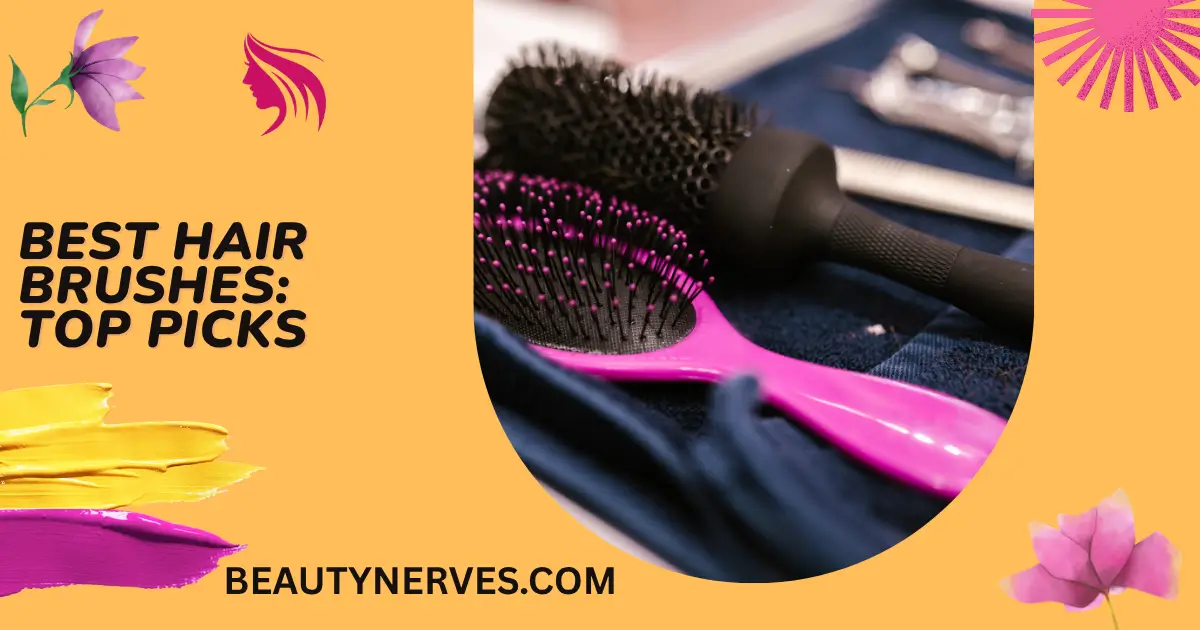
A hair brush looks simple until the wrong one turns a small knot into a painful battle. Some brushes pull wet hair. Others flatten curls, scratch the scalp, or create more frizz than they remove.
The best hair brushes work differently. They flex around tangles, match your texture, and help you style without unnecessary pulling.
I compared seven popular options for wet hair, curls, blowouts, thick strands, children, and travel. One is heated, while the others focus on gentle brushing or curl definition.
Whether your mornings involve stubborn knots or rushed styling, there is a practical brush here for your routine and budget.
Before choosing a brush, it helps to understand how your complete hair routine works together. A good brush is only one part of healthy styling habits. Explore the full hair care guide to understand how cleansing, conditioning, detangling and styling steps work together.
Your brush choice should also match your hair texture. Straight, wavy, curly and coily hair all react differently to brushing techniques. Learning about hair types and textures can help you choose a brush that supports your natural pattern instead of fighting it.
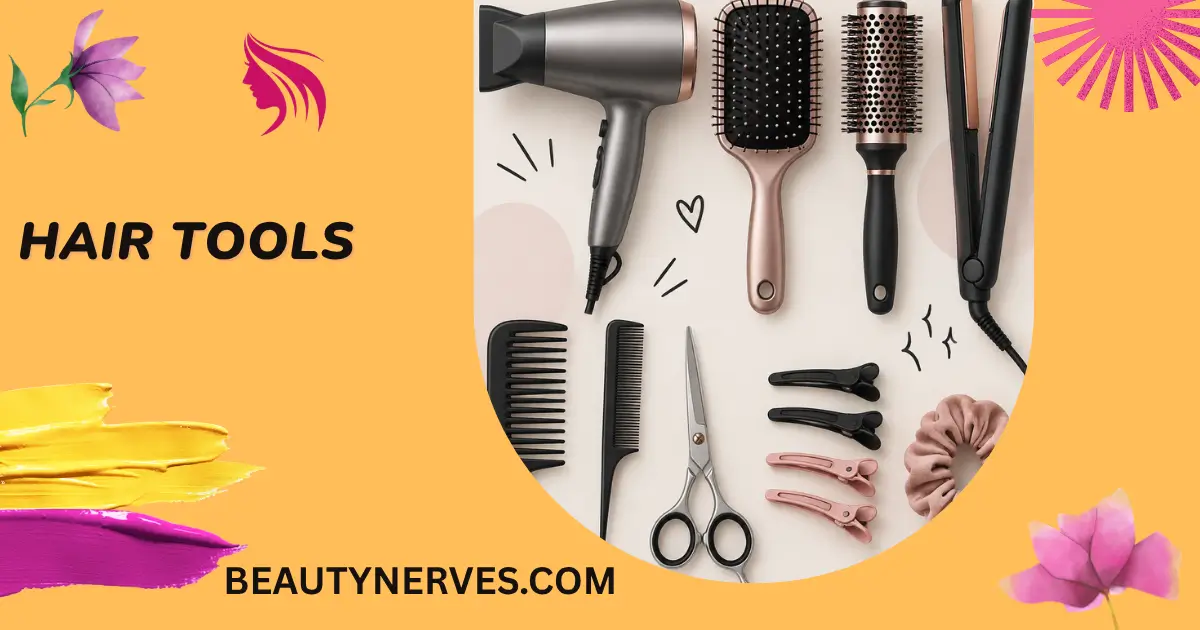
For people building a complete styling routine, brushes are part of a larger collection of products and devices. You can explore different hair tools to find options for detangling, heat styling, drying and finishing your look.
Curly hair especially needs the right balance between detangling and definition. A brush that works on straight hair may create frizz or disrupt curl patterns. Understanding your curl routine through resources like curly hair care can make styling easier.
If your goal is smoother results, preparation matters before brushing. Products such as conditioners, leave-in treatments and styling creams can improve slip and reduce unnecessary pulling. A helpful starting point is learning about haircare products and how they fit into your routine.
The right brush depends on your main goal:
- Removing knots without pain
- Defining curls
- Creating a smooth blowout
- Adding volume
- Styling thick or long hair
- Carrying a compact option while traveling
Table of Contents
TL;DR:
Need the answer without reading every review?
Here are the best choices for different hair types and routines.
- Best overall: Wet Brush Original Detangler
- Best flexible detangling brush: Kitsch Flexi Flow Detangler Brush
- Best heated styling brush: Wavytalk Thermal Brush Blowout Boost 1.5″
- Best for affordable curl definition: Tcsxady Curly Hair Brush
- Best curl-defining paddle brush: Candybrush Curl Defining Brush
- Best for thick or long hair: Conair Paddle Hair Brush
- Best travel brush: Wet Brush Squirt Detangling Brush
The right brush should solve a real problem in your routine.
These reviews explain the benefits, limitations, materials and proper use of every option.
1. Wet Brush Original Detangler: Best Overall Hair Brush
The Original Detangler is built for gentle everyday brushing.
Its flexible bristles move through knots instead of pulling hard against them.
Why It’s Worth It
Flexible IntelliFlex bristles move through wet or dry tangles with less pulling. Its simple, lightweight design suits most hair types, sensitive scalps, adults, children and everyday brushing routines.
A gentle detangling routine works best when paired with enough moisture and slip. People with dry or fragile strands can also explore options like a leave-in conditioner guide to make brushing smoother and reduce unnecessary tension.
Pros
- Works on wet or dry hair
- Flexible IntelliFlex bristles
- Gentle on the scalp
- Helps reduce pulling and snagging
- Suitable for many hair textures
- Lightweight construction
- Comfortable handle
- Easy for beginners
- Available in several colors and designs
- Useful for adults and children
- Good value for daily use
Cons
- Flexible bristles may struggle with very dense hair
- Not designed for blow-drying
- Can flatten carefully formed curls
- Bristles may bend with rough handling
- Product residue can collect around the bristle base
- Does not add the tension needed for sleek blowouts
- Decorative versions may cost more
Who It’s For
This is the best overall option because it is easy to use and suitable for many routines.
It works well for:
- Straight hair
- Wavy hair
- Loose curls
- Fine or normal hair
- Sensitive scalps
- Children who dislike painful brushing
- Wet hair after washing
- Everyday dry-hair detangling
- People who want a simple brush
Very thick or tightly coiled hair may require sectioning and a detangling product.
For people managing curls, choosing the right brushing method is important. A suitable curly hair routine can help maintain definition while reducing frizz and unnecessary brushing stress.
How to Use
Divide thick or tangled hair into sections. Start several inches above the ends rather than placing the brush at the roots.
Brush the ends first. Once they are clear, move slightly higher and repeat. Continue until you can brush smoothly from roots to ends.
When working on wet hair, apply conditioner or leave-in detangler for extra slip. Hold the section above the knot to reduce pressure on your scalp.
Do not use the Original Detangler directly with a hot blow dryer. Strong heat may damage its flexible bristles.
2. Kitsch Flexi Flow Detangler Brush: Best for Scalp Comfort
The Kitsch Flexi Flow has a brush frame that bends with your head.
Its open structure also allows air and water to move through easily.
Why It’s Worth It
Its flexible frame follows the scalp while smooth bristles reduce tension around knots. The vented, recyclable design works on damp or dry straight, wavy, curly and coily hair.
A comfortable detangling brush is especially helpful for people who deal with frequent knots. Pairing gentle brushing with the right washing routine, including a suitable shampoo guide, can improve manageability from the start.
Pros
- Flexible brush frame
- Comfortable on the scalp
- Smooth detangling bristles
- Works on wet and dry hair
- Suitable for multiple curl patterns
- Vented structure
- Easy to rinse in the shower
- Ergonomic handle
- Helps distribute conditioner
- Lightweight design
- Made as a recyclable one-piece brush
Cons
- Flexible frame may feel too soft on dense hair
- Does not create strong curl tension
- Open design can spread out under pressure
- Not as compact as a mini detangler
- Bristles may not reach the scalp through very thick hair
- Does not polish hair like boar bristles
- May require several passes through tight knots
Who It’s For
Choose this brush if scalp comfort matters as much as removing knots.
It is particularly useful for:
- Tender or sensitive scalps
- Straight and wavy hair
- Curly and coily textures
- Shower detangling
- People who apply conditioner with a brush
- Damp-hair styling
- Users who dislike rigid paddle brushes
- People wanting an easy-to-rinse design
Those who need strong tension for blow-drying may prefer the Conair Paddle Brush or another firmer styling brush.
How to Use
Apply conditioner, leave-in spray or another slippery detangling product. Separate thick hair into sections.
Hold one section near the ends. Brush gently from the bottom upward, allowing the frame to flex instead of forcing it through a knot.
In the shower, use the brush to spread conditioner after removing major tangles with your fingers. Rinse the brush thoroughly afterward.
Shake off extra water and store it in an open area where it can dry. Remove trapped hair regularly to keep the bristles clean.
3. Wavytalk Thermal Brush Blowout Boost 1.5″: Best Heated Styling Brush
Blowout Boost is a heated round brush, not a regular detangling brush.
It shapes dry hair into a smooth blowout with body, bends and soft curls.
Why It’s Worth It
Its 1.5-inch ceramic barrel, dual heaters and ionic technology create volume, smooth ends and loose curls. Five temperatures provide better control for different dry hair types and textures.
Heat styling works best when combined with protection and proper technique. Before using heated tools regularly, learning about heat protection for hair can help create safer styling habits.
Pros
- Creates blowout-style volume
- Smooths frizz and flyaways
- 1.5-inch ceramic-coated barrel
- Five adjustable heat settings
- Temperature range from 300°F to 420°F
- Dual PTC heating elements
- Ionic technology
- Snag-resistant bristles
- 30-second heat-up
- Universal voltage
- Lightweight for a heated brush
- Includes two sectioning clips
Cons
- Must only be used on dry hair
- Cannot replace a blow dryer
- Not intended for basic wet detangling
- Heat can damage hair when misused
- Does not create tight ringlets
- Large barrel is awkward on very short hair
- More expensive than manual brushes
- Requires electricity
Who It’s For
This heated brush is for people who want a polished blowout after their hair is already dry.
It is suitable for:
- Fine hair needing volume
- Medium-length cuts
- Long hair
- Straight or wavy hair
- Frizz-prone strands
- People who want curved ends
- Second-day hair refreshes
- Beginners who struggle with a round brush and dryer
- Users wanting loose curls
It is not the right tool for children, wet hair or basic shower detangling.
For users who enjoy styling at home, combining the right brush with other hair styling tools can make routines faster and more consistent.
How to Use
Dry your hair completely. Apply heat protectant, detangle with a regular brush and divide the hair into sections.
Choose the lowest effective heat setting. Place the brush underneath a section near the roots and hold briefly to create lift.
Slowly pull the brush through while rotating the barrel. Wrap the ends around it for a few seconds to create a smooth bend.
For face-framing volume, turn the brush away from your face. Let each section cool before brushing it out.
4. Tcsxady Curly Hair Brush: Best Affordable Curl Brush
The Tcsxady brush uses a vented shape and flexible nylon bristles.
It is designed to detangle while helping wet curls form more organized sections.
Why It’s Worth It
Its vented body, nylon bristles and ergonomic handle offer affordable curl styling. It can detangle damp hair, spread curl cream and encourage smoother clumps without complicated attachments or electricity.
Curl definition depends on more than just the brush. The right products can improve slip and reduce frizz during styling. People with textured hair may also benefit from learning about best products for curly hair to build a better routine.
Pros
- Affordable curl-styling option
- Vented brush body
- Flexible nylon bristles
- Lightweight construction
- Ergonomic handle
- Works on wet or dry hair
- Can help form curl clumps
- Useful for distributing curl products
- Suitable for waves and curls
- Vents support faster air movement
- Simple manual design
Cons
- Limited official product documentation
- Materials may vary between sellers
- Less established than Wet Brush or Conair
- No strong independent performance testing
- Firm brushing may stretch curls
- Not ideal for dry brushing tight curls
- Quality control may vary
- Warranty information can be unclear
Who It’s For
This brush is for budget-conscious users who want to experiment with curl definition.
It can work for:
- Wavy hair
- Loose curls
- Medium curl patterns
- Wet curl styling
- People who use curl cream or gel
- Users wanting a vented brush
- Anyone learning brush styling
- People who need an affordable option
Dense coils may require smaller sections and more slip. Avoid brushing dry curls unless you intentionally want extra volume and less definition.
People with curly textures often need a complete routine that includes moisture, styling and maintenance. A guide on curly hair care can help explain how brushing fits into a larger routine.
How to Use
Begin with wet or very damp hair. Apply leave-in conditioner, curl cream, mousse or gel according to your routine.
Divide the hair into sections. Brush through each section from underneath while creating slight tension.
Turn the brush away from the scalp as you reach the ends. This encourages the strands to group into ribbons.
Shake or scrunch each section after brushing. Allow it to air-dry or use a diffuser on low airflow.
Do not continue brushing once a section starts drying. Disturbing partly dry curls can create frizz.
5. Candybrush Curl Defining Brush: Best Mixed-Bristle Curl Brush
Candybrush combines nylon pins with boar-style bristles on a cushioned paddle.
It is designed to detangle, smooth and shape curly hair during wet styling.
Why It’s Worth It
Its nylon and boar bristles combine detangling with smoothing, while the cushioned base supports scalp comfort. The brush works across wet, dry, straight, curly and textured hair types.
Curl styling works best when brushing technique matches the hair pattern. For people managing dryness or rough texture, adding moisture-focused products such as a deep conditioning treatment can help improve softness before styling.
Pros
- Combination of nylon and boar bristles
- Detangles and smooths together
- Cushioned paddle base
- Helps distribute natural oils
- Can define wet curls
- Suitable for several hair textures
- Works on wet or dry hair
- Ergonomic non-slip handle
- Can be used during blow-drying
- Travel-friendly size
- Gift-style packaging
- Available in several colors
Cons
- Boar bristles may not suit vegan buyers
- Dense bristles can collect styling product
- Requires frequent cleaning
- May create too much tension on fragile curls
- Dry brushing can separate curl clumps
- Firm bristles may not suit sensitive scalps
- Curl definition requires proper technique
- Manufacturer page has limited independent evidence
Who It’s For
Choose Candybrush if you want more smoothing and tension than a very flexible detangling brush provides.
It is useful for:
- Wavy and curly hair
- Thick hair
- Hair that becomes frizzy after brushing
- Wet curl definition
- Smoothing ponytails
- Distributing styling cream
- Gentle blow-drying
- Wigs and extensions when brushed carefully
- People who prefer mixed bristles
People with severe scalp sensitivity may prefer the softer Wet Brush or Kitsch option.
How to Use
For detangling, apply conditioner or leave-in product and begin at the ends. Move upward gradually.
For curl definition, work on wet hair. Apply curl cream or gel and divide the hair into narrow sections.
Brush each section with light tension. Turn the brush slightly as it reaches the ends, then scrunch the curl group upward.
For smoothing, brush gently from roots toward the ends so the mixed bristles can spread oils or product. Clean trapped hair and product frequently.
6. Conair Paddle Hair Brush: Best for Thick or Long Hair
Conair’s wide paddle design covers more hair with each stroke.
Its cushioned base and ball-tipped nylon bristles make everyday brushing more comfortable.
Why It’s Worth It
The wide paddle covers long, thick sections quickly, while ball-tipped nylon bristles and a cushioned base reduce harsh scalp pressure. It suits detangling, smoothing and blow-dry preparation.
People with thick or long hair often need tools that save time without creating unnecessary pulling. Choosing the right brush is one part of a complete hair routine that supports easier styling.
Pros
- Wide paddle head
- Fast coverage on long hair
- Ball-tipped nylon bristles
- Flexible cushioned base
- Comfortable handle
- Works on wet or dry hair
- Suitable for thick hair
- Useful before blow-drying
- Helps create smooth, straight styles
- Affordable and widely available
- Easy for everyday brushing
Cons
- Large head is awkward on short hair
- Can disrupt natural curl patterns
- Bristles may struggle with very tight coils
- Not designed for curl definition
- Hair can collect around the cushion
- Some models have different materials
- Rough brushing can still cause breakage
- Less portable than mini brushes
Who It’s For
A paddle brush makes sense when speed and full-head smoothing matter more than curl shaping.
It is best for:
- Medium to long hair
- Thick or dense hair
- Straight hair
- Wavy hair
- Everyday brushing
- Blow-dry preparation
- Smoothing ponytails
- People who want broad coverage
- Users who find small brushes too slow
Dry brushing naturally curly hair may create more volume and frizz. Use it on curls only when that is your desired result.
How to Use
Separate very thick hair into two or more layers. Begin at the ends and gradually work toward the roots.
Use short, controlled strokes around knots. Do not pull the brush through resistance.
For blow-drying, point the dryer down the hair shaft and follow the paddle brush from roots to ends. Keep the dryer moving to prevent overheating.
Remove loose hair from the cushion after each use. Wash according to the manufacturer’s instructions and let the brush dry with the bristles facing downward.
7. Wet Brush Squirt Detangling Brush: Best for Travel
The Squirt is the compact version of Wet Brush’s detangling design.
Current versions may be sold under the simpler name Mini Detangler.
Why It’s Worth It
This compact detangler brings flexible IntelliFlex bristles to travel bags, gym kits and smaller hands. It handles wet or dry knots gently without taking over limited bathroom storage space.
Travel-sized tools work best when paired with a simple maintenance routine. Carrying lightweight essentials, such as products from a practical haircare products guide, can help keep hair manageable away from home.
Pros
- Compact, travel-friendly size
- Flexible IntelliFlex bristles
- Works on wet or dry hair
- Gentle on the scalp
- Suitable for all hair types
- Easy for small hands
- Useful for children
- Fits in gym bags and purses
- Lightweight design
- Helpful for quick touch-ups
- Affordable backup brush
Cons
- Small head takes longer on thick hair
- Handle may feel short in large hands
- Not intended for blow-drying
- Cannot create strong styling tension
- Flexible bristles may not reach dense roots
- Easier to misplace than a full-size brush
- Not ideal as the only brush for very long hair
Who It’s For
This brush is designed for portability rather than maximum coverage.
It suits:
- Travelers
- Children
- Small hands
- Gym bags
- School bags
- Handbags
- Post-swim detangling
- Fine to medium hair
- Quick dry-hair touch-ups
- People wanting a backup brush
Users with thick, long or tightly coiled hair may prefer a full-size brush for home and keep the Squirt for emergencies.
How to Use
Separate tangled hair into manageable sections. Brush the ends first and work upward.
Use light pressure and allow the bristles to flex. If the brush stops, remove it and approach the knot from a different angle.
For post-swim hair, rinse away chlorine or salt water before brushing. Add leave-in detangler if needed.
Clean the mini brush regularly because lint, oil and loose strands can gather quickly in a small bristle area. Do not expose it directly to strong blow-dryer heat.
Five Comparisons Between the Best Hair Brushes
Choosing becomes easier when similar brushes are compared side by side.
These differences help you select the right brush for your hair type, routine and styling goals.
1. Wet Brush Original Detangler vs Kitsch Flexi Flow
Both brushes focus on gentle detangling and reducing pulling.
The main difference is the brushing experience.
Choose the Wet Brush Original Detangler if you want a classic everyday brush with flexible IntelliFlex bristles and a familiar handle. Choose the Kitsch Flexi Flow if you prefer a flexible frame that moves with your scalp and works well during shower detangling.
People with sensitive scalps may also benefit from choosing products that support gentle care habits. A complete routine, including proper washing and conditioning, can help reduce unnecessary stress on the hair.
2. Wet Brush Original Detangler vs Wet Brush Squirt Detangling Brush
Both brushes use flexible bristles designed to reduce pulling.
The biggest difference is size and purpose.
Choose the Wet Brush Original Detangler for daily home use and faster full-head brushing. Choose the Wet Brush Squirt or Mini Detangler for travel, children, gym bags and quick touch-ups.
A compact brush is useful when paired with travel-friendly hair essentials. Learning how to maintain your routine outside the home can make styling easier. A simple hair routine can help organize your daily steps.
3. Tcsxady Curly Hair Brush vs Candybrush Curl Defining Brush
Both brushes are designed for curl styling.
However, they create different levels of tension and smoothing.
Choose Tcsxady if you want an affordable vented brush for curl clumping and product distribution. Choose Candybrush if you want more smoothing from mixed nylon and boar-style bristles.
For curly hair, the right styling method depends on curl pattern, moisture level and product choice. Understanding curly hair types can help you choose a brushing technique that fits your texture.
4. Conair Paddle Brush vs Wet Brush Original Detangler
Both brushes work on everyday brushing needs.
The difference comes down to hair thickness and desired results.
Choose the Conair Paddle Brush for long, thick hair where speed and coverage matter. Choose the Wet Brush Original Detangler for gentler brushing, sensitive scalps and easier wet-hair detangling.
5. Wavytalk Thermal Brush vs Conair Paddle Brush
Both can help create smoother-looking hair.
Only one uses heat.
Choose the Wavytalk Thermal Brush Blowout Boost for volume, curved ends and a polished blowout style. Choose the Conair Paddle Brush for heat-free brushing, blow-dry preparation and everyday smoothing.
If you use heated styling tools often, combining them with proper protection is important. Explore a heat protectant guide for safer styling habits.
How to Choose the Best Hair Brush
A popular brush is not always the right brush.
The best choice depends on your hair type, brushing habits and styling goals.
Choose a Brush Based on Your Hair Type
Fine hair usually needs softer, flexible bristles that remove knots without too much pulling.
Straight and wavy hair often works well with versatile detangling brushes or paddle brushes.
Curly hair usually needs more careful handling. Flexible brushes can remove knots, while curl-defining brushes can help create organized curl sections.
Thick or long hair often benefits from larger brushes that cover more surface area.
Understanding your texture through resources like a hair types and textures guide can make choosing easier.
Match the Brush to Your Main Goal
Different brushes solve different problems.
For Detangling
Choose flexible bristles that move through knots instead of forcing them apart.
Best options:
- Wet Brush Original Detangler
- Kitsch Flexi Flow
- Wet Brush Squirt
For Curl Definition
Choose brushes that create tension and help group strands.
Best options:
- Tcsxady Curly Hair Brush
- Candybrush Curl Defining Brush
For Blowouts
Choose a heated or styling brush designed for dry hair.
Best option:
- Wavytalk Thermal Brush Blowout Boost
For Thick Hair
Choose a larger paddle brush with wider coverage.
Best option:
- Conair Paddle Hair Brush
Consider Wet vs Dry Brushing
Wet hair is more flexible and easier to stretch, which means it needs gentle brushing.
Use:
- Flexible detangling brushes
- Conditioner or leave-in products
- Smaller sections
Dry brushing works well for:
- Straight hair
- Smoothing styles
- Creating volume
Dry brushing curly hair may separate curl patterns and create frizz.
Look at Bristle Materials
The bristle type affects comfort, styling and performance.
Flexible Nylon Bristles
Useful for:
- Wet detangling
- Sensitive scalps
- Everyday brushing
Boar-Style Bristles
Useful for:
- Smoothing
- Distributing natural oils
- Polishing the hair surface
Mixed Bristles
Useful for:
- Combining detangling and smoothing
- Curl definition
- Blow-dry styling
How to Detangle Hair With Less Breakage
The brush matters, but technique matters just as much.
Start at the ends instead of pulling from the roots.
Divide thick or tangled hair into sections. Hold the hair above the knot to reduce pressure on the scalp.
Use conditioner, leave-in spray or detangling products when needed. More slip allows the brush to move through the hair with less resistance.
Follow these steps:
- Separate hair into manageable sections.
- Start brushing from the ends.
- Remove small knots before moving upward.
- Work slowly toward the roots.
- Avoid forcing through stubborn tangles.
- Clean your brush regularly.
If hair feels dry, rough or difficult to manage, improving your overall care routine can help. Products designed for moisture and repair, such as a deep conditioning treatment, may support softer-looking hair.
Hair-Brush Cleaning and Care
A dirty brush can collect oil, product buildup and loose hair.
Regular cleaning keeps your brush working properly and helps extend its lifespan.
How Often Should You Clean a Hair Brush?
Remove trapped hair after every few uses.
Wash manual brushes regularly depending on product use and buildup.
People who use styling creams, oils or sprays may need more frequent cleaning.
How to Clean Different Brushes
Manual Plastic Brushes
- Remove trapped hair.
- Wash with mild soap and lukewarm water.
- Rinse thoroughly.
- Allow to air dry.
Cushioned Brushes
Avoid soaking the cushion for long periods.
Water trapped inside can damage the base.
Thermal Brushes
Never submerge heated brushes.
Unplug them, allow them to cool completely and follow the manufacturer’s cleaning instructions.
Frequently Asked Questions
What is the best hair brush for everyday use?
The Wet Brush Original Detangler is the best general choice because it works on wet and dry hair.
Its flexible bristles make everyday brushing easier for many hair types.
What is the best brush for curly hair?
Curly hair often benefits from flexible detangling brushes and curl-defining brushes.
Tcsxady and Candybrush are useful choices depending on how much definition and smoothing you want.
Can I use a heated brush on wet hair?
No. The Wavytalk Thermal Brush Blowout Boost is designed for dry hair only.
Using heated brushes on wet hair can increase the risk of damage.
Why does brushing cause hair breakage?
Breakage often happens from pulling too hard, using the wrong brush or brushing through severe knots.
How often should I replace my hair brush?
Replace a brush when the bristles become damaged, bent or rough.
A worn brush may pull hair instead of helping remove tangles.
Should I brush curly hair when it is dry?
Dry brushing can separate curls and create frizz.
Many curly-haired users prefer brushing during washing or styling when hair has moisture and slip.
Final Verdict
The best hair brush depends on your biggest styling challenge.
There is no single brush that is perfect for detangling, curls, travel and heated styling.
The Wet Brush Original Detangler is the best overall option because it combines gentle brushing, versatility and everyday comfort.
Choose the Kitsch Flexi Flow if scalp comfort and shower detangling are your priorities.
The Conair Paddle Brush is a strong option for thick or long hair because its wide design covers more sections quickly.
For curly hair, the Candybrush Curl Defining Brush provides more smoothing tension, while the Tcsxady Curly Hair Brush offers a lighter and more affordable curl-styling option.
The Wet Brush Squirt is ideal for travel and quick touch-ups.
The Wavytalk Thermal Brush Blowout Boost is the choice for people who want volume, curved ends and a polished blowout finish.
The right brush combined with proper technique can make daily styling easier, faster and gentler.