You notice it while tying your hair. Your ponytail feels smaller. Your roots look flatter, and more strands appear on your brush. It can be upsetting, but the right routine may help.
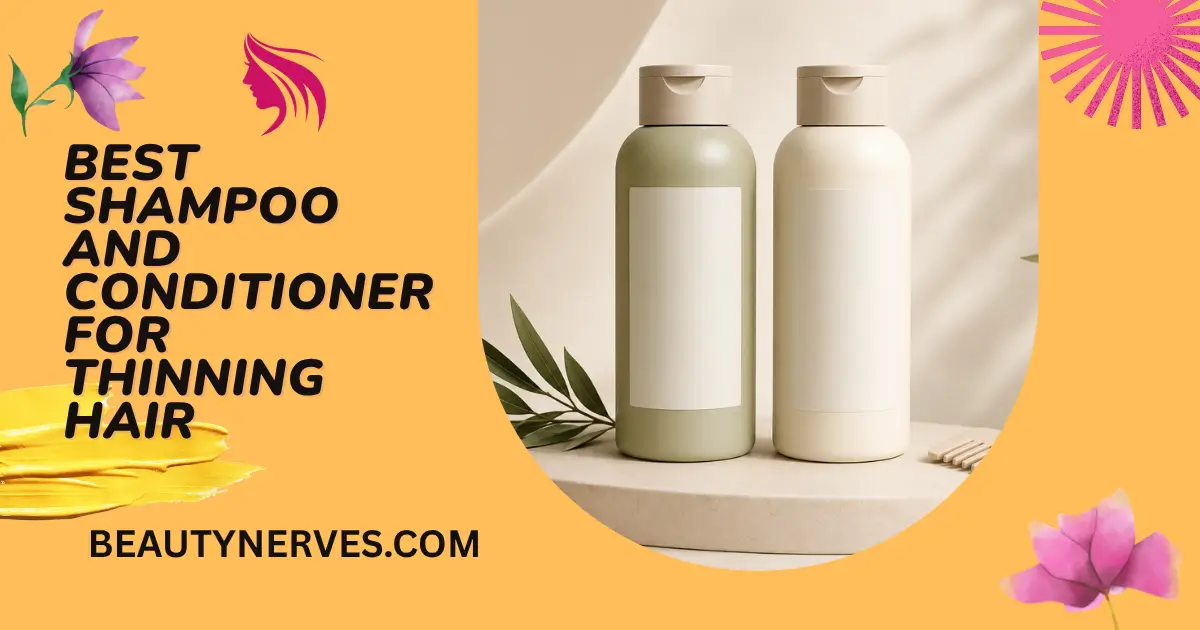
The best shampoo and conditioner for thinning hair should clean gently, add lightweight moisture, and protect weak strands from breakage. Some formulas lift oily roots.
Others soften damaged ends without making fine hair feel heavy. Your hair needs a combination that matches its real condition.
With the right products and careful daily habits, it can look fuller, feel stronger, and become easier to manage.
Best Shampoo and Conditioner Products for Thinning Hair Care
The right products can make fine, weak hair feel stronger and look fuller. These popular options cover different needs, including oily roots, dryness, damage, and breakage.
1. Native Coconut & Vanilla Set: Best Overall for Thinning Hair
This matching shampoo and conditioner offers a simple routine for people who want gentle cleansing and everyday moisture. It works with several hair textures and color-treated hair.
Why It’s Worth It
This gentle set cleans without leaving hair overly dry. The conditioner adds manageable moisture, making it a practical everyday choice for fine, damaged, color-treated, or breakage-prone hair types.
Pros
- Includes both shampoo and conditioner
- Suitable for different hair textures
- Made without sulfate-based cleansers
- Helps hair feel softer and more manageable
- Pleasant coconut and vanilla scent
- Convenient for a simple two-step routine
- Can work as a moisturizing shampoo for fine hair
- Suitable for color-treated hair
Cons
- The fragrance may be too strong for sensitive users
- It is not a medical hair-loss treatment
- The conditioner may feel rich if too much is applied
- Very oily scalps may need stronger occasional cleansing
- Results can differ based on hair texture and water quality
Key Ingredients
Native highlights coconut-derived cleansing ingredients in the shampoo. The conditioner uses moisturizing and conditioning agents to soften strands and improve slip. Its formula also includes fragrance for the coconut and vanilla scent.
Ingredient lists can change. Check the current bottle if you have allergies or a sensitive scalp.
Who It’s For
This set is a good starting point for normal, dry, fine or color-treated hair. It may suit anyone seeking a sulfate-free shampoo for thinning hair and a manageable everyday conditioner.
People with fine strands should use only a small amount of conditioner. Apply it below the ears so the roots remain light and bouncy.
How to Use
Wet your hair fully. Massage a small amount of shampoo into the scalp for about one minute. Rinse well.
Apply the conditioner from the middle of your hair to the ends. Leave it on for two to three minutes, then rinse. Use two or three times weekly, depending on scalp oil.
2. Dove Intensive Repair Serum Mask: Best for Severe Hair Damage
This is a treatment mask rather than a regular conditioner. It is designed for hair that feels rough, dry, weak or damaged from heat and chemical services.
Why It’s Worth It
This rich mask gives damaged strands extra conditioning when regular conditioner feels insufficient. It improves softness and manageability while helping dry, rough hair look smoother and less neglected afterward.
Pros
- Provides deep conditioning for damaged hair
- Helps rough strands feel softer
- Offers useful slip for easier detangling
- Suitable for a weekly damage-repair routine
- A little product may cover a large section of hair
- Useful for chemically treated or heat-styled lengths
- Can reduce the rough appearance of damaged ends
Cons
- Not a shampoo or complete cleansing routine
- May weigh down very fine hair
- Should not be applied heavily to the scalp
- Contains fragrance
- Cannot reverse permanent damage or split ends
- May leave buildup if used too frequently
Key Ingredients
The formula is promoted with amino serum and Bio-Protein Care technology. It also contains conditioning ingredients that help soften rough hair and reduce friction during detangling.
The exact ingredient list may differ by country. Read your package before using it, especially if you avoid fragrance or specific conditioning agents.
Who It’s For
It is best for dry, brittle, bleached, chemically treated or heat-damaged hair. It can also support an anti-breakage hair care routine when weak lengths snap during brushing.
People with oily, fine and thinning hair should use a very small amount. Keep the mask away from the roots.
How to Use
Shampoo and rinse your hair first. Squeeze out extra water before applying the mask.
Spread a small amount through the middle and ends. Leave it on for the time shown on the label, then rinse completely. Begin with once-weekly use.
3. Olaplex Wash and Shine Kit: Best Premium Set for Breakage-Prone Hair
This kit combines shampoo, conditioner and bonding oil. It provides cleansing, conditioning, shine and heat-styling support in one coordinated routine.
Why It’s Worth It
This three-product kit combines cleansing, conditioning and shine support in one routine. Concentrated formulas may suit damaged hair needing smoother texture, controlled frizz and protection during regular styling.
Pros
- Includes three coordinated hair products
- Suitable for straight, wavy, curly and coily hair
- Helps damaged hair feel smoother
- Supports a bond-repair shampoo and conditioner routine
- The oil adds shine without requiring a separate large bottle
- Products are concentrated, so small amounts may be enough
- Useful for hair exposed to coloring or frequent heat
Cons
- More expensive than basic drugstore sets
- Too much oil can flatten fine hair
- Frizz control does not equal hair regrowth
- Results may be less noticeable on healthy, untreated hair
- The set may include more steps than some users want
Key Ingredients
Olaplex products are known for bond-building technology. The shampoo and conditioner also contain cleansing, moisturizing and conditioning agents. The No. 7 oil includes lightweight emollients that smooth hair and add shine.
Because this is a kit, each item has a different ingredient list. Review every label if you have allergies or a sensitive scalp.
Who It’s For
This set is suitable for damaged, colored, bleached or frequently styled hair. It may be a strong choice for people searching for shampoo and conditioner for hair strength and smoother-looking ends.
It can work for fine hair, but careful portion control matters. Use less conditioner and only one or two small drops of oil.
How to Use
Massage a small amount of No. 4 shampoo into wet roots. Rinse, then apply No. 5 conditioner through the middle and ends.
After rinsing, towel-dry gently. Apply a tiny amount of No. 7 oil to the ends. Style as usual while avoiding excessive heat.
4. Garnier Fructis Pure Clean: Best for Oily, Fine and Thinning Hair
This silicone-free purifying shampoo focuses on cleansing. It may help hair feel lighter when oil, styling residue or heavy conditioners reduce volume.
Why It’s Worth It
This purifying shampoo removes oil and everyday buildup that can flatten fine strands. Its silicone-free formula leaves hair feeling cleaner, lighter and better prepared for a lightweight conditioner afterward.
Pros
- Helps remove excess oil and residue
- Silicone-free formula
- Can make flat roots feel lighter
- Affordable compared with premium products
- Useful as an occasional clarifying wash
- Good option for oily scalps
- Pairs easily with a separate lightweight conditioner
- Widely available in many markets
Cons
- Does not include a matching conditioner
- May feel drying with frequent use
- Not ideal for very dry, bleached or tightly curled hair
- Fragrance may irritate sensitive users
- Purifying does not mean hair-thickening
- May not suit daily use for all hair types
Key Ingredients
The shampoo uses cleansing agents to remove oil and residue. Garnier also markets the formula with aloe extract and vitamins. Its silicone-free design may appeal to people who dislike coated or heavy-feeling strands.
Formulas can vary by market and packaging update. Confirm the current ingredient list on your bottle.
Who It’s For
This shampoo is best for oily scalps, flat roots and fine hair affected by product buildup. It may help people who want a shampoo that makes hair look fuller by restoring cleanliness and movement.
It is less suitable for dry, fragile hair unless followed by a hydrating conditioner for thinning hair.
How to Use
Apply a small amount to thoroughly wet hair. Focus your fingertips on the scalp instead of rubbing the ends.
Rinse well and follow with a lightweight conditioner for fine hair. Use once or twice weekly if regular use makes your lengths feel dry.
5. Olaplex No. 5 Conditioner: Best for Strengthening Weak Hair
This standalone conditioner is made for people who already have a preferred shampoo. It focuses on conditioning, smoother texture and reduced breakage from everyday handling.
Why It’s Worth It
This concentrated conditioner gives damaged hair moisture, slip and smoother texture without requiring the full Olaplex routine. Small portions can help weak lengths feel easier to detangle afterward.
Pros
- Helps improve softness and manageability
- Supports damaged and chemically treated hair
- Provides slip for gentler detangling
- Suitable for several hair textures
- Concentrated formula
- Pairs with many shampoos
- Useful as a strengthening conditioner for damaged hair
- Helps control the appearance of frizz
Cons
- Premium price for one conditioner
- May feel heavy when overapplied
- Does not cleanse the hair
- Cannot repair split ends permanently
- It is not designed to treat the medical cause of thinning
- Fine hair may need only a very small portion
Key Ingredients
The conditioner features Olaplex bond-building technology along with conditioning agents, moisturizing ingredients and emollients. These ingredients help reduce roughness and make strands easier to comb.
The formula is intended to improve the condition of damaged hair. It should not be described as a treatment for genetic or medical hair loss.
Who It’s For
This product suits weak, brittle, colored or heat-damaged hair. It is also an option for someone seeking the best conditioner for fine thinning hair without buying an entire system.
People with extremely fine hair should avoid the root area. Those with thick or curly hair may use a little more on dry sections.
How to Use
After shampooing, remove extra water from your hair. Apply a small amount from the middle to the ends.
Leave it on for about three minutes or follow the label directions. Rinse thoroughly. Begin with two or three uses per week and adjust as needed.
6. Dove Intensive Repair Shampoo: Best Budget Option for Breakage
Dove Intensive Repair Shampoo is a practical choice for damaged hair at an accessible price. It cleans the scalp while supporting a softer, smoother feel.
Why It’s Worth It
This affordable shampoo cleans while targeting the rough feel of damaged hair. The large bottle offers practical value for families or frequent washers managing dryness, weakness and breakage concerns.
Pros
- Budget-friendly compared with premium systems
- Large bottle size
- Designed for damaged hair
- Helps hair feel clean and smooth
- Easy to find in stores and online
- Suitable for a simple hair care routine for thinning hair
- Pairs with Dove conditioner or serum mask
- Useful for hair weakened by frequent styling
Cons
- May feel rich on very oily or extremely fine hair
- Contains fragrance
- Does not medically treat thinning or hair loss
- Some users may need a separate clarifying shampoo
- The large bottle is less convenient for travel
- Results depend on the level and cause of damage
Key Ingredients
Dove promotes this shampoo with amino serum and Bio-Protein Care technology. It also contains cleansing and conditioning ingredients intended to clean hair while reducing a rough, stripped feeling.
Check the regional label because formulas and ingredient names may change.
Who It’s For
This shampoo is suitable for people with weak, damaged or breakage-prone hair who want an affordable option. It may be useful as a shampoo for weak and brittle hair.
It is not a specialized hair growth shampoo. Anyone experiencing sudden shedding or visible bald areas should speak with a qualified healthcare professional.
How to Use
Wet the scalp and hair. Massage shampoo gently into the roots using your fingertips, not your nails.
Rinse completely. Repeat only if your scalp is very oily or has heavy buildup. Follow with conditioner on the middle and ends.
7. OGX Argan Oil Treatment: Best for Dry, Brittle Hair
This is a finishing treatment rather than a shampoo or conditioner. It adds softness and shine to dry lengths when used in a small amount.
Why It’s Worth It
This finishing oil helps dry ends feel smoother and look shinier. Used sparingly, it can reduce friction during styling and improve the appearance of brittle, damaged lengths afterward.
Pros
- Adds shine to dull hair
- Helps dry ends feel smoother
- Suitable for several hair types
- A small amount can cover the ends
- Useful before or after styling
- Paraben-free and made without sulfate-based cleansers
- Can help improve the look of rough, brittle lengths
Cons
- Not a shampoo or conditioner
- Too much can make fine hair look greasy
- Does not add real hair density
- Should not replace a heat protectant unless the label confirms protection
- Fragrance may not suit everyone
- Applying it to the scalp can reduce root volume
Key Ingredients
The featured ingredient is argan oil. The formula also uses smoothing ingredients that help the product spread evenly and add shine.
The bottle may include silicones or similar smoothing agents, depending on the current formula. Check the label if you follow a silicone-free routine.
Who It’s For
This treatment is best for dry, frizzy, rough or brittle ends. It can complement products for weak and thinning hair when breakage makes the lengths appear sparse.
It may not suit people who want completely oil-free styling. Fine-haired users need only a tiny amount.
How to Use
Place a drop in your palm and rub your hands together. Smooth it over damp or dry ends.
Do not pour it directly onto the scalp. Add more only if needed. Using too much at once can remove volume from fine hair.
Five Helpful Product Comparisons
The products above serve different purposes, so the most popular choice is not automatically the best one for you. Compare them based on your scalp, strand condition and regular routine.
Native Set vs. Olaplex Wash and Shine Kit
Both options provide a shampoo and conditioner routine, but their prices and goals are different. Native offers straightforward cleansing and moisture. Olaplex targets people who want a more concentrated bond-repair system.
Choose Native for a simple everyday set, especially if you want sulfate-free shampoo for thinning hair. Choose Olaplex if your hair is heavily colored, bleached or regularly exposed to heat.
Native is also easier for beginners. The Olaplex kit requires more careful use because its finishing oil can flatten fine strands when overapplied.
Garnier Pure Clean vs. Dove Intensive Repair Shampoo
These shampoos address almost opposite problems. Garnier is the stronger match for oily roots and buildup. Dove is better suited to dry, rough and damaged hair.
Choose Garnier when styling residue makes your roots look flat. Pair it with a conditioner that does not weigh down fine hair.
Choose Dove when your lengths feel brittle or rough after washing. It provides a more damage-focused experience but may feel too rich for an oily scalp.
Dove Serum Mask vs. Olaplex No. 5 Conditioner
Dove’s serum mask is a deeper treatment. Olaplex No. 5 is designed as a regular conditioner, although its rich texture still requires careful portioning.
Choose the Dove mask when your hair needs an occasional intensive treatment. Use it once weekly rather than at every wash if your hair is fine.
Choose Olaplex No. 5 when you want regular conditioning and easier detangling. Both products belong on the lengths, not directly on the scalp.
Olaplex No. 5 vs. Native Conditioner
Both conditioners can soften hair, but they suit different budgets and damage levels. Native is a practical everyday choice. Olaplex No. 5 focuses more strongly on damaged, breakage-prone strands.
Native may be the better lightweight starting point for normal or mildly dry hair. Olaplex may suit bleached or chemically processed hair that tangles easily.
Neither product is guaranteed to regrow hair. Their main role is to condition existing strands and limit avoidable breakage.
OGX Argan Oil vs. Dove Serum Mask
OGX Argan Oil is a leave-on finishing product. Dove Serum Mask is a rinse-out deep treatment. They should not be used in the same way.
Choose the Dove mask when the full length feels dry and difficult to detangle. Choose OGX when mainly the ends need smoother texture and shine.
Very fine hair may not need both products during the same wash. Combining a rich mask with too much oil can leave thin strands flat.
How to Choose Shampoo and Conditioner for Thinning Hair
The right products should match your scalp and strands, not simply the words printed on the front. Think about why your hair looks or feels thinner before buying something new.
Start With Your Scalp Type
Your scalp gives you the first clue. Oily roots usually need effective cleansing. Dry or sensitive scalps often respond better to gentle formulas and less frequent washing.
A silicone-free purifying shampoo can remove residue that makes roots look flat. However, frequent clarifying may make fragile lengths feel dry.
If your scalp burns, flakes heavily or becomes painful, stop testing new cosmetic products and seek professional advice.
Look for Lightweight Conditioning
Fine hair still needs moisture. The problem is often the amount and placement of conditioner, not conditioner itself.
Choose a lightweight conditioner for fine hair and apply it below the ears. Avoid placing masks, oils and rich conditioners directly on the roots.
Start with a coin-sized portion or less. You can add more, but removing excess product usually requires another wash.
Focus on Breakage Control
Hair loss and hair breakage are different. Hair loss begins at the root. Breakage happens when the strand snaps along its length.
A shampoo for hair breakage can support gentle cleansing, while a strengthening conditioner for damaged hair can improve slip. Less friction may mean fewer broken strands during detangling.
Products cannot permanently join split ends. Trimming damaged ends and reducing heat may be just as important as changing shampoo.
Consider Your Styling Habits
Bleach, chemical treatments and frequent hot tools can weaken the strand. Bond-repair shampoo and conditioner products may be helpful when this damage is part of the problem.
Use lower heat settings whenever possible. Detangle gently with a wide-tooth comb, beginning at the ends and working upward.
Avoid tight hairstyles that repeatedly pull on the same areas. A good routine protects the hair between washes, not only inside the shower.
Simple Hair Care Routine for Thinning Hair
A consistent routine is usually more useful than buying many products at once. Keep the steps gentle, simple and easy to repeat.
Wash According to Scalp Needs
Wash when your scalp feels oily, itchy or coated. Some people need daily cleansing, while others feel comfortable washing two or three times weekly.
Apply shampoo mainly to the scalp. Let the rinsing foam clean the lengths instead of rubbing fragile ends together.
Condition the Lengths
After shampooing, squeeze out extra water. Apply conditioner from the middle to the ends and leave it on for the recommended time.
Rinse thoroughly. Add a weekly mask only if regular conditioner does not provide enough softness.
Dry and Detangle Carefully
Do not twist wet hair roughly inside a towel. Press out water gently with a soft towel or cotton shirt.
Use a wide-tooth comb on conditioned or partially dried hair. Hold the section above a knot so you do not pull hard at the root.
Use Oils Sparingly
Hair oil can improve shine, but it does not increase the number of strands on your scalp. Too much may make fine hair appear thinner.
Apply one small drop to the ends. Keep oil away from the roots when volume is your goal.
Ingredients and Claims to Understand
Hair care labels use words such as strengthening, thickening, repairing and volumizing. Knowing what these words usually mean can help you set realistic expectations.
Cleansing Agents
Cleansing ingredients remove sweat, oil and product residue. A good shampoo should clean the scalp without leaving the lengths painfully dry.
Sulfate-free does not always mean gentler, and sulfate-containing does not always mean harsh. The full formula and your scalp response matter more than one ingredient.
Proteins and Amino Acids
Proteins and amino acids may help damaged hair feel stronger or smoother for a limited time. They support the appearance and handling of existing strands.
They do not create new follicles. If hair becomes stiff after frequent protein-rich treatments, reduce use and add balanced moisture.
Oils and Conditioning Agents
Argan oil, coconut-derived ingredients and conditioning agents can improve softness and shine. They may also reduce friction during brushing.
These ingredients work best in controlled amounts. Heavy application can make fine hair look flat, oily or separated.
Bond-Building Technology
Bond-building products are intended for damaged hair, especially hair exposed to bleach, coloring or heat. They may improve strength, texture and manageability.
They are not medical treatments for pattern hair loss, thyroid conditions, nutritional deficiencies or other health-related causes of thinning.
When Shampoo Is Not Enough
Cosmetic products can improve cleanliness, volume and breakage, but they cannot solve every cause of thinning. Pay attention to changes that feel unusual for you.
Speak with a dermatologist or healthcare professional if shedding begins suddenly, continues for several months, creates bald patches or comes with scalp pain. Hormonal changes, stress, illness, medication and nutritional deficiencies can affect hair.
Do not begin supplements without advice. Too much of certain nutrients can be harmful and may even worsen shedding.
Frequently Asked Questions
Can shampoo make thinning hair grow back?
A cosmetic shampoo generally cannot regrow hair caused by genetics or a health condition. It may clean the scalp, reduce breakage and help existing strands look fuller.
How often should thinning hair be washed?
Wash according to scalp oil and comfort. An oily scalp may need frequent cleansing, while a dry scalp may need fewer washes. Gentle technique matters more than following one fixed schedule.
Should fine hair use conditioner?
Yes. Fine hair can become dry and tangled. Use a small amount of lightweight conditioner on the middle and ends instead of coating the roots.
Which product is best for oily, thinning hair?
Garnier Fructis Pure Clean may suit oily roots and buildup. Follow it with a light conditioner to prevent the ends from becoming dry.
Which option is best for damaged hair?
The Olaplex Wash and Shine Kit offers the most complete premium routine. Dove Intensive Repair Shampoo and Serum Mask provide a more affordable damage-focused combination.
Can I use a hair mask and oil together?
You can, but fine hair may feel heavy. Begin with the mask alone. Add one drop of oil only if the ends still feel dry.
Final Verdict: Choosing the Top Shampoo and Conditioner for Thinning Hair
The best shampoo and conditioner for thinning hair depends on what is making your hair look thinner. Native Coconut & Vanilla is the strongest all-around choice for a simple routine. Garnier Pure Clean suits oily, flat roots. Dove offers affordable support for damaged hair, while Olaplex is better for a premium bond-repair routine.
Remember that fuller-looking hair and new hair growth are not the same thing. Choose products that clean gently, improve moisture and reduce breakage. Use small portions, protect your hair from heat and watch how your scalp responds. If thinning continues or becomes sudden, seek professional advice instead of relying only on another bottle.
References
American Academy of Dermatology
Hair Loss: Tips for Managing Thinning Hair
WebMD
Tips to Care for Thinning Hair
Healthline
Thinning Hair: Causes, Treatments, and Hair Care
Medical News Today
Thinning Hair: Causes, Treatments, and Remedies
Harvard Health
It’s Not Too Late to Save Thinning Hair