If your hair feels dry, rough, or breaks easily, you’re not alone. Many people try different products but still struggle with dull, lifeless strands.
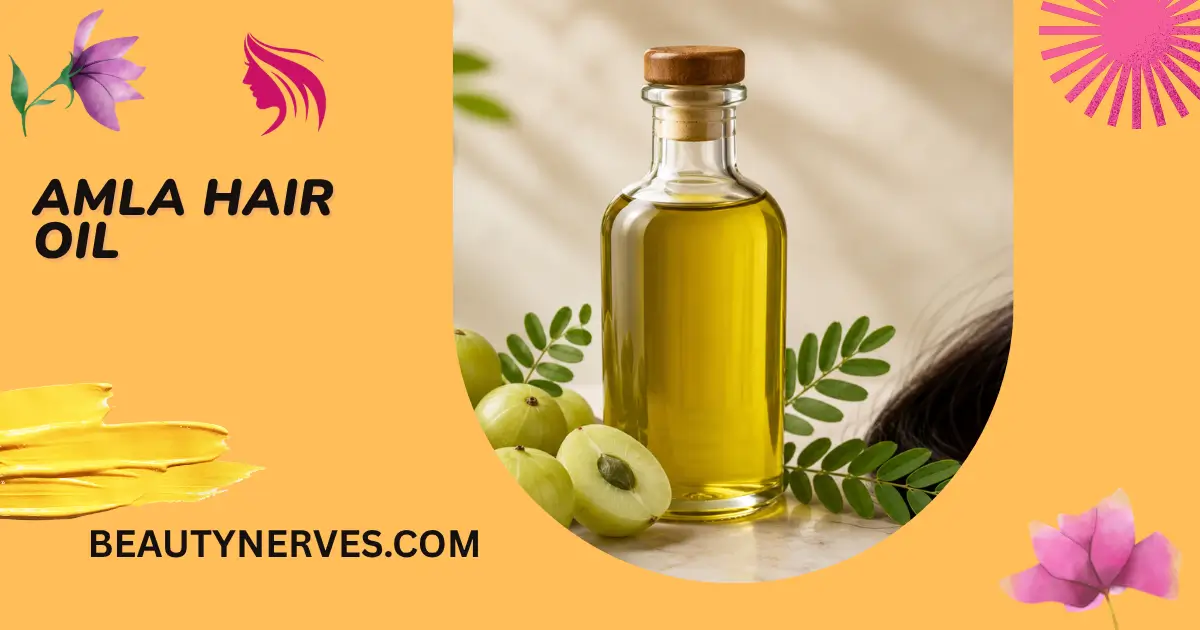
That’s why amla hair oil has stayed popular for generations. Made from Indian gooseberry, it helps nourish the scalp, soften hair, and add natural shine before shampooing.
Today, you’ll find many types of amla hair oil. Some are blended with herbal oils, while others are cold-pressed or organic. Choosing the right one can be confusing.
This article compares six of the best amla hair oils for different hair types, budgets, and needs. You’ll also learn how to use amla hair oil correctly, what results to expect, and a few common mistakes to avoid.
Disclosure: This post may contain affiliate links. If you purchase through these links, I may earn a small commission at no additional cost to you.
Read more: Best Hair Oils: A Complete Guide to Choosing the Right Oil for Every Hair Type
Table of Contents


Read more: Haircare Products Guide: Top Ones to Make Your Hair Beautiful
What Is Amla Hair Oil?
Amla oil is made from or infused with the Indian gooseberry plant.
Ayurvedic hair care uses it for scalp massage, conditioning, and shine.
Amla, Indian Gooseberry, and Phyllanthus Emblica
These names usually describe the same plant used in amla products.
You may also see Emblica officinalis on older labels.
Amla fruit contains tannins and other antioxidant compounds. However, fresh fruit and finished oil are not identical. Extraction, carrier oils, heat, storage, and formula affect the final product.
What Amla Oil Can Realistically Do
Hair oil mainly coats, lubricates, and softens the hair fiber.
That may improve smoothness and reduce friction during washing and detangling.
People use amla oil for damaged hair, hair breakage, shine, stronger hair, and thicker-looking hair. It is not the same as treating medical hair loss. Early laboratory studies involving Phyllanthus emblica are interesting, but they do not prove that every bottled oil regrows human hair.
How to Choose the Best Amla Oil for Your Hair
Do not choose only by sales numbers or bold growth claims.
Match the formula to your texture, scalp, and washing habits.
Pure Amla Oil Versus Blended Amla Hair Oil
Pure oil has a shorter, easier-to-read ingredient list. Blended oil may spread better, cost less, or feel richer.
Choose pure amla oil for fewer additives, no perfume, or DIY blends. Choose a blended Ayurvedic hair oil for a ready-made treatment with carrier oils and herbs. The best type is the one you can use and wash out comfortably.
Match the Oil to Your Hair Type
Fine hair usually needs fewer drops and shorter treatments.
Thick, coarse, curly, or coily hair may handle a richer coating.
Low-porosity hair should start light because oil may sit on its surface. High-porosity or damaged hair may need more on the ends. For the best amla hair oil for curly hair or natural black hair, seek slip without a greasy film. You can also compare amla and bhringraj oil for frizzy hair.
Read the Ingredient Label
The front label markets the product; the back shows its formula.
Find amla’s botanical name and check the first ingredients.
A product is blended when mineral oil, canola, coconut, or another carrier comes first. Check fragrance if your scalp is sensitive. For organic oil, seek recognized certification. Because formulas change, trust the current bottle label.
How to Use Amla Oil for Better Results
More oil does not always produce better results.
A small, even layer is easier to remove and limits buildup.
How to Use Amla Oil Before Shampooing
Pre-shampoo oiling helps dry lengths feel less stripped after cleansing.
It is the simplest method for beginners and most hair types.
Apply to dry or slightly damp hair. Coat the scalp only when comfortable, then cover the lengths and ends. Leave for 20 to 60 minutes. Shampoo well and use conditioner.
Massage the Scalp Gently
A scalp massage should feel comfortable, not painful.
Use your fingertips instead of scratching with your nails.
Massage for two to five minutes. Do not pull the roots or rub tangled hair. Stop if the scalp becomes itchy, red, sore, or unusually flaky. Persistent symptoms or hair loss need professional medical advice.
How Often to Apply Amla Oil to Hair
Most people can begin with one treatment weekly.
Dry, thick hair may prefer twice weekly; fine hair may need less.
Reduce the amount if hair looks flat, sticky, or coated after washing. Increase only when the ends remain rough. A gentle, consistent routine matters more than soaking the hair.
Best Amla Hair Oils for Stronger, Healthier Hair
These best-selling amla oils cover blended, cold-pressed, and organic formulas.
The right choice depends on your hair texture, scalp, budget, and tolerance for fragrance.
1. Vatika Naturals Amla Hair Oil (300 ml) :Best Overall for Dry, Dull Hair
This is a practical family-size option for regular pre-shampoo oiling.
It suits people seeking amla oil for dull and lifeless hair without choosing a tiny bottle.
Why It’s Worth It
Vatika combines amla with a lightweight herbal base that helps dry, dull hair feel smoother and look shinier without making a regular pre-shampoo routine complicated or expensive for busy families.
Pros
- The 300 ml bottle offers good value for frequent oiling
- Helps coat rough lengths and improve the look of dull hair
- Works well as an amla oil for dry hair and frizzy hair
- The product is marketed without mineral oil, parabens, or sulfates
- Suitable for straight, wavy, curly, and coily routines
Cons
- The full ingredient list may differ between countries or sellers
- Herbal fragrance may still bother scent-sensitive users
- It can weigh down very fine or oily hair when too much is applied
- It is not the best choice for shoppers who want one single ingredient
Key Ingredients
Amla extract is the main featured ingredient. Some Vatika amla products also use a blend of plant oils or Ayurvedic herbs, but the exact formula can vary by market.
Check the ingredient label on the bottle before buying, especially when avoiding fragrance or specific carrier oils. The product listing describes this version as free from mineral oil, parabens, and sulfates.
Who It’s For
Choose this oil if you need amla oil for dry hair or the best amla oil for dry damaged hair. It is a useful option for thick hair, curly hair, natural hair, and families that use oil before most wash days. Fine-haired users should start with a teaspoon or less.
How To Use
Divide dry hair into sections. Apply a small amount to the scalp, then smooth the rest over the mid-lengths and ends. Massage gently for two to three minutes. Leave it on for 20 to 60 minutes, then shampoo well. Very dry hair can use it overnight after a patch test.
Dabur Vatika naturals Olive Enriched Hair Oil 300 Ml, Packaging May Vary | Enriched Olive Scented Oil for Hair, Nourishing Hair Oil, Natural Formula Olive...
Read more: Vatika Naturals Amla Hair Oil (300 ml)
2. Dabur Amla Hair Oil (200 ml): Best for Thick, Glossy-Looking Hair
This is one of the most familiar traditional Indian hair oils.
Its rich coating texture works best as a treatment before shampooing.
Why It’s Worth It
Dabur offers a familiar, affordable formula for people who want a rich pre-wash treatment that coats dry strands, improves manageability, and leaves thick hair looking glossy and softer after shampooing.
Pros
- Affordable and widely available in many markets
- Rich texture suits thick, coarse, and high-porosity hair
- Useful for a traditional Ayurvedic hair-oiling routine
- Helps dry strands feel smoother and easier to detangle
- The 200 ml size is easy to try before buying a larger bottle
Cons
- Contains mineral oil and added fragrance
- The scent can feel strong and may stay after washing
- May be too heavy for fine, low-porosity, or oily hair
- It is not a 100% pure amla oil
- Fragrance allergens may not suit sensitive scalps
Key Ingredients
A commonly listed formula includes mineral oil, canola oil, palm oil, fragrance, and Phyllanthus emblica fruit extract. It may also contain BHT and listed fragrance components.
The official product page highlights amla fruit, essential oils, and a traditional blended formula, while retail labels provide the fuller INCI list.
Who It’s For
This oil is best for thick, coarse, dry, or textured hair and suits shoppers seeking amla oil for thick hair or a traditional Indian hair oil with amla. It may also suit people who enjoy classic Indian gooseberry oil and do not mind mineral oil or perfume. Sensitive scalps should patch test first.
How To Use
Apply one to three teaspoons, depending on hair length and density. Massage a little into the scalp and spread the rest through the lengths.
Leave it for at least 20 minutes; many users prefer about one hour. Shampoo once or twice until the hair feels clean. The brand’s official directions say to leave it on for at least 20 minutes before washing.
Dabur Amla Hair Oil – Nourishing with Pure Amla Oil For Hair Growth, 200 ml
Read more: Dabur Amla Hair Oil (200 ml)
3. SVA Amla Oil (4 oz): Best Pure Amla Oil for Scalp Massage
This small dropper bottle gives you better control than a large pour bottle.
It works well for focused scalp use, dry ends, or DIY hair-oil blends.
Why It’s Worth It
SVA gives you a simple cold-pressed amla carrier oil with a dropper, making it easy to control the amount, massage the scalp, or blend with other nourishing hair oils safely.
Pros
- Cold-pressed amla carrier oil with a short ingredient profile
- Dropper makes small applications easier and less messy
- Useful for scalp massage, dry ends, and custom oil blends
- Lightweight compared with many thick traditional blends
- Can be mixed into a conditioner or hair mask
Cons
- The 4 oz bottle can run out quickly on long, dense hair
- Pure botanical oils can have an earthy natural smell
- Costs more per ounce than many mass-market blended oils
- Results depend on consistent use and the rest of your routine
- A dropper is slower when coating a full head of thick hair
Key Ingredients
The brand identifies this product as cold-pressed amla seed oil from Phyllanthus emblica. It describes the oil as lightweight, earthy, and suitable for hair, scalp, skin, beard, and DIY blends. Another current product listing says it is free from preservatives and includes a dropper.
Who It’s For
SVA is a good pick for shoppers seeking pure amla oil, cold-pressed amla oil, or the best pure amla oil for scalp massage. It suits dry hair, curly hair, natural hair, beards, and anyone who likes mixing carrier oils with rosemary, peppermint, coconut, or argan oil.
How To Use
Place a few drops between your palms and rub them together. Massage the oil into the scalp, then smooth any extra over dry ends.
Leave it for about 30 minutes and wash with a mild shampoo. The brand also says it may be left overnight or mixed into shampoo, conditioner, or a mask.
SVA Amla Carrier Oil, Glass Bottle with Dropper, 4 Fl Oz (118 ml) | Amla Oil for Hair Care, Scalp Care, Scalp Massage, Hair Oiling, Face Care, Skin Care,...
Read more: SVA Amla Oil (4 oz)
4. PURA D’OR Organic Amla Oil (4 oz) :Best Organic Amla Oil for Hair
This cold-pressed organic amla oil for hair has a simple formula.
It also works as a fragrance-free amla oil for scalp care.
Why It’s Worth It
PURA D’OR suits shoppers who prefer a certified organic, cold-pressed, unrefined, fragrance-free option that can soften dry lengths while keeping the ingredient list simple, clear, and fully easy to understand.
Pros
- Made with 100% pure organic amla oil
- Cold-pressed, unrefined, and hexane-free
- No added synthetic fragrance or artificial color
- Useful for scalp massage and dry ends
Cons
- Usually costs more than traditional blended oils
- The small bottle may not last on long, thick hair
- Natural aroma and color may vary
- Pure oil may feel heavy on very fine hair
Key Ingredients
The listed ingredient is organic amla oil, or Phyllanthus emblica fruit oil. Current listings describe it as 100% pure, certified organic, cold-pressed, unrefined, hexane-free, and free from synthetic fragrance.
Who It’s For
Choose it for a short ingredient list, a sensitive nose, or organic amla hair oil without a complex blend. It suits dry, curly, and textured hair in small amounts.
How To Use
Warm three to eight drops between your hands. Massage them over the scalp or press them into dry ends. Leave for 30 minutes, then shampoo. Fine hair should use less.
PURA D'OR 4 Oz ORGANIC Amla Oil, 100% Pure USDA Certified Premium Grade, Cold Pressed, Unrefined, Extra Virgin, Hair Serum & Thickening Hair Product w/Pump...
Read more: PURA D’OR Organic Amla Oil (4 oz)
5. Dabur Amla Hair Oil | Indian Natural Hair Care (200 ml): Best for a Traditional Oiling Routine
This listing is aimed at people who want classic Indian hair care.
Its formula may overlap with standard Dabur 200 ml listings.
Why It’s Worth It
This traditional Dabur listing is useful for anyone building a regular Indian hair-oiling routine, especially when they want a generous coating oil before shampooing thick, coarse, dry, or textured hair.
Pros
- Fits a weekly or twice-weekly oiling routine
- Rich enough for coarse, dense, and dry hair
- Adds slip before detangling or shampooing
- Usually cheaper than small organic oils
Cons
- May duplicate another Dabur 200 ml listing
- Contains fragrance and commonly contains mineral oil
- Can leave buildup when overused
- Not suitable for shoppers wanting one ingredient
Key Ingredients
Check the back label. Many 200 ml bottles list mineral oil, canola oil, palm oil, fragrance, and amla fruit extract, plus stabilizers or fragrance components. Compare the barcode, ingredients, and bottle image before buying.
Who It’s For
It suits thick, coarse, curly, coily, or high-porosity hair and people who enjoy traditional hair oiling. Skip it when perfume or mineral oil irritates your scalp.
How To Use
Apply in sections, starting with one teaspoon. Massage lightly and coat the lengths. Cover for 20 to 60 minutes, then shampoo thoroughly. Avoid rough rubbing or pulling.
Dabur Amla Hair Oil – Nourishing with Pure Amla Oil For Hair Growth, 200 ml
Read more: Dabur Amla Hair Oil – Indian Natural Hair Care (200 ml)
6. Organic Amla Oil for Hair, 100% Pure (4 oz): Best for Simple DIY Hair Care
A generic pure oil can work well when its label is clear.
Quality depends on the seller, extraction method, and packaging.
Why It’s Worth It
A 100% pure organic amla oil is a flexible choice for scalp massage, dry ends, DIY oil blends, and shoppers who want fewer added ingredients in their haircare routine overall.
Pros
- Avoids perfume and complex blends
- Mixes easily with jojoba, coconut, or argan oil
- Useful before shampooing curly and natural hair
- Small bottle is convenient for testing
Cons
- “Pure” and “organic” claims need verification
- Some products are infused rather than pressed oils
- Quality and scent vary between sellers
- No generic oil can guarantee hair growth
Key Ingredients
Look for one ingredient, such as Phyllanthus emblica fruit oil or seed oil. Some products infuse amla into another carrier, so read the INCI list. A certification seal should name a real certifying body.
Who It’s For
It suits DIY users, fragrance-sensitive shoppers, and people wanting pure amla oil for scalp massage or dry ends. It can work for curly hair and natural black hair.
How To Use
Patch test first. Apply four to ten drops to the scalp or ends and massage gently. Leave for 30 to 60 minutes. For a lighter blend, mix it with jojoba or argan oil.
Frequently Asked Questions
These answers cover common questions about amla hair care.
They also separate realistic benefits from unsupported promises.
What Is the Best Amla Oil for Hair Growth?
Direct human evidence is not strong enough to name a best amla oil for hair growth or prove amla oil for thinning hair regrows hair.
It may support healthy-looking hair, but it is not a proven hair-loss cure.
One small study tested oral amla syrup in women with androgenic hair loss, not topical oil. Its results cannot be applied directly to these products. Seek medical care for sudden, patchy, painful, or persistent shedding.
Can Amla Oil Help Hair Breakage?
It may add slip and reduce rough handling during detangling.
That can make dry or damaged hair feel smoother and easier to manage.
Oil cannot permanently repair split ends. Combine it with conditioner, gentle detangling, less heat, regular trims, and protective styling.
Can I Use It on Curly or Natural Hair?
Yes, many curly, coily, and natural-hair routines use oil before shampooing.
Start on the ends, where dryness and friction are often strongest.
Use less on low-porosity curls and more on dense, high-porosity hair. Shampoo properly to prevent buildup that reduces bounce and definition.
Can I Leave Amla Oil Overnight?
You can when your product and scalp tolerate longer contact.
A 30-to-60-minute treatment is often enough and easier to wash.
Protect your pillow and avoid tight wrapping. Remove the oil if you notice burning, itching, headache from fragrance, or scalp discomfort. Follow the bottle directions.
Final Verdict: Which Amla Hair Oil Should You Choose?
The best amla hair oil is the one that fits your routine.
Choose by ingredients and comfort, not dramatic before-and-after promises.
Vatika is a strong overall choice for dry, dull hair. Dabur suits thick hair and traditional oiling. SVA offers controlled scalp application.
PURA D’OR is the organic pick, while verified pure oil works for DIY blends. Start small, patch test, shampoo properly, and judge results by softness, shine, manageability, and reduced breakage during handling.
References
verywellWealth.com. Amla Oil Benefits and Uses
Webmd.com. Health Benefits of Amla (Indian Gooseberry)