Many people notice the same pattern. Their hair still looks fine, but the ends feel dry, more strands stay in the brush, and growing longer hair becomes harder than it used to be.
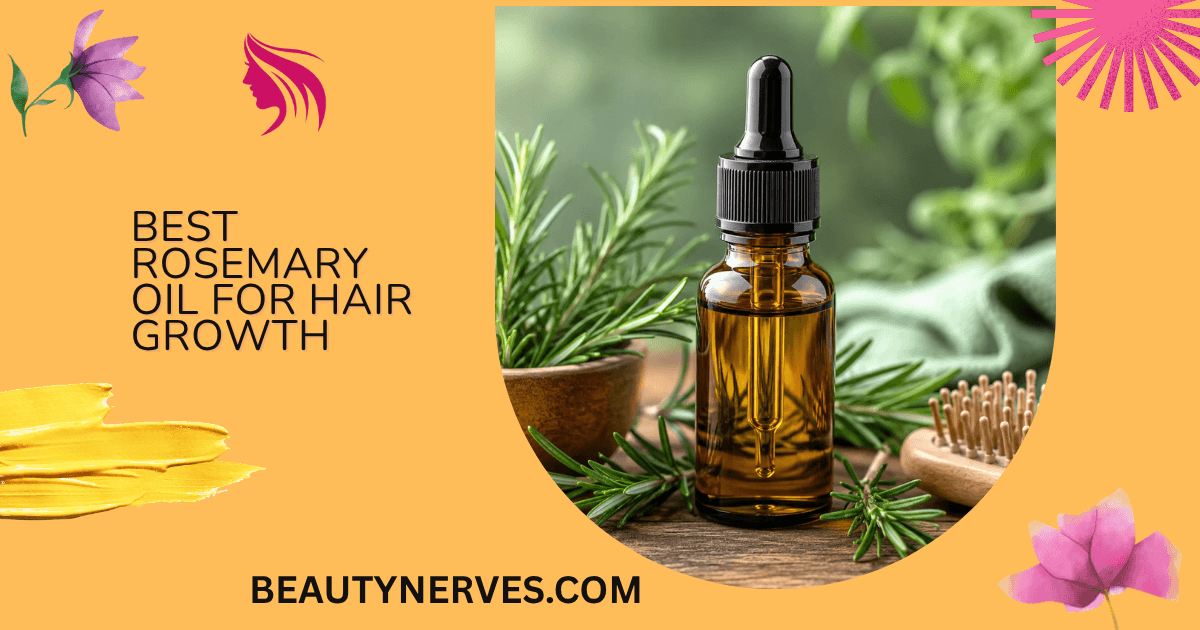
That is often when people start looking for the best rosemary oil for hair growth. A good rosemary oil can help nourish the scalp, reduce dryness, and support stronger-looking hair over time.
The right formula also depends on your hair type. Some oils feel light and absorb quickly. Others provide deeper moisture for thick, coarse, or damaged hair.
Disclosure: This post contain affiliate links. If you purchase through these links, I may earn a small commission at no additional cost to you.
Read more: Best Hair Oils: A Complete Guide to Choosing the Right Oil for Every Hair Type
To make your choice easier, here are six popular options worth considering.
Table of Contents
TL;DR:
Need a quick answer? Here are the best picks for different hair needs.
- Best Overall: Mielle Organics Rosemary & Mint Hair Oil
- Best for Edges and Braids: Bask & Lather Scalp Stimulator Hair Growth Oil
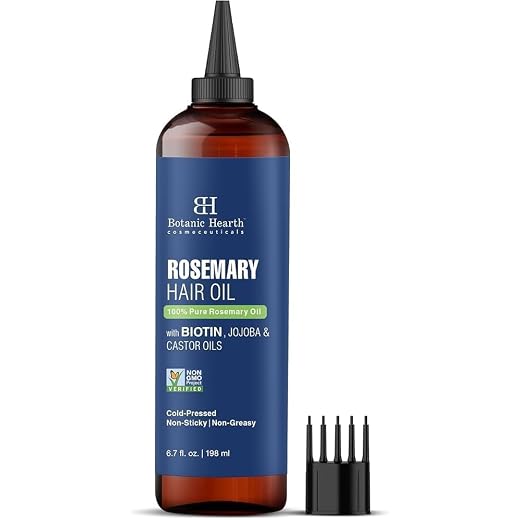
- Best for Hair Breakage: Botanic Hearth Hair Oil for Hair Growth
- Best for Thick and Dry Hair: Vital Affair Pure Rosemary Oil Blend
- Best for Damaged Hair: ArtNaturals Organic Rosemary Castor Hair Growth Tonic Oil
- Best for DIY Treatments: Handcraft Blends Rosemary Essential Oil




Read more: Haircare Products Guide: Top Ones to Make Your Hair Beautiful
Best Rosemary Oils for Hair Growth at a Glance
Each oil has a different texture and ingredient blend.
Choose based on your scalp type and hair concern.
- Best Overall: Mielle Organics Rosemary & Mint Hair Oil
- Best for Edges: Bask & Lather Scalp Stimulator Oil
- Best for Breakage: Botanic Hearth Hair Oil
- Best Multi-Oil Blend: Vital Affair Rosemary Oil
- Best for Damage: ArtNaturals Rosemary Castor Oil
- Best for DIY Use: Handcraft Blends Rosemary Essential Oil
The 6 Best Rosemary Oils for Hair Growth
These products support different hair needs.
Start with the option that matches your texture and routine.
1. Mielle Organics Rosemary & Mint Hair Oil: Best Overall
Mielle is a versatile oil for scalp care, dry strands, protective styles, and split ends.
Why It’s Worth It
It combines rosemary, biotin, mint, and nourishing oils in a ready-to-use formula. It works well for dry scalps and hair that breaks before gaining visible length.
Pros
- Ready to use
- Suitable for scalp and ends
- Contains biotin and several carrier oils
- Works well with braids and protective styles
Cons
- May feel heavy on fine hair
- Mint may irritate sensitive scalps
- Can cause buildup when overused
Key Ingredients
Rosemary oil, peppermint, biotin, castor oil, jojoba oil, coconut oil, grapeseed oil, tea tree oil, and vitamin E.
Who It’s For
Best for dry scalp, curly hair, protective styles, split ends, and brittle strands.
How to Use
Apply a few drops along scalp sections. Massage gently for two to five minutes. Leave for 30 to 60 minutes before shampooing.
Mielle Organics Rosemary & Mint Hair Oil - Strengthening Biotin Oil Infused Frizzy & Damaged Hair Care - Split Ends & Dry Scalp Treatment to Support Longer,...
Read more: Mielle Organics Rosemary & Mint Hair Oil Review
2. Bask & Lather Scalp Stimulator Oil: Best for Edges
This lightweight formula is easy to apply around edges, braids, locs, and small scalp sections.
Why It’s Worth It
The narrow nozzle gives better control. Its lighter oils make scalp application less messy than thick castor-based formulas.
Pros
- Easy targeted application
- Lightweight texture
- Suitable for braids and locs
- Simple ingredient list
Cons
- Peppermint may irritate sensitive skin
- May cause buildup with frequent use
- Cannot repair damage caused by tight hairstyles alone
Key Ingredients
Grapeseed oil, hemp seed oil, rosemary oil, and peppermint oil.
Who It’s For
Best for weak edges, braids, locs, curls, and people who prefer lightweight scalp oil.
How to Use
Apply a small amount to scalp parts and edges. Massage gently. Use once or twice weekly at first.
Bask & Lather Scalp Stimulator Hair Growth Oil, Cold Pressed Mint and Rosemary Blend with Grapeseed for Hair Growth, Organic Natural Leave in, All Hair...
Read more: Bask & Lather Scalp Stimulator Hair Growth Oil Review
3. Botanic Hearth Hair Oil: Best for Breakage
Botanic Hearth combines lightweight and rich oils for regular scalp and hair conditioning.
Why It’s Worth It
It helps soften dry strands, reduce roughness, and improve slip during detangling. The formula suits people dealing with frequent breakage.
Pros
- Contains rosemary and biotin
- Includes jojoba and castor oils
- Helps soften dry hair
- Dropper controls the amount
Cons
- May weigh down fine hair
- Can feel greasy when overused
- Does not guarantee new hair growth
Key Ingredients
Rosemary oil, biotin, jojoba oil, castor oil, grapeseed oil, sesame oil, and vitamin E.
Who It’s For
Best for brittle, frizzy, dry, relaxed, colored, or heat-styled hair.
How to Use
Apply a few drops to the scalp and ends. Leave for 30 to 60 minutes before shampooing.
Botanic Hearth Hair Oil for Hair Growth | Rosemary Oil for Hair Growth with Biotin, Castor & Jojoba | Hair Relaxers & Dry Scalp Treatment | Color Safe | All...
Read more: Botanic Hearth Hair Oil for Hair Growth Review
4. Vital Affair Rosemary Oil: Best Multi-Oil Blend
Vital Affair offers a rich formula for thick, curly, frizzy, and high-porosity hair.
Why It’s Worth It
It combines several nourishing oils in one large bottle. It works well as a full scalp and hair treatment before shampooing.
Pros
- Rich multi-oil formula
- Includes batana, castor, and jojoba oils
- Suitable for thick hair
- Comes with targeted applicators
Cons
- Too heavy for some fine hair
- May require two rounds of shampoo
- Can flatten waves when overapplied
Key Ingredients
Rosemary oil, castor oil, jojoba oil, grapeseed oil, batana oil, sesame oil, biotin, and vitamin E.
Who It’s For
Best for thick, coarse, curly, dry, frizzy, and high-porosity hair.
How to Use
Massage a small amount into the scalp and spread it through the ends. Leave for 30 minutes or overnight before washing.
Blend Of Pure Rosemary Oil For Hair Growth With Castor, Batana, Jojoba Oil-Infused With Biotin & Vitamin E-Blend of Effective Hair Oils for Hair...
Read more: VITAL AFFAIR Blend Of Pure Rosemary Oil For Hair Growth Review
5. ArtNaturals Rosemary Castor Oil: Best for Damage
This rich treatment works well for dry, rough, and chemically damaged hair.
Why It’s Worth It
Its blend of castor, coconut, olive, and rosemary oils coats dry strands and supports softer, smoother ends during weekly wash days.
Pros
- Rich conditioning formula
- Good for damaged ends
- Suitable for coarse hair
- Works well as a pre-shampoo treatment
Cons
- Can weigh down fine hair
- Coconut oil may feel stiff on some hair
- Requires thorough shampooing
Key Ingredients
Rosemary oil, castor oil, coconut oil, olive oil, and lavender extract.
Who It’s For
Best for coarse, heat-damaged, chemically treated, dry, and split-prone hair.
How to Use
Apply a small amount to the scalp and ends. Leave for 30 minutes before washing thoroughly.
ArtNaturals Organic Rosemary Castor Hair Growth Tonic Oil + Massager Hair Regrowth Set, 4 oz with Coconut & Olive Oil, Scalp Treatment for Dry, Damaged &...
Read more: ArtNaturals Organic Rosemary Castor Hair Growth Tonic Oil Review
6. Handcraft Blends Rosemary Essential Oil: Best for DIY
This is concentrated rosemary essential oil, not a ready-to-use scalp treatment.
Why It’s Worth It
It lets you choose your own carrier oil and control the final texture. One bottle can prepare several customized treatments.
Pros
- Flexible DIY option
- Can be mixed with different carrier oils
- One bottle lasts a long time
- Suitable for custom treatments
Cons
- Must be diluted
- Requires measuring
- May irritate skin when used incorrectly
- Not ideal for beginners
Key Ingredients
Pure rosemary essential oil.
It can be mixed with jojoba, grapeseed, coconut, almond, or another carrier oil.
Who It’s For
Best for experienced users who understand essential-oil dilution.
How to Use
Mix about 6 drops with 30 milliliters of carrier oil for a gentle 1 percent dilution. Patch test before scalp application.
Handcraft Blends Organic Rosemary Essential Oil – 1 Fl Oz – 100% Pure and Natural – Premium Grade Essential Oil for Diffuser and Aromatherapy
Read more: Handcraft Blends Rosemary Essential Oil Review
Five Quick Product Comparisons
These short comparisons can help you choose faster.
Mielle vs. Botanic Hearth
Choose Mielle for protective styles, split ends, and dry scalp. Choose Botanic Hearth for breakage and a simpler everyday formula.
Bask & Lather vs. Vital Affair
Choose Bask & Lather for light, targeted scalp care. Choose Vital Affair for thick, dry, and frizzy hair.
ArtNaturals vs. Handcraft Blends
ArtNaturals is ready to use. Handcraft Blends must be mixed with a carrier oil before application.
Mielle vs. ArtNaturals
Mielle is more versatile. ArtNaturals is richer and better for weekly treatments on damaged or coarse hair.
Botanic Hearth vs. Vital Affair
Botanic Hearth is better for controlled regular use. Vital Affair suits dense hair that tolerates heavier oils.
How to Choose the Right Rosemary Oil
The best formula should match your hair, not online popularity.
For Fine or Oily Hair
Choose a lightweight formula containing grapeseed or jojoba oil. Apply only a few drops.
For Thick or Dry Hair
Look for castor, coconut, olive, sesame, or batana oil. These formulas provide richer conditioning.
For Breakage
Choose an oil that softens the strands and improves slip. Botanic Hearth is a suitable option.
For Edges and Braids
Use a targeted nozzle product such as Bask & Lather. Avoid tight hairstyles that continue pulling the edges.
For DIY Treatments
Choose concentrated rosemary essential oil only if you understand safe dilution.
How to Use Rosemary Oil Safely
Correct application helps prevent irritation and buildup.
- Patch test before full use.
- Start once or twice weekly.
- Apply only a small amount.
- Massage with fingertips, not nails.
- Wash the scalp regularly.
- Never apply pure essential oil without dilution.
- Stop using the product if burning or redness appears.
Key Takeaways
- Mielle is the best overall option.
- Bask & Lather is best for edges.
- Botanic Hearth works well for breakage.
- Vital Affair suits thick and dry hair.
- ArtNaturals is best for damaged strands.
- Handcraft Blends must be diluted.
- Use small amounts to prevent buildup.
- Rosemary oil cannot treat every cause of hair loss.
Frequently Asked Questions
What Is the Best Rosemary Oil for Hair Growth?
Mielle Organics is the best overall because it can be used on the scalp, ends, and protective styles.
Can Rosemary Oil Regrow Hair?
It may support scalp care and reduce breakage, but it cannot treat every cause of hair loss. Speak with a dermatologist if thinning is sudden or severe
How Often Should I Use Rosemary Oil?
Start once or twice weekly. Use less if your scalp becomes greasy, itchy, or covered with buildup.
Can I Leave Rosemary Oil Overnight?
You can leave some premixed oils overnight if the label allows it. Start with a shorter 30-minute treatment first.
Can Rosemary Oil Help With Breakage?
Carrier oils can soften dry strands and reduce friction. This may lower breakage during brushing and styling.
How Long Does It Take to See Results?
Hair changes take several months. Track progress with monthly photos instead of checking every day.
Final Verdict: Find the Right Rosemary Oil for Your Hair
The best rosemary oil should match your scalp, texture, and routine.
Mielle Organics is the strongest all-round choice. Bask & Lather works well for edges and braids. Botanic Hearth suits breakage, while Vital Affair is better for thick, dry hair.
ArtNaturals offers rich conditioning for damaged strands. Handcraft Blends is suitable for experienced DIY users.
Start slowly. Keep your scalp clean. Use the oil consistently, but seek medical advice if hair loss becomes sudden, painful, or severe.
References
Cleveland Clinic. Rosemary Oil for Your Hair: How It Works
Healthline. Should I Use Rosemary Oil for Hair Growth