
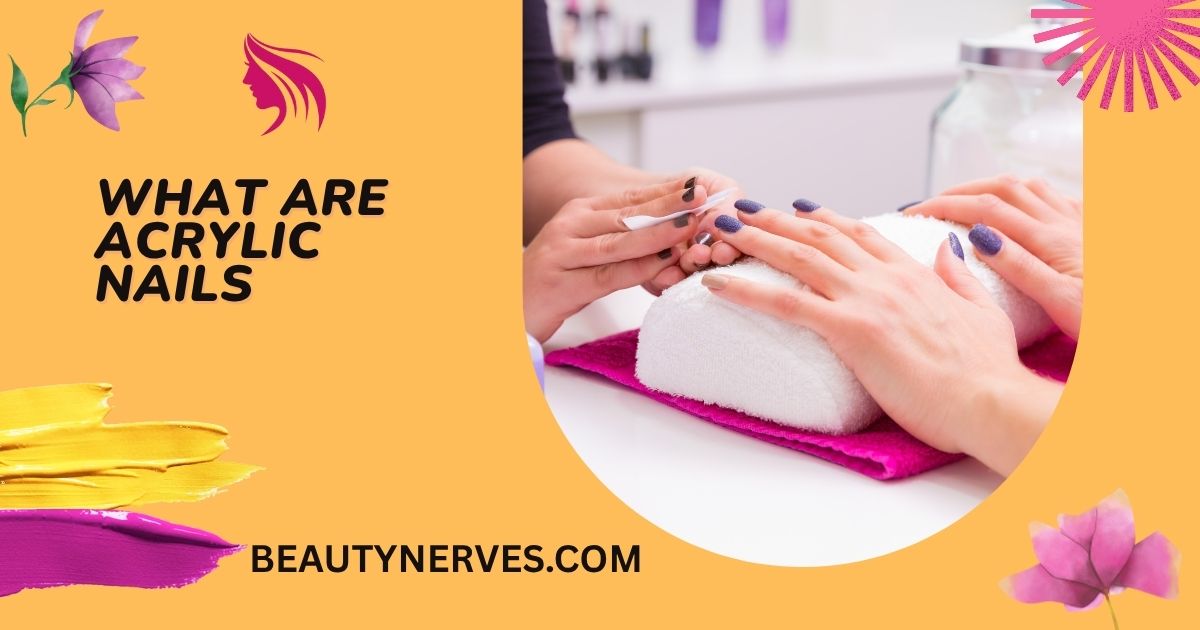
Acrylic nails are one of the most popular ways to add length, shape, and style to your manicure. They can turn short nails into elegant almond tips, bold coffin nails, or classic French manicures.
But what are acrylic nails, how do they work, and are they safe for your natural nails? If you are thinking about trying acrylics for the first time, this guide explains what you need to know before booking your appointment.
Table of Contents
What Are Acrylic Nails?
Acrylic nails are artificial nail enhancements made by mixing liquid monomer with powder polymer. The mixture is shaped over the natural nail or an extension tip and hardens in the air.
Unlike regular nail polish, acrylic creates a solid nail enhancement. It can add length, create different nail shapes, and provide a smooth base for colors and nail art.
Acrylic nails are available in many styles, from short natural-looking overlays to long, dramatic extensions. They are often chosen for their durability and creative design options.
For a wider look at manicure basics, explore our nail types guide.
How Do Acrylic Nails Work?
Acrylic nails work through a chemical reaction between liquid monomer and powder polymer. Once mixed, the product becomes workable and then hardens without needing a UV or LED lamp.
The technician uses this material to build the shape and structure of the nail. After it hardens, the nail is filed, smoothed, and finished with polish or nail art.
What Are Acrylic Nails Made Of?
Acrylic nails are made from two main ingredients:
- Liquid monomer: The liquid used to create the acrylic mixture.
- Powder polymer: The powder that combines with the liquid to form the enhancement.
The correct ratio helps create a workable product that is strong and easy to shape. Product quality and application technique both affect the finished result.
Acrylic is different from gel polish because it does not need a lamp to harden. It also differs from regular polish, which only adds color to the natural nail.
How to Do Acrylic Nails Step by Step
Acrylic nails can be applied at a salon or at home with the right supplies. However, shaping and controlling the product takes practice, so beginners may find professional application easier.
If you want to learn the process in more detail, see our guide on how to do acrylic nails.
Step 1: Prepare the Natural Nails
The technician cleans the nails and removes any old polish or product. The cuticles are gently pushed back, and the nail surface is prepared.
The natural nail should be clean and dry. Light preparation helps the acrylic adhere without unnecessary damage.
Step 2: Choose the Nail Length and Shape
You can choose short, medium, or long acrylic nails. Your nail shape should match your style and daily routine.
Popular shapes include:
- Round.
- Square.
- Squoval.
- Oval.
- Almond.
- Coffin.
- Stiletto.
Short nails are often easier to manage for typing, work, and everyday tasks. You can find more inspiration in our short nail ideas.
Step 3: Apply the Acrylic
The technician mixes the liquid and powder to create a small bead of acrylic. The bead is placed on the nail and shaped carefully.
Acrylic can be applied directly over the natural nail or over an extension tip. Nail forms can also be used to sculpt extra length.
Step 4: File and Finish
Once the acrylic hardens, the technician files the surface and edges into the desired shape.
The manicure is then finished with regular polish, gel polish, French tips, chrome, or other nail art.
What Are the Benefits of Acrylic Nails?
Acrylic nails are popular because they add length, structure, and flexibility to your manicure. They also offer many design options for everyday wear and special occasions.
Here are the main benefits to consider before choosing acrylics.
1. Acrylic Nails Add Length
Acrylic nails can make short natural nails look longer. This is useful if your nails do not grow to the length you prefer.
You can choose a subtle extension or a dramatic style depending on your comfort level.
2. Acrylic Nails Offer Many Shapes
Acrylic can be filed into different shapes, including almond, square, coffin, and stiletto.
This makes it easier to create a manicure that suits your personal style.
3. Acrylic Nails Work With Many Designs
Acrylic nails can be finished with many colors and styles. You can choose simple neutral nails or bold nail art.
Popular options include:
- French tips.
- Chrome nails.
- Glitter.
- Ombre.
- Cat-eye designs.
- Seasonal nail art.
For a classic look, explore our French nails guide.
4. Acrylic Nails Are Useful for Special Events
Many people choose acrylics for weddings, birthdays, holidays, and celebrations.
A polished manicure can complement your outfit and create a finished appearance.
For wedding inspiration, explore our wedding nails guide.
What Are the Drawbacks of Acrylic Nails?
Acrylic nails can look beautiful, but they also require maintenance and careful removal. They are not a permanent solution, and poor application can affect natural nail health.
Understanding the drawbacks helps you decide whether acrylics fit your lifestyle.
1. Acrylic Nails Need Regular Maintenance
Natural nails continue to grow under acrylic. As they grow, a gap appears near the cuticle.
A fill is usually needed every 2 to 3 weeks, depending on growth and wear.
2. Acrylic Nails Can Damage Natural Nails
Acrylic does not automatically damage natural nails. However, aggressive filing, picking, and improper removal can make nails thin or weak.
The condition of your natural nails also matters. Damaged or unhealthy nails may need attention before applying enhancements.
3. Acrylic Nails Require Careful Removal
Acrylic should never be peeled or pulled off. Forceful removal can take layers of the natural nail with it.
A proper removal process helps reduce unnecessary damage. Read our guide on how to remove acrylic nails for more information.
4. Acrylic Nails Can Cost More Over Time
Acrylics usually cost more than regular polish because they require more product, time, and skill.
You may also need to pay for fills, repairs, and removal.
How Long Do Acrylic Nails Last?
Acrylic nails generally last around 2 to 3 weeks before they need maintenance. Some may last longer, but wear time depends on nail growth, application quality, and daily activities.
Regular fills help maintain the appearance and structure of the manicure.
When Should You Get an Acrylic Fill?
A fill is usually needed when the natural nail has grown enough to create a visible gap near the cuticle.
Other signs include:
- Lifting near the cuticle.
- Cracks or chips.
- Uneven growth.
- Changes in the nail’s balance.
- Discomfort.
Do not wait until the acrylic is heavily grown out or lifting.
For more details, read how long acrylic nails last.
Acrylic Nails vs. Gel Nails
Acrylic nails use liquid and powder, while gel nails use gel-based products that generally cure under a UV or LED lamp. Both can create attractive manicures.
The best choice depends on your preferred length, finish, maintenance routine, and the technician’s skills.
| Feature | Acrylic Nails | Gel Nails |
|---|---|---|
| Main material | Liquid monomer and powder polymer | Gel-based product |
| Hardening method | Air-hardens through a chemical reaction | Usually UV or LED curing |
| Adds length | Yes | Depends on the gel system |
| Design options | Many | Many |
| Maintenance | Regular fills or removal | Depends on the system |
| Removal | Usually requires soaking and filing | Depends on the product |
If you want to compare gel options, read our guide to gel nails.
Acrylic Nails vs. Hard Gel Nails
Hard gel is a nail enhancement product that cures under a UV or LED lamp. Acrylic hardens through its chemical reaction with air.
Both can add length and structure. Your choice depends on the result you want and the application method you prefer.
Learn more about hard gel nails.
Acrylic Nails vs. Regular Nail Polish
Regular nail polish is a colored coating applied to the natural nail. Acrylic creates an enhancement that can add length and structure.
If you only want color, regular polish may be enough. If you want extensions, acrylic is a more suitable option.
How to Care for Acrylic Nails
Proper aftercare helps your manicure look better and reduces the risk of damage. Simple daily habits can also protect the natural nail underneath.
Keep Your Nails Clean and Dry
Clean under your nails gently and avoid trapping moisture under lifted acrylic.
If you notice unusual discoloration, pain, swelling, or odor, have the nail checked.
Avoid Using Your Nails as Tools
Do not use acrylic nails to open cans, scrape surfaces, or pry things open.
These actions can cause cracks, lifting, or stress on the natural nail.
Moisturize Your Cuticles
Apply cuticle oil or hand cream regularly to keep the surrounding skin comfortable.
This is especially helpful if your hands become dry.
Wear Gloves for Household Chores
Wear gloves when washing dishes or using cleaning products.
Long exposure to water and chemicals can affect your manicure and dry out the skin.
Do Not Pick at Lifting Acrylic
If acrylic begins to lift, do not pull it off. Arrange a repair or proper removal instead.
Popular Acrylic Nail Designs
Acrylic nails are a great base for many manicure styles. You can choose a design that matches your personality, outfit, or occasion.
Here are some popular ideas to try.
French Tip Acrylic Nails
French tips combine a natural-looking base with a contrasting tip. White tips are classic, but colorful versions are also popular.
Try red, blue, pink, purple, or green French tips for a different look.
Explore these red French tip nails and blue French tip nails for inspiration.
Chrome Acrylic Nails
Chrome nails have a reflective, metallic finish. They can look soft and elegant or bold and futuristic.
Popular shades include pink, black, red, blue, and white.
You can explore more ideas in our chrome nails guide.
Neutral Acrylic Nails
Neutral nails are a good choice if you prefer a simple manicure. Beige, nude, cream, taupe, and soft pink shades are easy to wear.
They work well for everyday looks, professional settings, and special occasions.
See our guide to neutral nail colors.
Seasonal Acrylic Nail Designs
Seasonal acrylic nails let you match your manicure to holidays and celebrations.
Popular themes include Easter, Halloween, Christmas, and birthday nails.
You can explore our seasonal festive nails guide for more ideas.
Are Acrylic Nails Safe for Natural Nails?
Acrylic nails can be safe when applied, maintained, and removed properly. The biggest risks usually come from over-filing, improper removal, lifting, or poor hygiene.
Your natural nail should be healthy enough for the service. If you have pain, swelling, or signs of infection, get the nail checked before applying enhancements.
Tips for Protecting Natural Nails
- Choose a skilled nail technician.
- Avoid aggressive filing.
- Never peel off acrylic.
- Repair lifting promptly.
- Keep tools clean.
- Take breaks if your nails become weak or sensitive.
- Do not cover an active nail infection with acrylic.
For general nail health information, the American Academy of Dermatology nail care guide is a useful external resource.
Common Acrylic Nail Mistakes to Avoid
A few mistakes can shorten the life of your manicure or harm your natural nails. Knowing what to avoid makes acrylic maintenance easier.
Mistake 1: Choosing Too Much Length
Very long nails can be difficult to manage. Start with a length that fits your daily routine.
Mistake 2: Ignoring Lifting
Lifting should be repaired or removed. Do not ignore it or glue down heavily lifted product.
Mistake 3: Peeling Off Acrylic
Peeling can remove layers of the natural nail. Always remove acrylic properly.
Mistake 4: Skipping Maintenance
Waiting too long between fills can leave the acrylic grown out and more likely to snag or break.
Mistake 5: Using Unclean Tools
Poor hygiene can increase the risk of nail problems. Choose a salon that follows good sanitation practices.
Acrylic Nails Pros and Cons
Acrylic nails offer many styling benefits, but they also need care and maintenance. This quick comparison can help you decide if they are right for you.
| Pros | Cons |
|---|---|
| Adds length | Needs regular maintenance |
| Many shapes available | Can cost more over time |
| Works with many designs | Improper removal can damage nails |
| Suitable for special occasions | Long nails may affect daily tasks |
| Can create a strong enhancement | Requires careful aftercare |
Final Thoughts on Acrylic Nails
Acrylic nails are a popular choice for adding length, structure, and creative style to your manicure. They work with many shapes, colors, and designs.
With proper application, regular maintenance, and safe removal, you can enjoy acrylic nails while reducing unnecessary damage to your natural nails.
If you are trying acrylics for the first time, start with a comfortable length and choose a skilled technician. A little care can make your manicure look beautiful and feel comfortable.
Frequently Asked Questions
What are acrylic nails made of?
Acrylic nails are made from liquid monomer and powder polymer. When combined, they form a workable material that hardens in the air and creates a nail enhancement.
Are acrylic nails better than gel nails?
Neither is always better. Acrylic is useful for extensions and sculpted shapes, while gel systems offer different finishes and application methods. The best choice depends on your nail goals.
Can acrylic nails damage your natural nails?
Yes, acrylic nails can contribute to damage if the natural nail is over-filed or the product is removed improperly. Proper application, maintenance, and removal help reduce the risk.
Should you get acrylic nails if your nails are short?
Yes, acrylic nails can be applied to short natural nails if they are healthy enough for the service. A technician can recommend a suitable length and shape.
Why do acrylic nails lift?
Acrylic nails may lift because of natural nail growth, poor preparation, moisture, trauma, or application problems. Lifting should be repaired or removed rather than ignored.
When should you remove acrylic nails?
Acrylic nails should be removed when they are significantly grown out, lifting, cracked, uncomfortable, or when you want a break. Proper removal helps avoid damage to the natural nail.