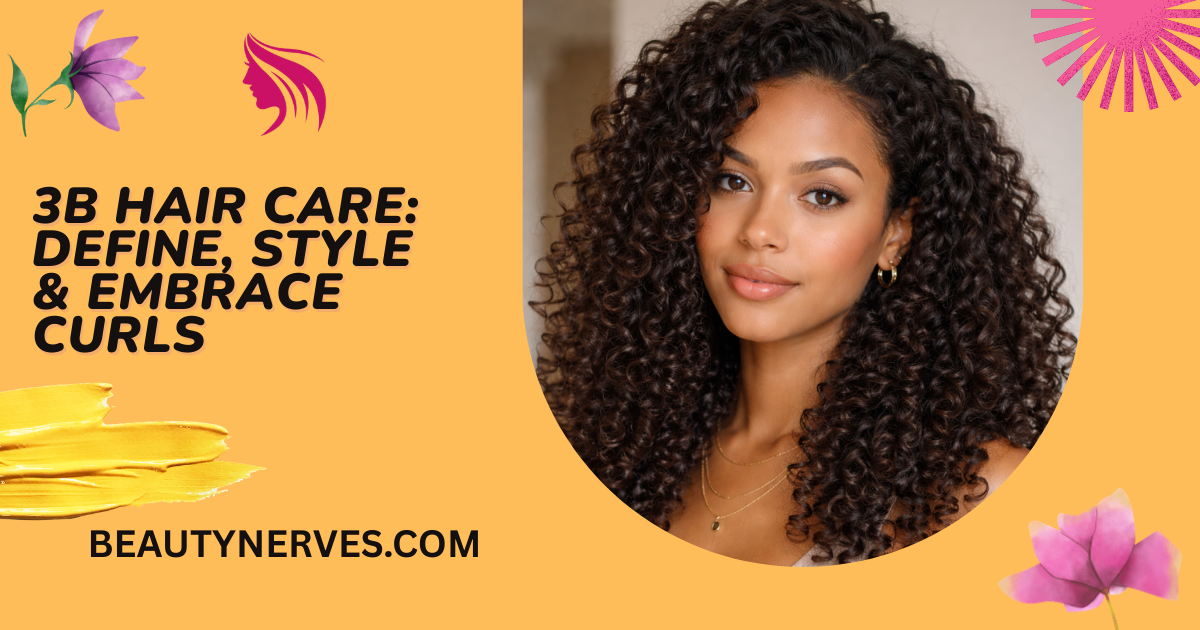
If you have 3B hair, you already know something important.
A great curl day and a frustrating curl day can feel like two completely different heads of hair.
On a good day, your curls look springy and defined. They bounce when you move. They hold their shape. They look soft and full.
On a difficult day, those same curls may turn dry, puffy, rough, or shapeless by mid-afternoon.
That is why understanding your 3B hair type matters.
The goal is not to force curls into perfection. The goal is to understand how your hair behaves. Once you understand that, your routine becomes much easier.
Everything here is based on dermatology guidance, hair-fibre research, and real-world curl routine observations.
Read More: Hair Types and Textures Guide: Unlock the Secret to Beautiful Hair
Table of Contents
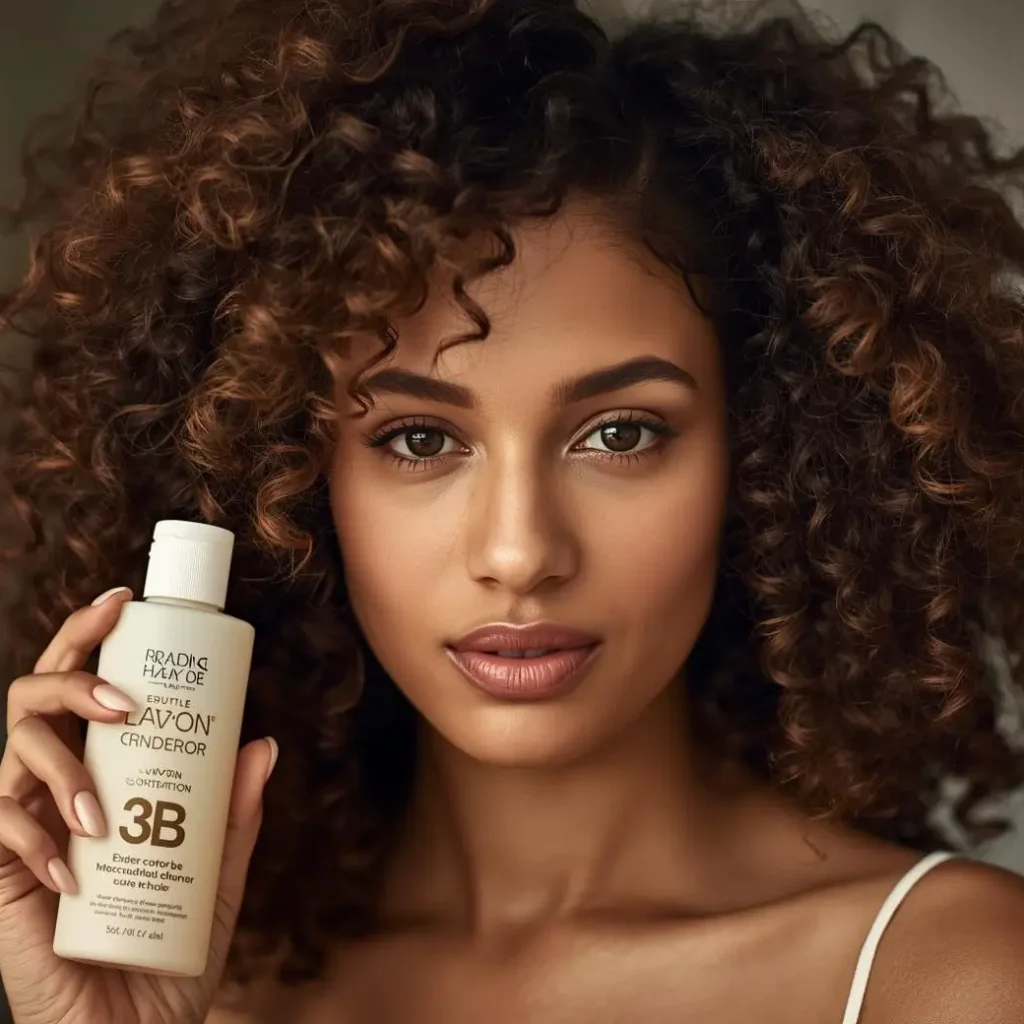
Transforming Her Hair with 3B Curls
She struggled with maintaining her curly hair until I introduced her to the 3B Hair products. After using the nourishing creams and curl-enhancing gels, her curls became more defined and manageable. She couldn’t believe the difference—a boost in confidence and a great hair day every day!
Read More: Hair Care Guide: Strengthen Your Hair
Medical Review and Editorial Standards
Reviewed by dermatology guidance from the American Academy of Dermatology (AAD).
The AAD curly-hair patient guide was written by Brooke Schleehauf and reviewed by board-certified dermatologists including:
- Erin Ducharme, MD, FAAD
- Matthew Elias, MD, FAAD
- Laurel Geraghty, MD, FAAD
- William Warren Kwan, MD, FAAD
- Shari Lipner, MD, PhD, FAAD
- Bassel Mahmoud, MD, FAAD
- Sanna Ronkainen, MD, FAAD
Their guidance forms the clinical foundation of many recommendations in this article.
AAD dermatologist Deeptej Singh, MD, FAAD also emphasises that a consistent hair-care routine helps prevent damage and maintain healthier hair fibres.
First-Hand Testing and Observation Notes
Parts of this guide are also informed by wash-day routine testing across different 3B hair patterns, including:
- fine 3B curls
- medium-density 3B curls
- thick and coarse 3B curls
- mixed 3B–3C patterns
During these comparisons, several patterns appeared repeatedly:
- fine 3B curls often respond better to lighter leave-ins and stronger gels
- thick 3B curls usually need more water and richer conditioning
- mixed 3B–3C curls often improve when product amount changes by section
These patterns are also widely recognised by curl stylists.
What Is 3B Hair?
The 3B hair type sits in the middle of the curly hair spectrum.
It falls between 3A and 3C curls.
3B curls usually form springy ringlets or spirals. They are tighter than 3A curls but looser than 3C curls.
In most people, 3B curls begin forming close to the root. They also create noticeable natural volume.
Because of their spiral shape, 3B curls often need a careful balance of moisture and hold.
Too little moisture can cause dryness.
Too little hold can cause frizz and loss of shape.
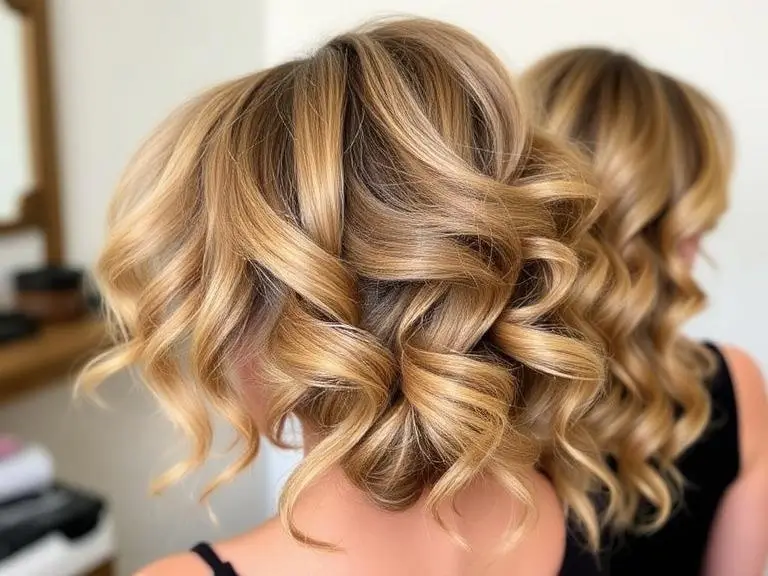
What Does 3B Hair Look Like?
If you search “what does 3B hair look like”, you will usually notice these signs:
- springy ringlets instead of loose waves
- visible bounce and shrinkage after drying
- medium to high natural volume
- curls that expand in humidity
- frizz when hair lacks hold or moisture
Curl stylists often describe 3B curls as the balance zone of curly hair.
They are not loose enough to tolerate random product choices.
They are also not tight enough to thrive under heavy butters.
That is why the best 3B hair products are chosen based on:
- strand thickness
- hair density
- porosity
- climate
Not just popularity.
Key Signs of 3B Hair at a Glance
| Feature | What You Usually Notice in 3B Hair |
|---|---|
| Curl shape | Springy ringlets or spirals |
| Volume | Medium to high natural volume |
| Frizz tendency | Can frizz easily without hold |
| Shrinkage | Noticeable after drying |
| Texture needs | Balanced moisture and definition |
Why 3B Hair Gets Dry and Frizzy Easily
Curly hair behaves differently from straight hair.
Hair fibres are made mostly of keratin. The outer layer is called the cuticle.
When the cuticle lies flat, hair looks smooth and shiny.
When it lifts or becomes rough, hair tangles more easily and frizz appears.
Conditioners help by smoothing the cuticle and reducing friction.
Research on hair conditioning shows that conditioning agents reduce drag between fibres. That makes detangling easier and improves softness.
Curly hair also tends to be naturally drier.
Because the hair grows in spirals, natural scalp oils struggle to travel down the fibre. This leaves mid-lengths and ends drier.
This is why many people with 3B hair notice:
- dry ends
- frizz in humidity
- tangling during detangling
Moisture helps. But moisture alone is not enough.
Most 3B curls also need a hold product to lock in the curl pattern while drying.
3A vs 3B vs 3C Hair
Many people sit between curl types. It is normal to have different curl patterns on the same head.
For example, looser curls around the hairline and tighter curls underneath.
Here is a simple comparison.
| Hair Type | Typical Look | Common Challenge | Works Best With |
| 3A | Loose S-shaped curls | Flattening | Lightweight products |
| 3B | Springy ringlets | Frizz and dryness | Balanced moisture and hold |
| 3C | Tight corkscrews | Shrinkage | Rich moisture and careful sectioning |
People with 3A–3B hair often need lighter products near the crown.
People with 3B–3C hair usually need richer moisture in tighter sections.
How to Care for 3B Hair
Most successful 3B routines rely on five simple habits.
- cleanse when needed
- condition thoroughly
- use the right leave-in
- add enough hold
- reduce friction between washes
Let’s look at each one.
1. Cleanse Enough
A common curly-hair myth is that washing less always improves curls.
Dermatologists disagree.
The American Academy of Dermatology advises washing hair based on how oily or dirty it becomes.
Product buildup is one of the most common causes of dull curls.
Signs you need to wash:
- roots feel coated
- curls lose bounce
- scalp feels itchy
- products stop absorbing
In routine testing across different curl patterns, buildup often appeared after 3–7 days depending on product use.
If heavy stylers are used regularly, clarifying every 2–4 weeks can help reset the hair.
2. Condition the Full Length
AAD guidance recommends applying conditioner along the full hair length for curly hair.
Conditioners help by:
- reducing friction
- improving detangling
- smoothing the cuticle
In real salon observations, the right conditioner usually shows three clear signs:
- detangling becomes easier within minutes
- curls begin clumping together
- hair feels flexible, not coated
If hair still feels rough after rinsing, the conditioner is often too light.
If hair feels waxy or limp, the conditioner may be too heavy.
3. Choose Leave-Ins by Strand Thickness
Leave-in conditioners help with:
- detangling
- frizz control
- moisture retention
But the weight of the leave-in matters.
Typical pattern from curl routine comparisons:
- Fine 3B hair: Works best with spray leave-ins or lightweight milks.
- Medium 3B hair: Often responds well to cream leave-ins.
- Thick 3B hair: Usually benefits from richer curl creams.
A good moisturizer for 3B hair should leave curls flexible and springy. Not greasy.
4. Use Enough Hold
This is one of the most common mistakes.
Many curls look frizzy because they were never properly set.
A hold product helps curls maintain shape as they dry.
Choose based on the result you want.
- Curl cream: Best for softness and grouping.
- Gel: Best for strong definition and frizz control.
- Mousse: Best for lighter hold and volume.
In real routine comparisons, weak gels produced early frizz in under two hours in humid environments.
Stronger gels created a cast that protected curl shape until the hair was fully dry.
5. Detangle and Dry Gently
Dermatologists recommend detangling curly hair while wet.
Dry brushing often increases breakage.
Better habits include:
- detangle with conditioner
- use a wide-tooth comb or fingers
- blot with a towel instead of rubbing
- protect hair at night
Simple protection methods include:
- satin pillowcases
- silk bonnets
- loose pineapple styles
These habits often improve day-two curls more than adding new products.
Signs Your Products Are Too Heavy
Heavy products can flatten curls.
Common signs include:
- greasy roots
- stretched curls
- slow drying time
- stringy ringlets
This is common when fine 3B hair uses thick butters or too many creams.
Signs Your Gel Is Too Weak
Weak stylers show a different pattern.
Typical signs include:
- curls look perfect while wet
- frizz appears during drying
- humidity ruins definition
- day-two curls collapse quickly
In these cases, stronger hold usually works better than more cream.
Moisture vs Protein
Hair is made of keratin. Protein treatments can temporarily reinforce damaged fibres.
But balance matters.
Signs you need more moisture:
- rough texture
- stiffness
- snapping strands
Signs you may benefit from protein:
- overly soft curls
- loss of structure
- limp ringlets
Many curl stylists recommend alternating moisture-focused routines with occasional protein support.
How Humidity Affects 3B Hair
Humidity disrupts temporary bonds in hair fibres.
This causes curls to expand.
A typical high-humidity routine includes:
- lighter cream layers
- stronger gel
- smaller styling sections
- avoiding touching hair while drying
In dry climates, softer routines often work fine.
Real Routine Examples
These examples reflect common curl behaviour patterns.
Fine 3B hair
Clients often report frizz when routines rely only on cream.
A better routine uses:
- lightweight leave-in
- medium-hold gel
Result: faster drying and stronger definition.
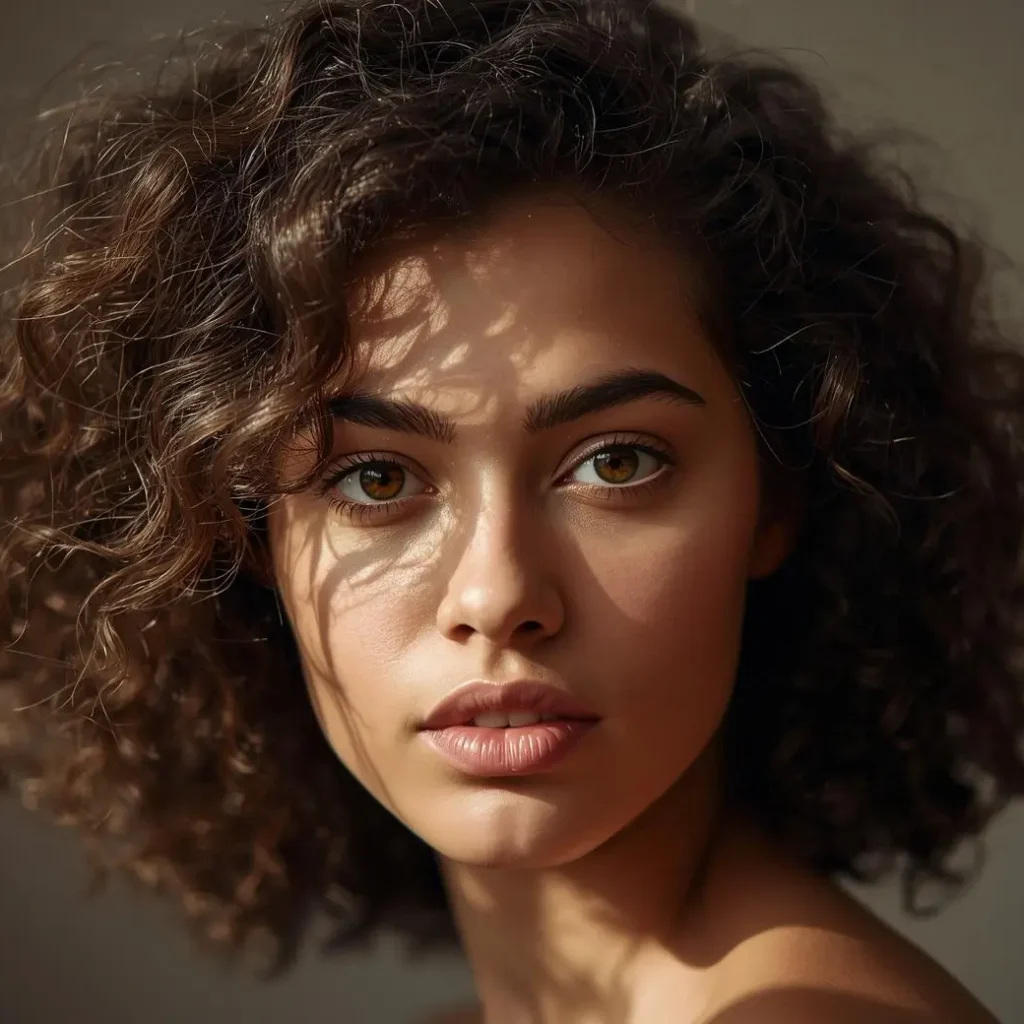
Thick 3B hair
Salon observations often show dryness when routines skip richer conditioners.
A stronger routine uses:
- moisturizing conditioner
- cream leave-in
- gel seal
Result: better curl grouping and softer ends.
Mixed 3B–3C hair
Curl stylists often recommend adjusting product amount by section.
Result: balanced curl definition across the head.
How to Style 3B Hair
The most reliable styles include:
- Wash-and-go: Apply leave-in and gel to soaking-wet hair.
- Twist-outs: Useful for more stretch and shape control.
- Diffused volume: Adds root lift and faster drying.
- Soft updos: Great when curls are past peak definition.
Best Styling Products for 3B Hair Goals
| Styling Goal | Best Product Choice | Expected Result |
|---|---|---|
| Soft, touchable curls | Curl cream | Smooth and flexible curls |
| Strong definition | Gel | Better hold and less frizz |
| More volume | Mousse | Lightweight bounce |
| Longer-lasting shape | Leave-in + gel | Defined curls with better durability |
3B Hair Men Routine
3B curly hair men usually benefit from simple routines.
Basic routine:
- gentle shampoo
- conditioner every wash
- leave-in or curl cream
- light gel for frizz control
Curl-friendly haircuts also help.
Layers prevent bulky sides and flat tops.
Common 3B Hair Mistakes
Many curl problems come from routine mistakes.
Common ones include:
- relying on oil instead of conditioner
- skipping gel
- rough dry detangling
- under-washing
- copying routines that do not match your hair type
When to See a Dermatologist
The American Academy of Dermatology recommends seeing a board-certified dermatologist if you notice:
- sudden hair loss
- scalp irritation
- heavy shedding
- persistent flakes
Sometimes hair problems are actually scalp conditions.
Embrace Your Curls with Confidence
3B curls can look incredible.
They have bounce, movement, and natural volume.
But they usually do not thrive on random routines.
Once you understand your hair, the routine becomes much easier.
Instead of asking “what is the best product?”
You start asking better questions.
Do I need:
- more slip
- more hold
- lighter moisture
- better sectioning
Those answers usually lead to better curls.
FAQs
What products are best for 3B hair?
To maintain moisture and define curls, use a sulfate-free shampoo, a deep conditioner, and a curl cream or gel designed for curly hair.
How can I reduce frizz in my 3B hair?
Use a leave-in conditioner or anti-frizz serum and avoid towel-drying your hair. Try diffusing your hair or air-drying to minimize frizz.
Can I straighten my 3B hair?
Yes, but always use a heat protectant spray to avoid damage. Straightening 3B hair can reduce curl definition, so it’s best done occasionally.
References
- American Academy of Dermatology — Curly Hair Care Tips
- American Academy of Dermatology — Hair Care Guidance
- Cloete et al., The What, Why and How of Curly Hair, 2019
- Fernandes et al., Hair Care Physicochemistry, 2023
- Dias, Hair Cosmetics: An Overview, 2015
- Punyani et al., Impact of Shampoo Frequency, 2021